
The link between inspiration and art rarely enjoys a high relief. As observers, we’re simply accustomed to enjoying the fruits of their union. Whether it’s a musical filled with the music and lyrics of Sondheim, a Picasso painting, one of Martha Graham's masterworks of choreography or Percival Everett’s latest novel, we rarely ask what provoked these exercises in stark genius.
That connection is the centerpiece of one of the two new exhibitions at the Elmhurst Art Museum. Both are rooted in the art of photography and the vision of a single artist. Living with Modernism: Kelli Connell celebrates two sides of a luminously creative mind whose artistic tool is the camera.
The much larger of the two installations, Pictures for Charis, models itself after a trailblazing project by one of the world’s great modernist photographers, Edward Weston. Weston was an immensely gifted photographer at his creative heights in the late 1940s; he was one of the pioneers who championed and explored new ways to highlight the aesthetic capabilities of a mechanical device used to take visual images. He and his cohorts delved into Its abilities to vary focus, create abstraction, alter lighting and exploit the use of angles as they looked for ways to “capture modern life with clarity.”
A project he began in 1935 with the woman who would become his second wife, writer Charis Wilson, would extend that goal by also using photography to pierce the personal. Their venture would last a decade, entail their collaboration and include the serene beauty of California landscapes, both as backdrop and primary subject. They also harnessed the uniqueness of photography to explore the mysteries of “relationship dynamics," a topic that has long intrigued Chicago photographer and educator Kelli Connell.
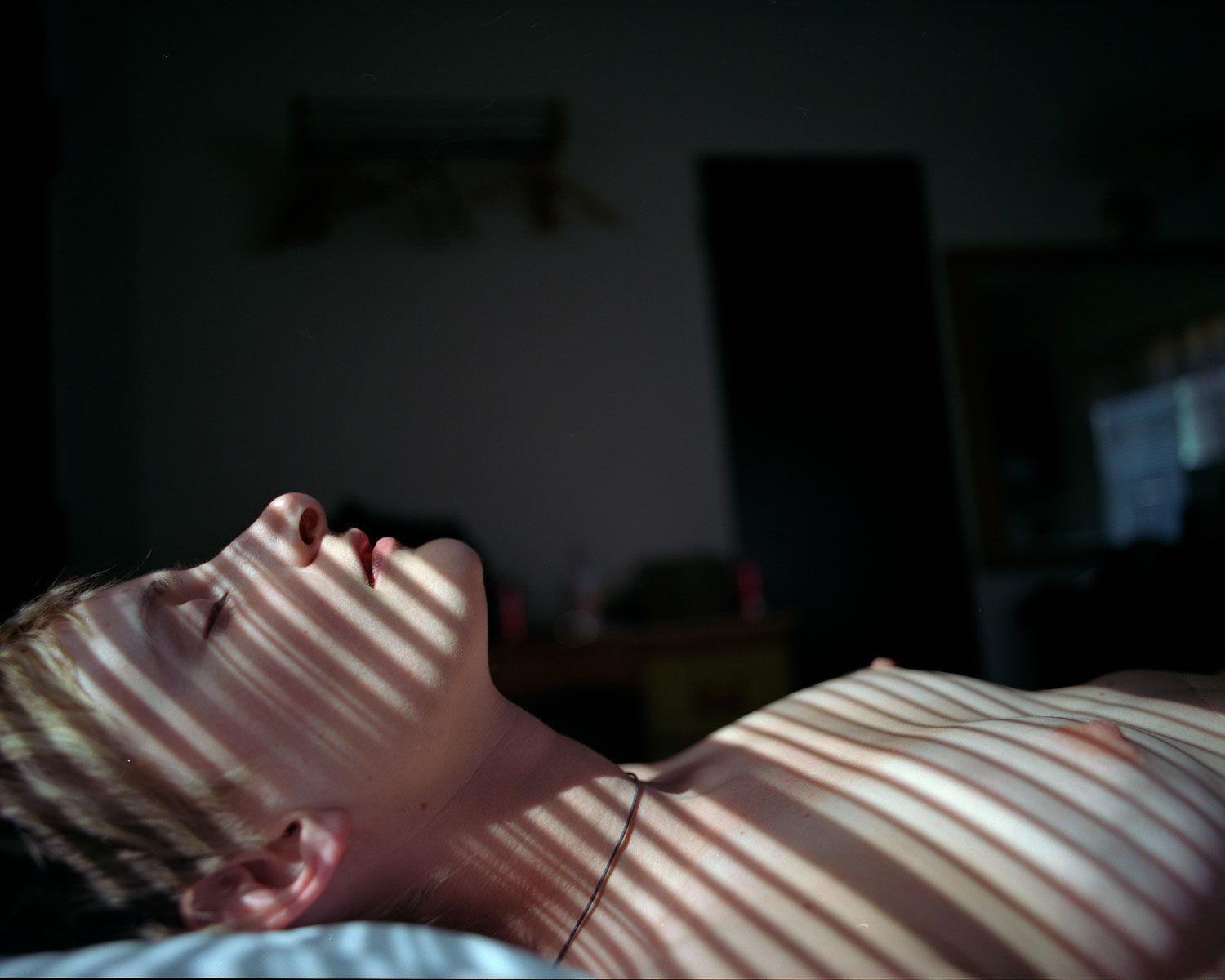
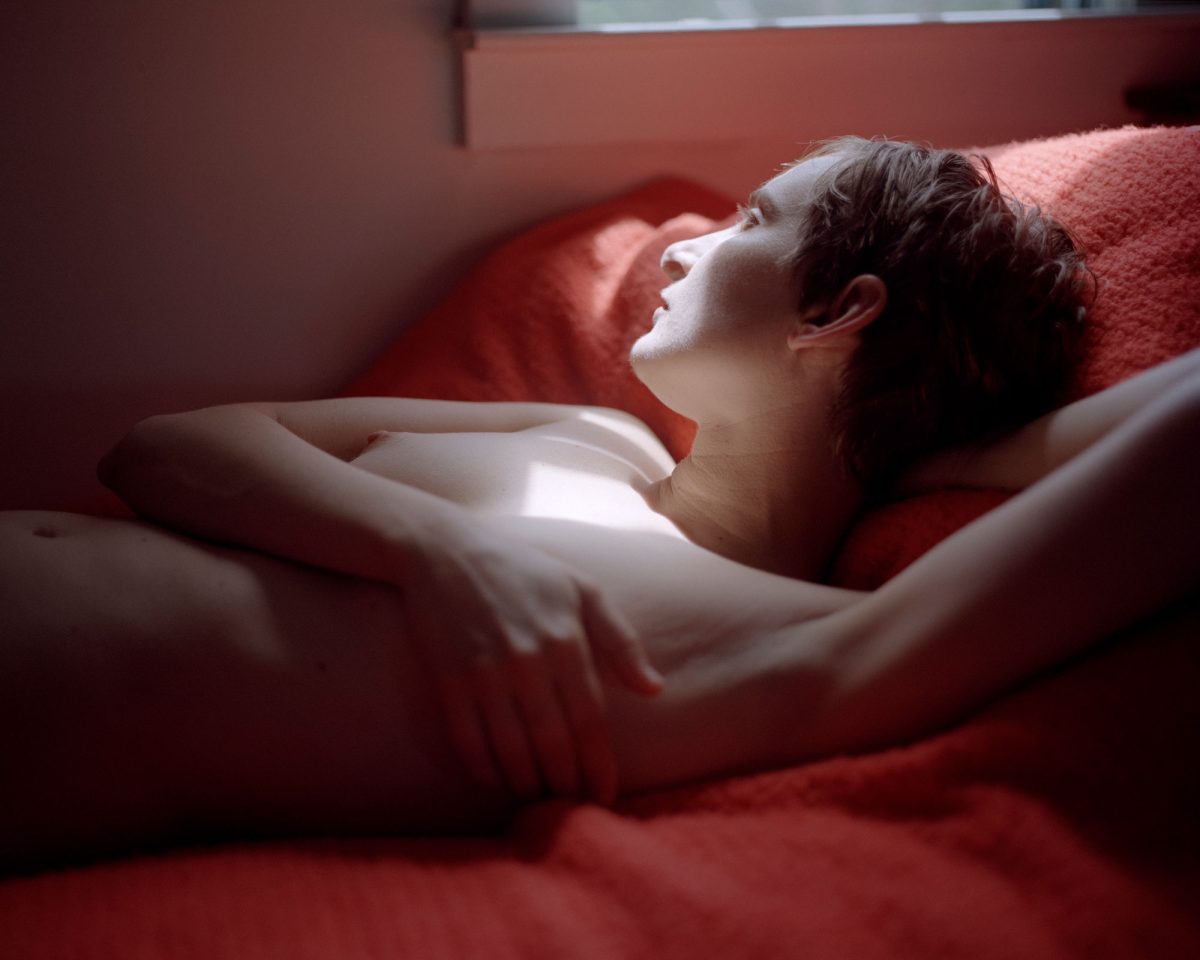
Weston used Wilson as the model, sometimes in nature and sometimes nude; at its end their endeavor was an overwhelming success and rendered stunning masterworks in modern photography. Pictures for Charis is the end-product of Connell and her then-partner Betsy Odom’s emulation of Weston and Charis Wilson’s achievement. Often visiting the same locales and echoing some of the poses, the images that Connell and Odom produced 80 years later reverberate with a different slant. They are more contemporary and more imposing in scale, and they enlist the vibrancy of color as well as black and white. The psychological journeys they chronicle are also different because they’re reflected through a “queer, feminist lens.”
The sheer aesthetic might of Connell’s photographs would make them resplendent on their own. Softened by a transcendental quiet, each one reads like an open door inviting your eyes to discover new ways to see and appreciate nature and the ways we reference being human.
Pictures for Charis also includes a generous and invaluable bonus. While Connell’s superb images adorn gallery walls, many of the original works that inspired them are displayed under glass in long cases mounted in the center of each of the galleries. They afford you the opportunity to look down and see captivating breakthroughs in modern photography created almost 100 years ago; then you can look over to view their equally captivating modern-day doppelgangers just steps away.
The stories they all seem to be telling are as fascinating and wonderful as the format in which they’re told. Like Weston and Wilson, Connell and Odom took many years to complete their effort. At some point that provokes the question, what would make someone photograph the same person over a long expanse of time. Some of those answers lurk in the the photographs themselves. Although the images are posed and directed, you don’t always have a sense that the images are anything but natural and completely script-less. Some seem to be of someone who may not have even been conscious that their photographs were being taken. The ease is so total, the gaze is seemingly unaware of another presence.
Of course, quite the opposite is true. What you’re witnessing is the relationship between two people. A relationship of trust and understanding, but also of collaboration and mutual respect. A partnership that’s bent on achieving a common end.
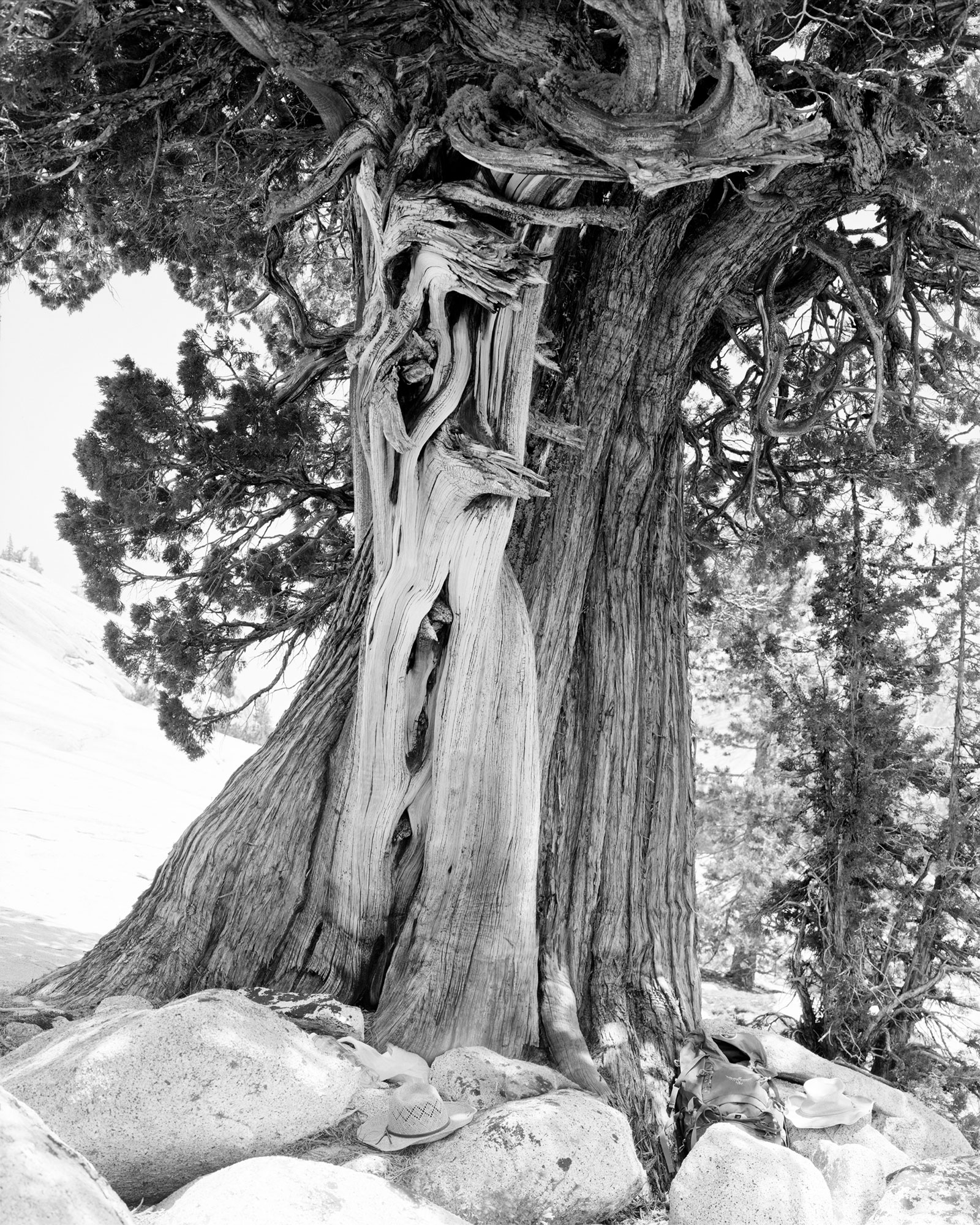
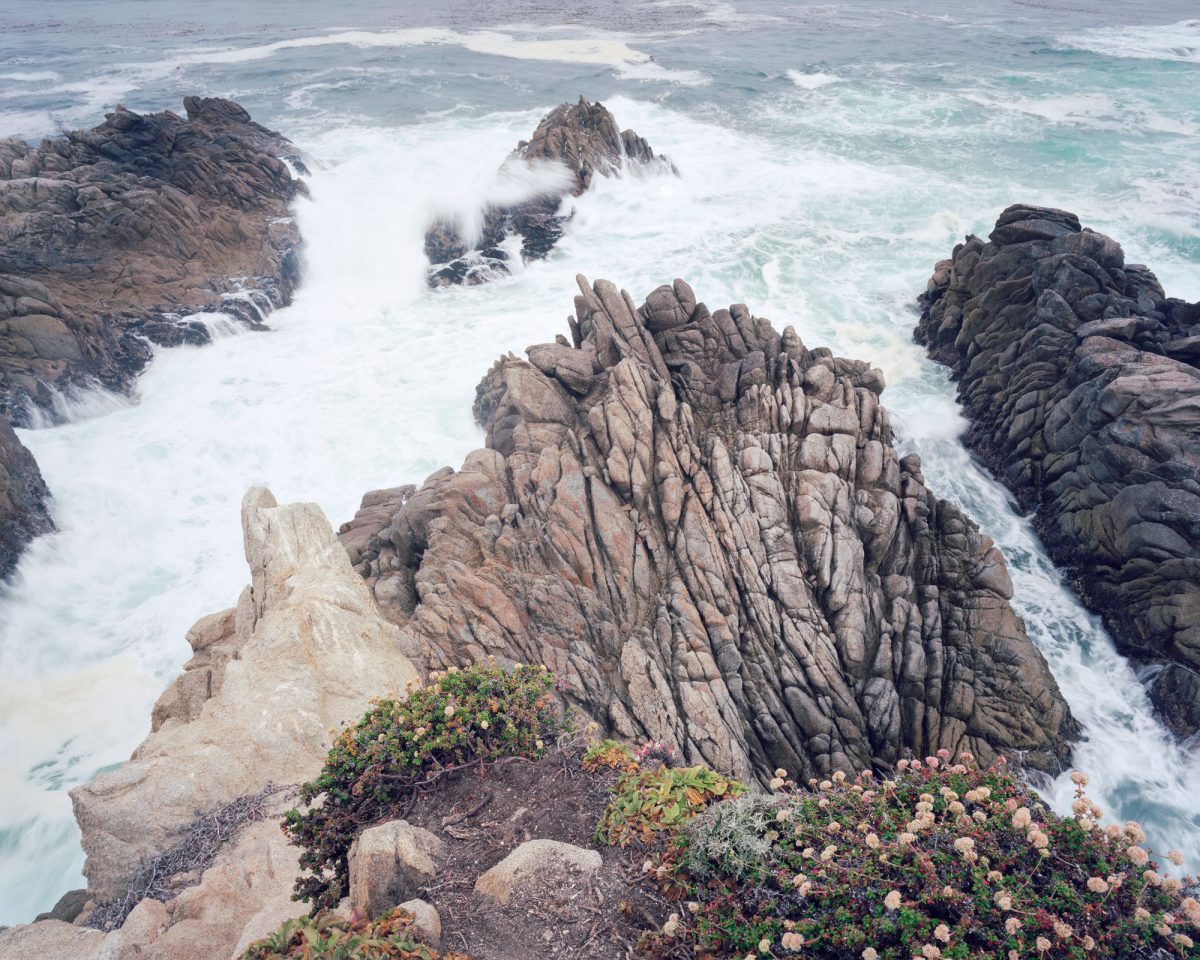
Images of nature and landscapes translate with a different kind of profundity. Nature has a continuity over time that flesh lacks. But time still can exact a toll. Weston’s original photograph of two majestic junipers exalts the sublimity and majesty of the natural world. Connell’s photograph of the same two trees decades later captures the identical splendor. However in her later photograph, one of them looks vaguely diminished. Seeing the same trees, separated by time and slightly altered by it, testifies to the constancy of nature’s beauty while reminding us of the inevitable impermanence of all things.
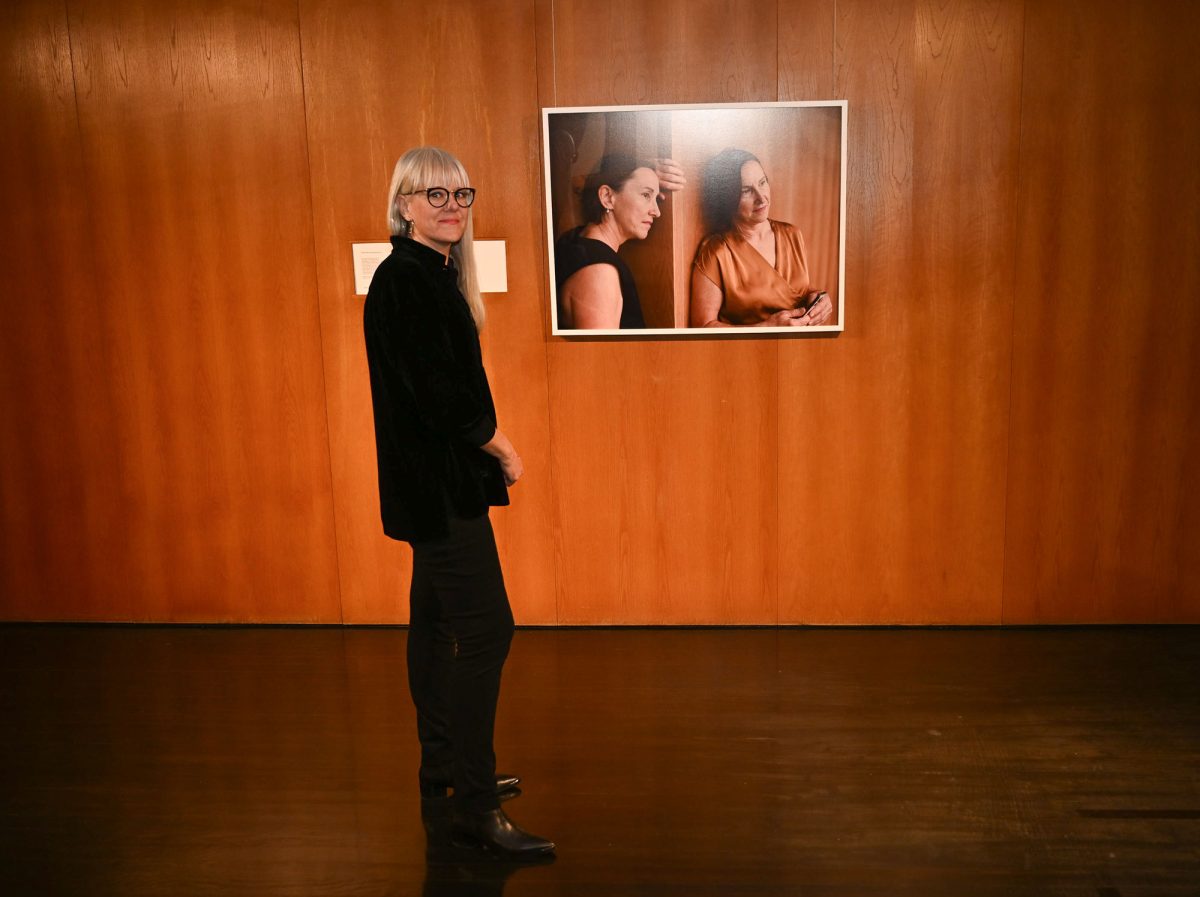
Double Life, Connell’s second photographic exhibition in the show, was commissioned to be in conversation with McCormick House, the Mies van der Rohe-designed home that has been seamlessly integrated onto the museum’s grounds. It includes seven large photographs that are an extension of a project the artist began in 2002 “to examine everyday moments that shape our connection with others and the self.” Each of the images was taken within McCormick House, lending a part of the house’s essence and character to all of them.
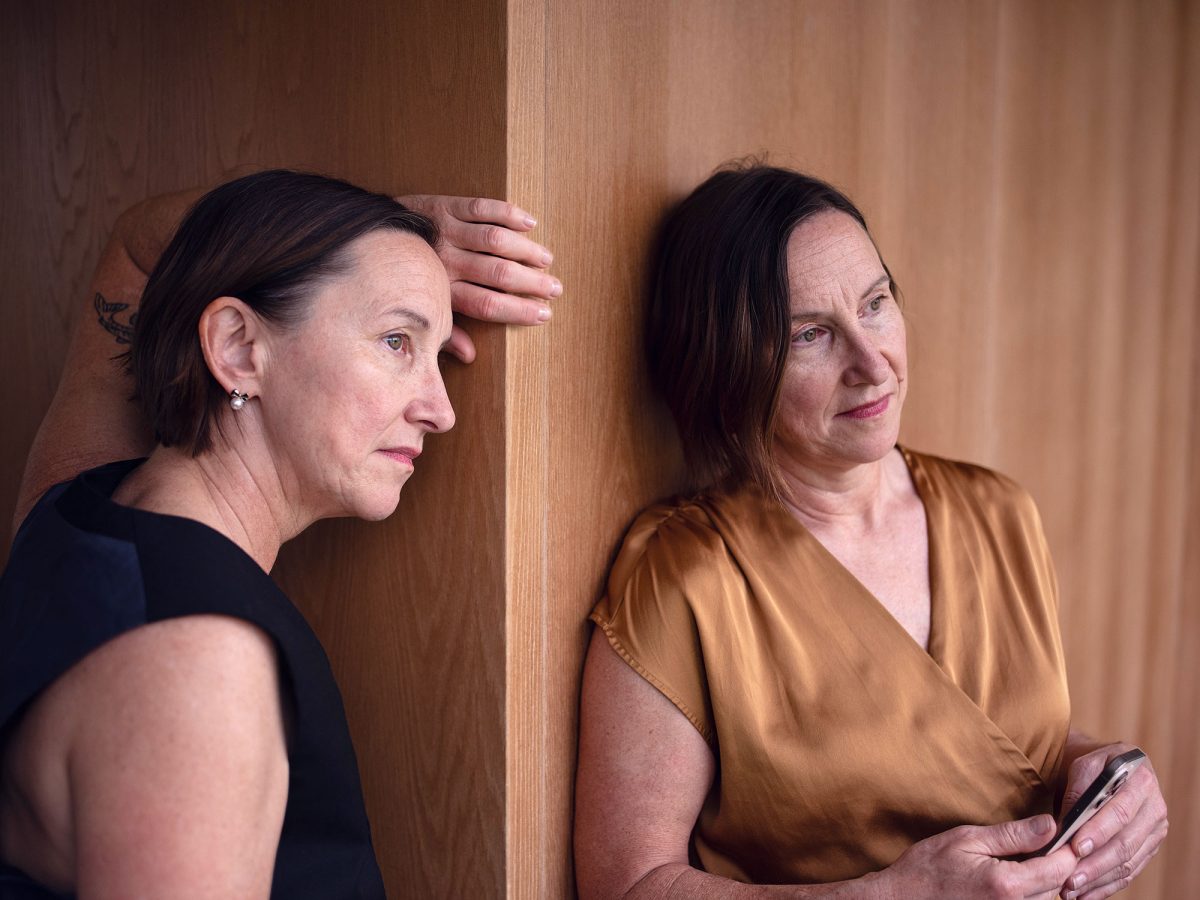
The result is a visually engrossing, psychologically stunning photographic achievement—one that’s made even more impressive because it’s been evolving for more than 20 years and is ongoing.
In it, Connell photographs a single person, her friend and collaborator, Kiba Jacobson. She then collages the images to make it appear as if two separate photographs of Jacobson are sharing the same space and time. The doubles Connell creates appear to be either two aspects of the same person or two different people inhabiting the same frame. There’s a crispness about them that seems to intensify how wonderfully confounding, stimulating and ultimately compellingly mesmerizing they are. These are some of the things exceptional art can do with sublime ease.
Kelli Connell: Living with Modernism is on display through Aoril 26 at the Elmhurst Art Museum, 150 Cottage Hill Ave., Elmhurst. For more information: https://elmhurstartmuseum.org/.
Support arts and culture journalism today. This work doesn't happen without your support. Contribute today and ensure we can continue to share the latest reviews, essays, and previews of the most anticipated arts and culture events across the city.
