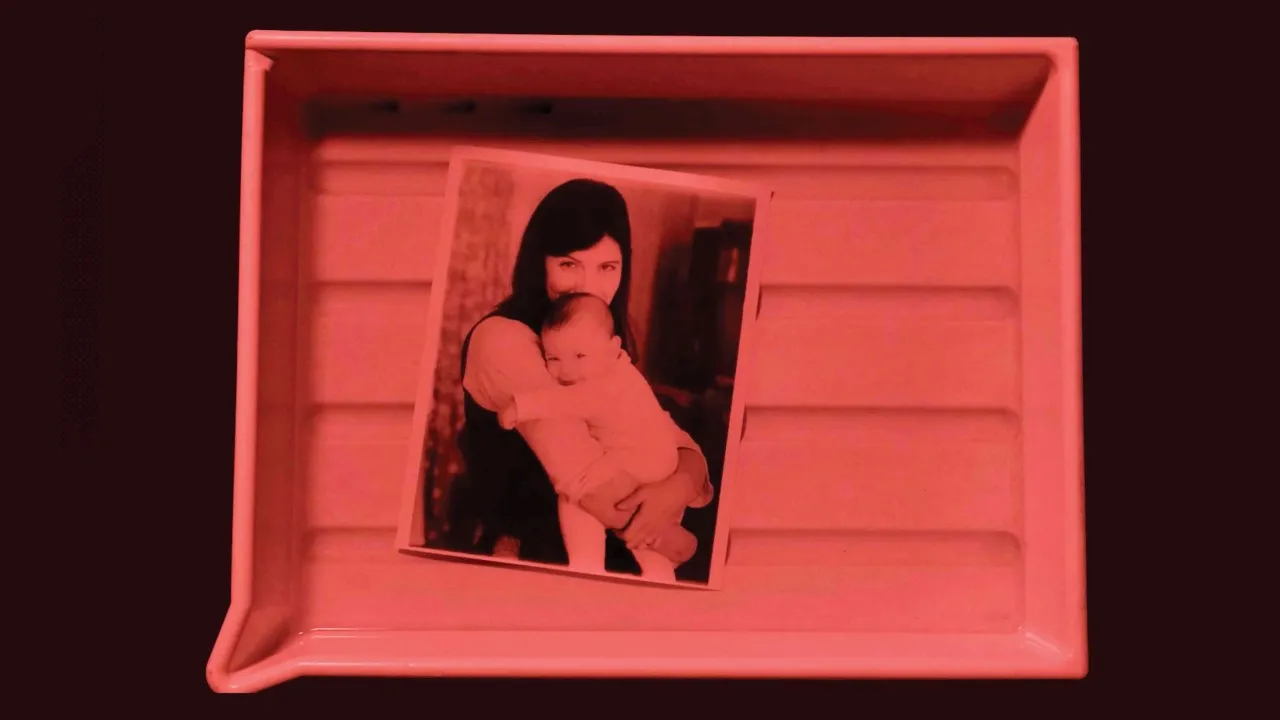

I’m perhaps most leery of documentaries in which the filmmaker is also, to a degree, the subject. Such is the case with Rachel Elizabeth Seed’s deeply personal film A Photographic Memory, ostensibly a work about a daughter uncovering the life of her somewhat famous mother, Sheila Turner Seed, who died when the filmmaker was only 18 months old.
This is a painstakingly constructed memory piece by a narrator who has no memories of her subject, so she relies on interviews her mother did with some of the 20th century’s greatest photographic artists, including Henri Cartier-Bresson, Lisette Model, Gordon Parks, Bruce Davidson, and others. She also has access to journals, interviews with her mother, and the memories of surviving friends and her father, the photographer Brian Seed, whose memory is just beginning to fade.
Sheila’s photographic archive is perhaps the most extensive and exceptional one reviewed in the film and reveals a great deal about her interests as an artist. Meanwhile, her interviews were meant for posterity and show her immense skills as a journalist, with many of her subjects agreeing that their favorite interviews were done by her. But from Rachel’s perspective, she also wants to know what Sheila would have been like as her maternal role model.
There is ample proof that nothing was more important to her than her daughter, but Rachel (perhaps naively) is looking to film the large gap in her life left by her mother’s absence, including finding out about her love life before meeting Rachel’s father. It’s a seemingly impossible task, but it clearly means the world to Rachel that she immerse herself in her mother’s life and work to the point where she feels like she’s surrounded by her essence. A Photographic Memory isn’t afraid to call into question the ups and downs of clinging to the past and letting it shape (and sometimes sabotage) your life.
Meanwhile, we also get updates on Rachel’s own world, including her relationship with her struggling father and her boyfriend (and eventual husband), who clearly supports her work on this doc. That doesn’t keep them from drifting apart, however, as Rachel dives deeper into the project. The film even offers up moments when it seems as if Sheila is interviewing Rachel, which feel hokey and maybe inappropriate, but for some reason, it’s done so sincerely that the result is unexpected and intimate. Rachel Seed might not have been the ideal candidate to make this movie, but it’s clear she needed to do it more than any outside creative might have, and the results are far more personal and heartfelt than most docs are capable of achieving.
The film is now playing at the Gene Siskel Film Center.
If you enjoyed this post, please consider supporting Third Coast Review’s arts and culture coverage by making a donation. Choose the amount that works best for you, and know it goes directly to support our writers and contributors.
