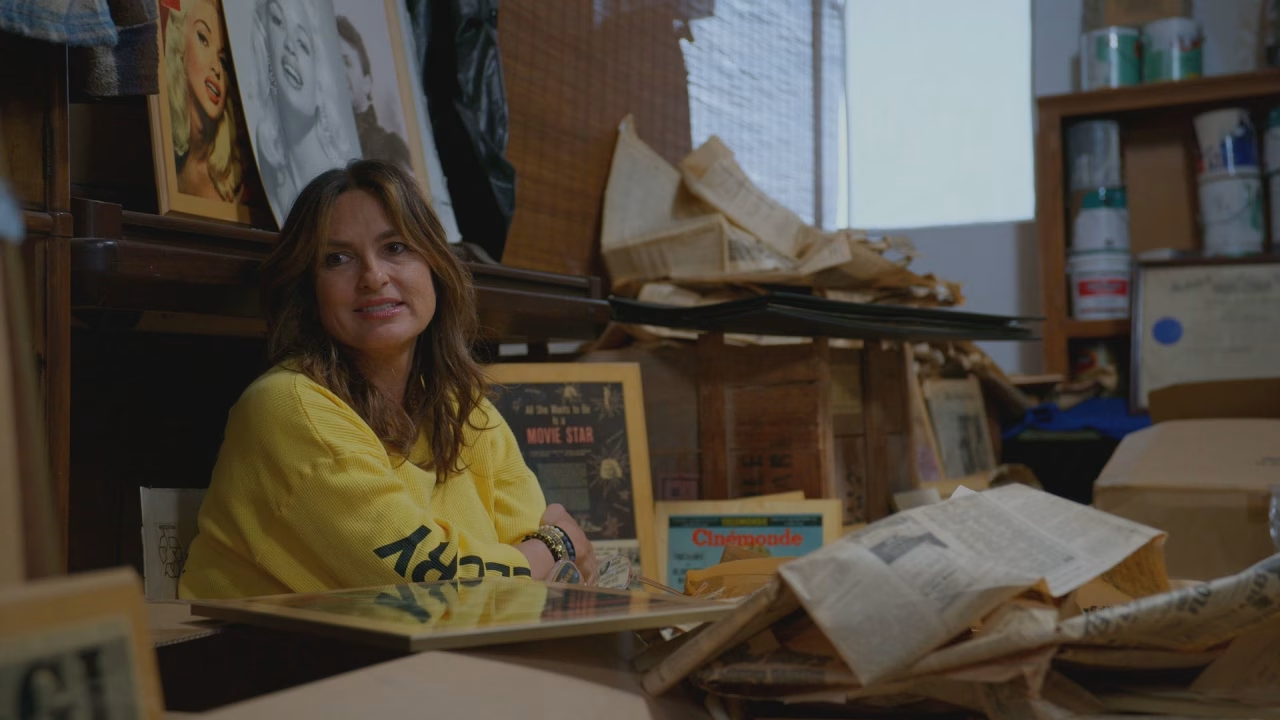

A few documentaries of late have dealt with the children of famous people, searching for stories about a parent’s life because they have few or no memories of them. The idea is usually to do a deep dive through archives of photos, film, tapes, journals, etc., as well as conduct new interviews with friends and family who did know them and essentially immerse the grown child in the world of said parent so they can get a taste of what their life was like and how they were as a parent.
The latest and one of the best in recent memory comes from actress Mariska Hargitay (Law & Order: SVU), whose mother was the most photographed woman in the world for a time, the actress Jayne Mansfield. Mansfield's blonde bombshell image made people assume a great number of things about her intelligence, sexual prowess, and talent that has always made Hargitay uncomfortable, so making this film becomes a way for her to comprehend and make peace with her mother’s legacy.
In My Mom Jayne, Hargitay's feature film directing debut, she makes it clear that this will be less a walk through her mother’s better-known films, which she is understandably overly familiar with. She’s far more interested in finding the woman behind the breathy, curvy pinup favorite and exploring Mansfield’s difficult relationship with her parents, her many husbands and romantic partners, all in the hopes of better understanding her mother as a private person rather than as a public figure.
Hargitay was only three when Mansfield died at age 34 in a car accident, and she was raised by her father, bodybuilder/actor Mickey Hargitay, along with a four brothers and sisters. All of them are interviewed for the film, since their memories of Jayne are more vivid. The miracle of this extended family is that the trauma of losing their mother when they were all so young seems to have made them closer, especially after being raised by a father as kind as Hargitay.
The filmmaker doesn’t dig too deep into the rumors about her mother’s various affairs with famous and powerful men (like a certain salacious president), instead focusing on the men she brought into her family life, like the man who gave her her first child and the name Mansfield. But in the final third of the movie, Hargitay does allow herself to go down a rabbit hole that leads to a fairly shocking, although much rumored, discovery about herself that opens up the film conceptually and also makes it an even more personal journey than she’d intended.
But it also uncovers things about Mansfield that clearly meant something to her, even though she chose to keep them quiet, even from those closest to her. My Mom Jayne gives us a far more layered depiction of its subject than even the filmmaker was anticipating. But this is a film not only about seeking the truth but also telling it, and Hargitay’s fact-finding mission becomes far deeper an excavation than she could have possibly realized.
But Mansfield is the focal point of the movie, and the film reveals complexities and a layer of sophistication and unfulfilled dreams (mainly about being taken seriously as an actor) that make her more of a person and less a public figure. It feels like Hargitay’s primary goal was to make this telling of her mother’s story the definitive one, much in need of reclaiming. The archival footage is fantastic, but the home movies reveal to us so much more about the real Mansfield and her inner circle of family and close friends. It’s an insightful and beautiful look at healing and transformation, for both mother and daughter.
The film debuts today on HBO and HBO Max.
If you enjoyed this post, please consider supporting Third Coast Review’s arts and culture coverage by making a donation. Choose the amount that works best for you, and know it goes directly to support our writers and contributors.
