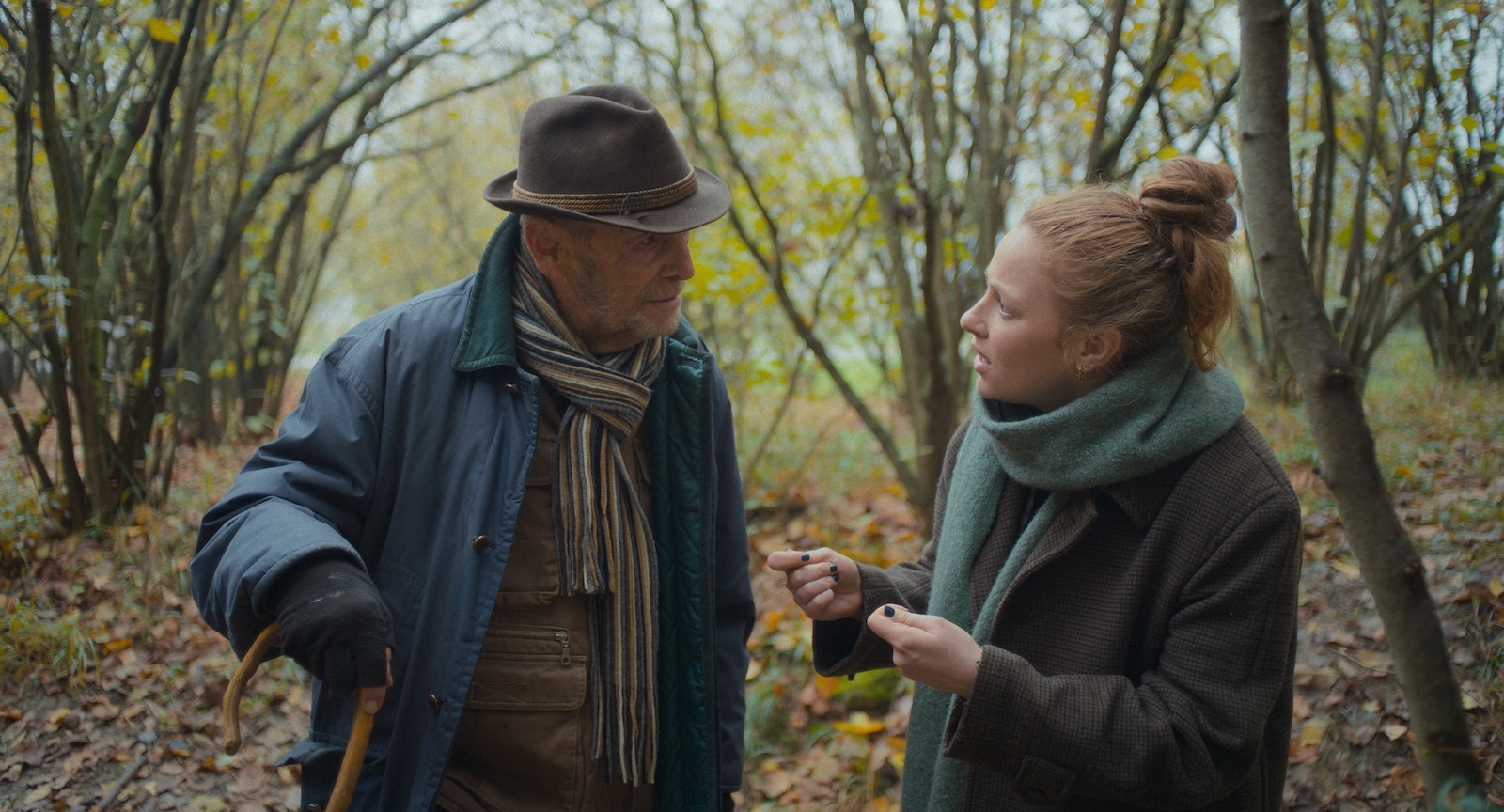

Combining a family drama with the world’s obsession with truffles and truffle hunting (it’s a thing, trust me), filmmaker Gabriele Fabbro (The Grand Bolero) brings us Trifole, the story of 28-year-old, London-based Dalia (Ydalie Turk, who co-wrote the film with Fabbro), who travels to Italy’s Piedmont region to look after her aging, truffle-foraging grandfather, Igor (the legendary Umberto Orsini), at the behest of her mother (Margherita Buy). Igor is struggling with memory and recognizing people, but the skill and methods of truffle hunting are deeply engrained in his DNA, and with his loyal dog Birba by his side, he seems to manage. Barely able to speak Italian but eager to help, Dalia agrees to care for Igor but discovers that he’s behind on his mortgage and about to lose his house.
Although it takes some convincing, he must teach her his foraging ways so she can seek out the rare, prizewinning white truffle in order to sell it at auction and get enough money to save his home. The woods around his home have been mostly taken over by winemakers for vineyards, but Igor believes that if you can spot where lightning strikes in the woods, that’s where this white truffle can be found. The two end up becoming close as her enthusiasm for the hunt increases, and when she finally goes out on her first big hunt, she has to avoid other truffle hunters, natural dangers, and eventually the reality of the cutthroat modern truffle market.
The final act of Trifole is like an overly privileged fever dream, with Dalia getting sucked into the costumed traditions of today’s truffle auctions as they attempt to capture the somewhat magical, folksy quality of their history but instead drain any enjoyment of the ancient process.
The real heart of the story is this grandfather-granddaughter relationship, with Dalia discovering the proud traditions that run in her family and connecting to her family history in a way few people get to. The forests around Alba are mysterious and magical, with a looming danger, but that’s a part of Igor’s world, and Dalia seems eager to become a part of it and its tradition, while also finding her purpose. Even in its most upbeat moments, Trifole can’t help but have a sense of melancholy hover over every moment, but this isn’t necessarily a bad thing; that’s just the world this family exists within, and it’s beautiful regardless.
The film begins playing Friday in theaters.
If you enjoyed this post, please consider supporting Third Coast Review’s arts and culture coverage by making a donation. Choose the amount that works best for you, and know it goes directly to support our writers and contributors.
