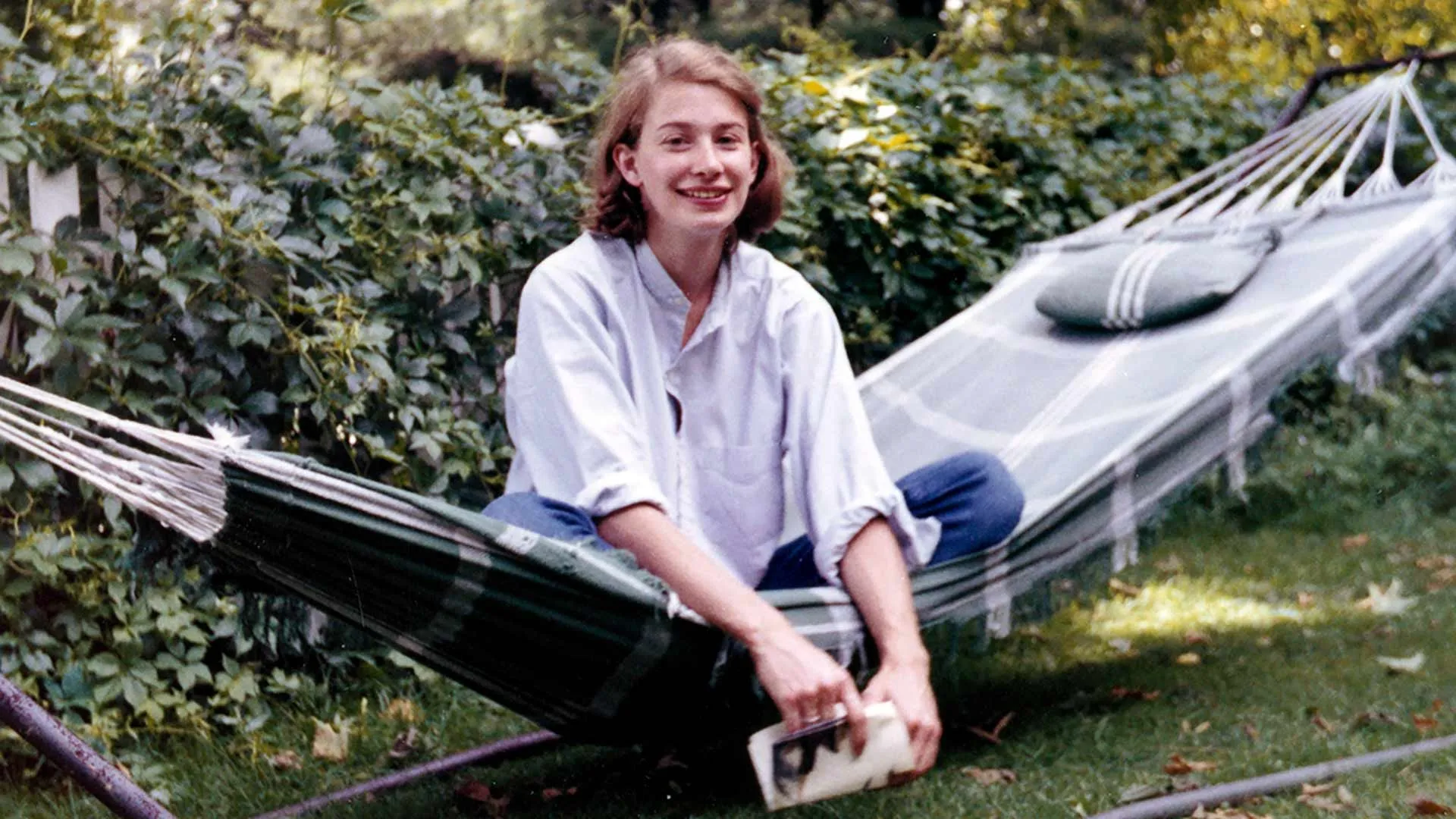

I’ll fully confess to knowing nothing about the Pulitzer Prize- and National Book Award-winning poet Mary Oliver before watching this truly moving portrait of her: Mary Oliver: Saved by the Beauty of the World, directed by Sasha Waters (Garry Winogrand: All Things are Photographable). Aside from knowing she was a so-called “nature poet” (a label she whole-heartedly rejected), part of the reason I was unaware of her life story is that she kept her private world private until fairly late in life. But when you count among your closest friends everyone from Maria Shriver to John Waters, it turns out that your friends can do a pretty incredible job relaying your story to the masses via this solid documentary.
Much like directors of many great music docs, Sasha Waters wisely allows the work to do the heavy lifting, giving much of the poetry reciting to voices like Stephen Colbert (who barely gets two lines into any given work without tearing up), Steve Buscemi, and even Oprah Winfrey. We actually are able to learn a great deal about Oliver through her work, which discusses everything from being a child who loved the outdoors and long walks in the woods (a practice she continued her entire life) to being lonely, being in love, and allowing herself to be loved in return. After years of struggling and being broke, alongside her longtime partner Molly Malone Cook, Oliver became something of a pop icon in the poetry world, living in Cape Cod, reflecting on her environment and doing what she could to stay out of the public spotlight.
Using never-before-seen photos, notebooks, and letters from her archives, the film digs deep into her childhood, which found ways to be both idyllic and traumatic. Her work somehow found a way to appeal to readers in all walks of life. There are newer interviews with a host of poets who do the most revealing dissections of Oliver’s writing and attempt to explain her popularity and why some artistic outlets that should have been celebrating her success were bashing her for daring to have mass acceptance.
Part of the American Masters series (which means it will be on PBS at some point), the film humanizes and grounds the woman who, to many, was more mystical and other worldly. She wrote about our place in the natural world, mourning, modern anxieties, and how easy it is to feel disconnected from the planet in a world of things meant to distract us. It’s difficult not to envy her life in many ways, but also see its limitations, which she fully embraced. The lengthy and plentiful stories from John Waters are easily a highlight in a film full of great interviews and insight into this singular, unique career and life. Above all else, the film provides much-needed context for so many of her lovely, emotional poems that continue to mean so much to so many.
The film is now playing exclusively at the Gene Siskel Film Center.
If you enjoyed this post, please consider supporting Third Coast Review’s arts and culture coverage by making a donation. Choose the amount that works best for you, and know it goes directly to support our writers and contributors.
