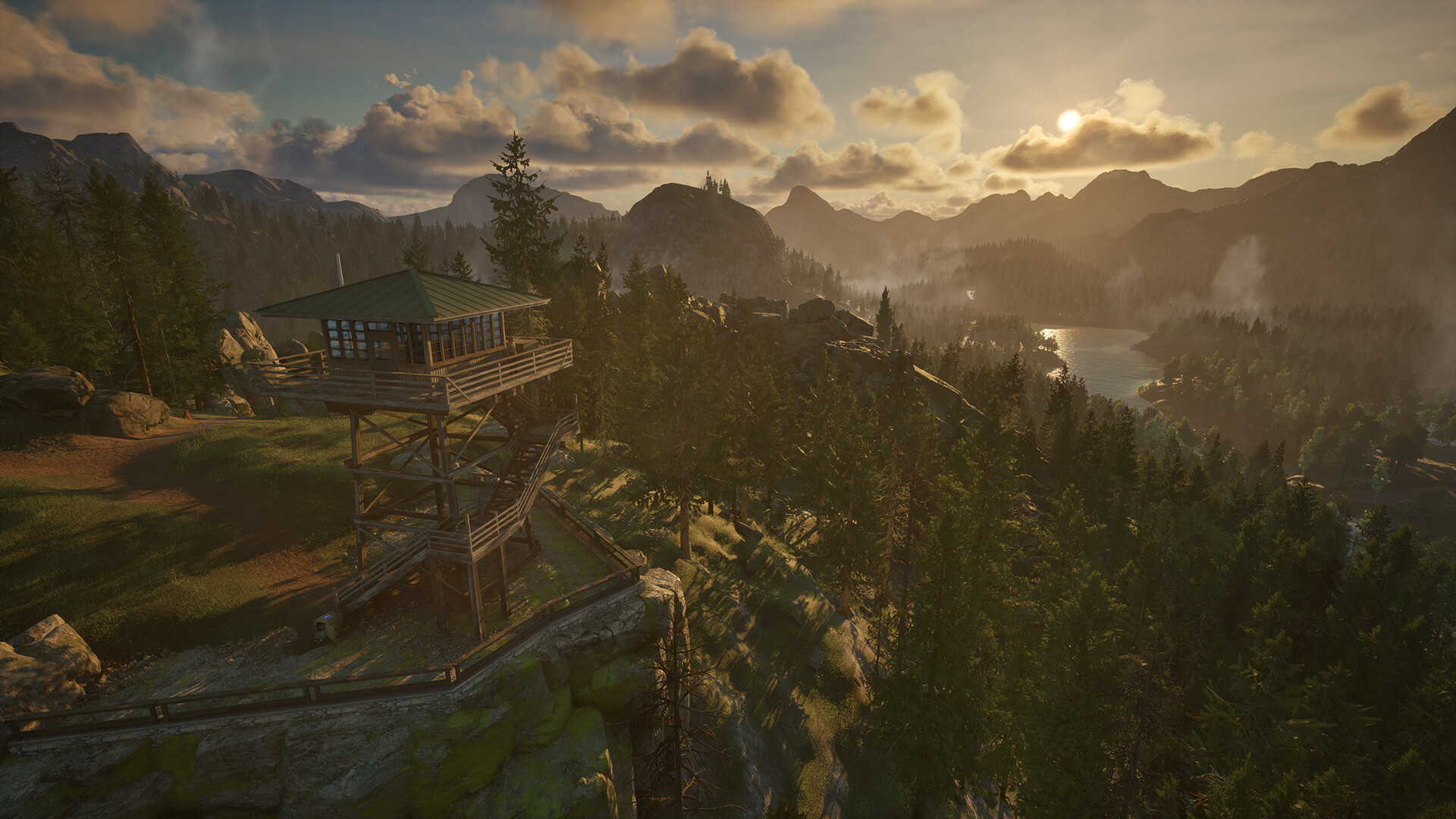
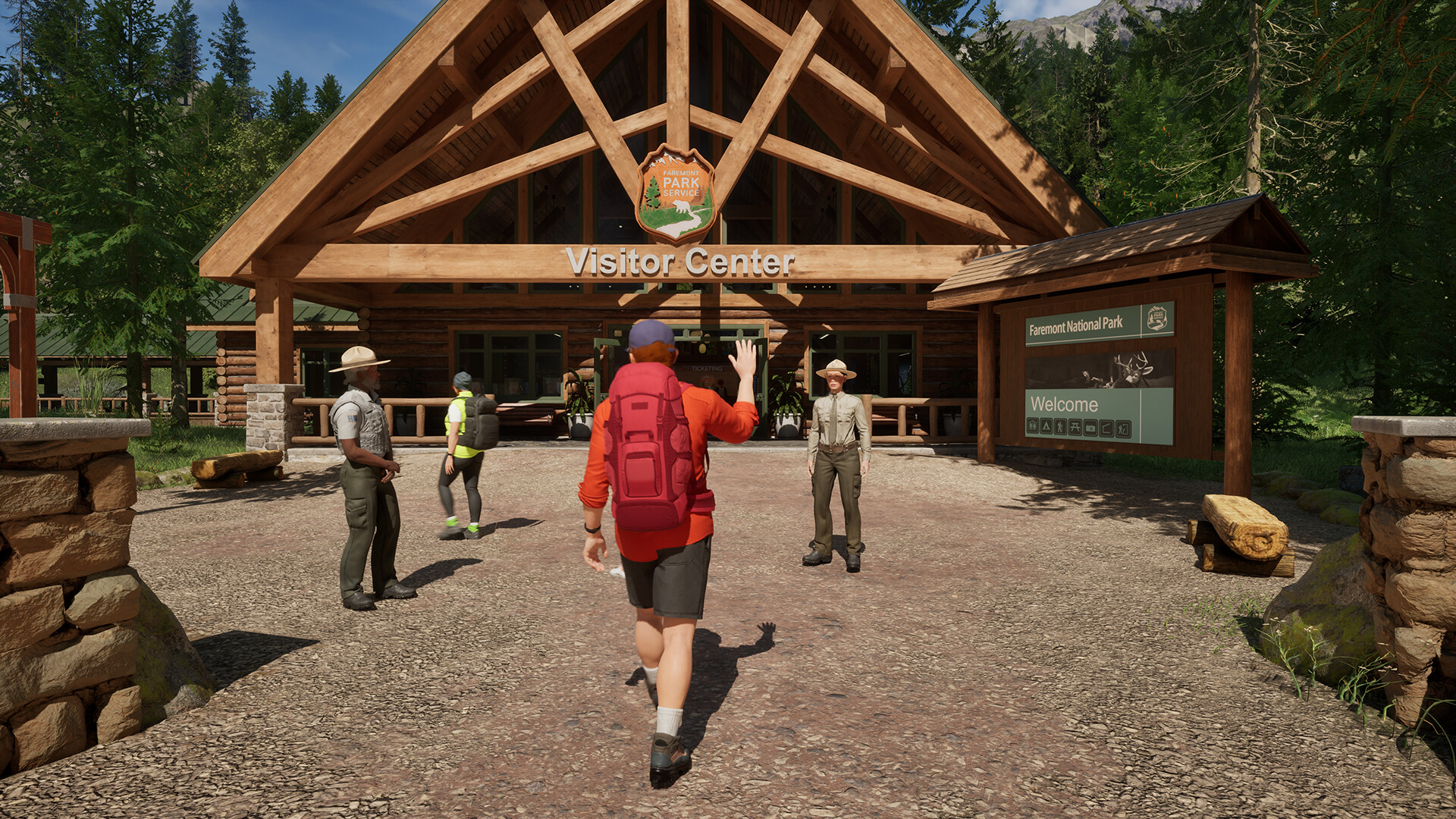
When Ranger’s Path: National Park Simulator came across my desk at CultureCombine, I wondered: how the hell do you simulate that? Developer To-Go Games took the premise of being a park ranger earnestly, offering an honest look at what it’s (kind of) like to manage the fictional Faremont National Park. That means looking for lost park guests, picking up endless amounts of trash, and handling the other mundane but essential tasks a park ranger must undertake on a daily basis.
Looking at the ranger’s cabin and the daily routine of tidying and helping out, it’s a serene lifestyle that I envy in a way. Sometimes I wish I could slow down from this fast-paced video game reviewing life and take an extended sojourn into the wilderness. When I was out there attempting a thru-hike on the Appalachian Trail last year, or even when I'm just pitching a tent at an Illinois state park for the weekend, the reality of trail maintenance hits home, and I realize just how important a job volunteers and park employees have when it comes to maintaining the wilderness for current and future generations to enjoy. Ranger’s Path does a remarkably good job of highlighting the effort—and tediousness—of some of the necessary steps to keeping a thriving park open.
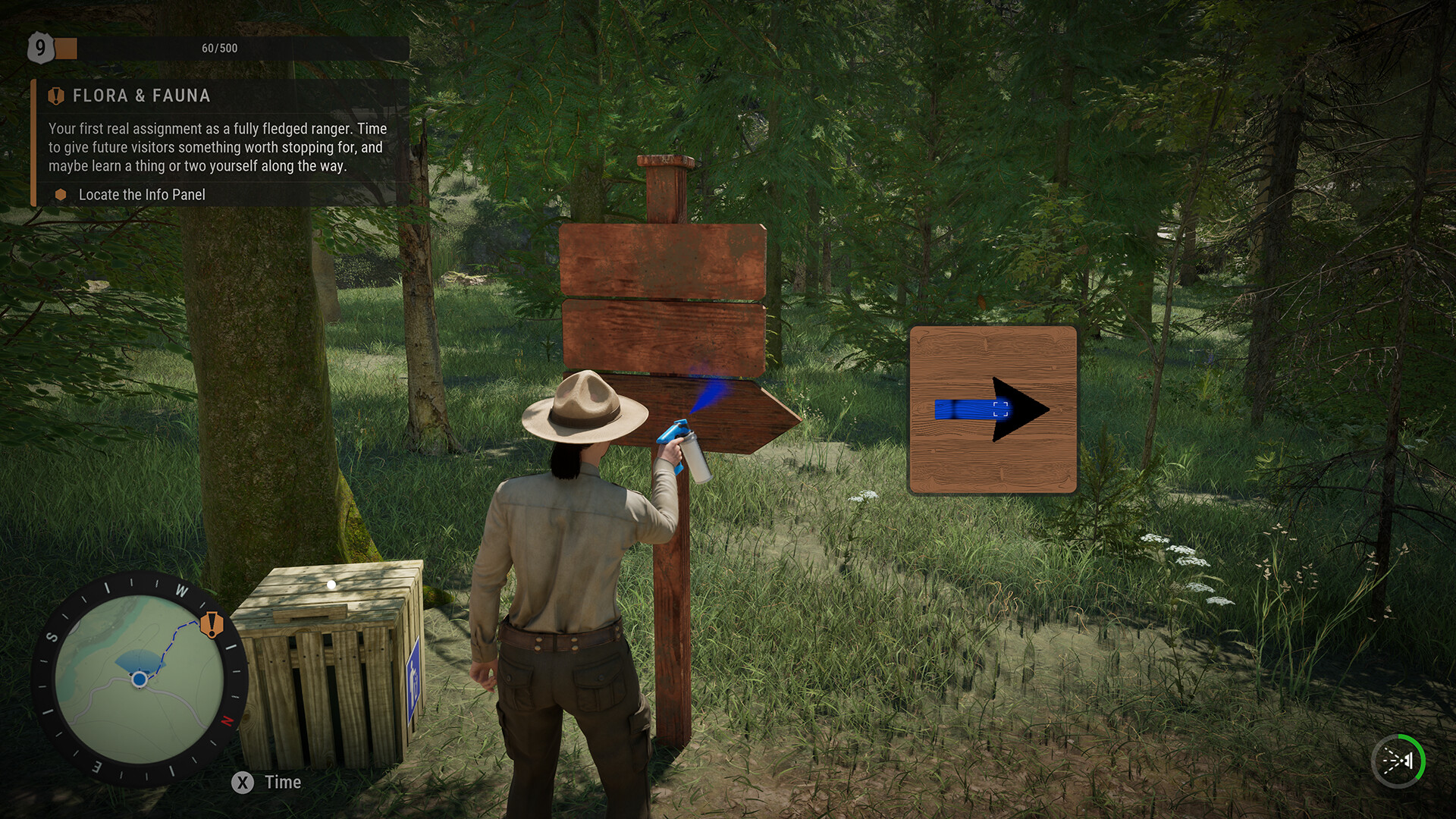
In the first dozen minutes or so of Ranger’s Path, you’re told how to be a ranger and shown what is expected of you. After you’re done screwing signs back together, repainting directional arrows, and clearing logs off of trails, you finally get to don the coveted ranger hat and hop into the driver's seat of your official pickup truck. From there, you’re free to roam Faremont Park in all of its glory, or you can continue to accept assignments over the radio.
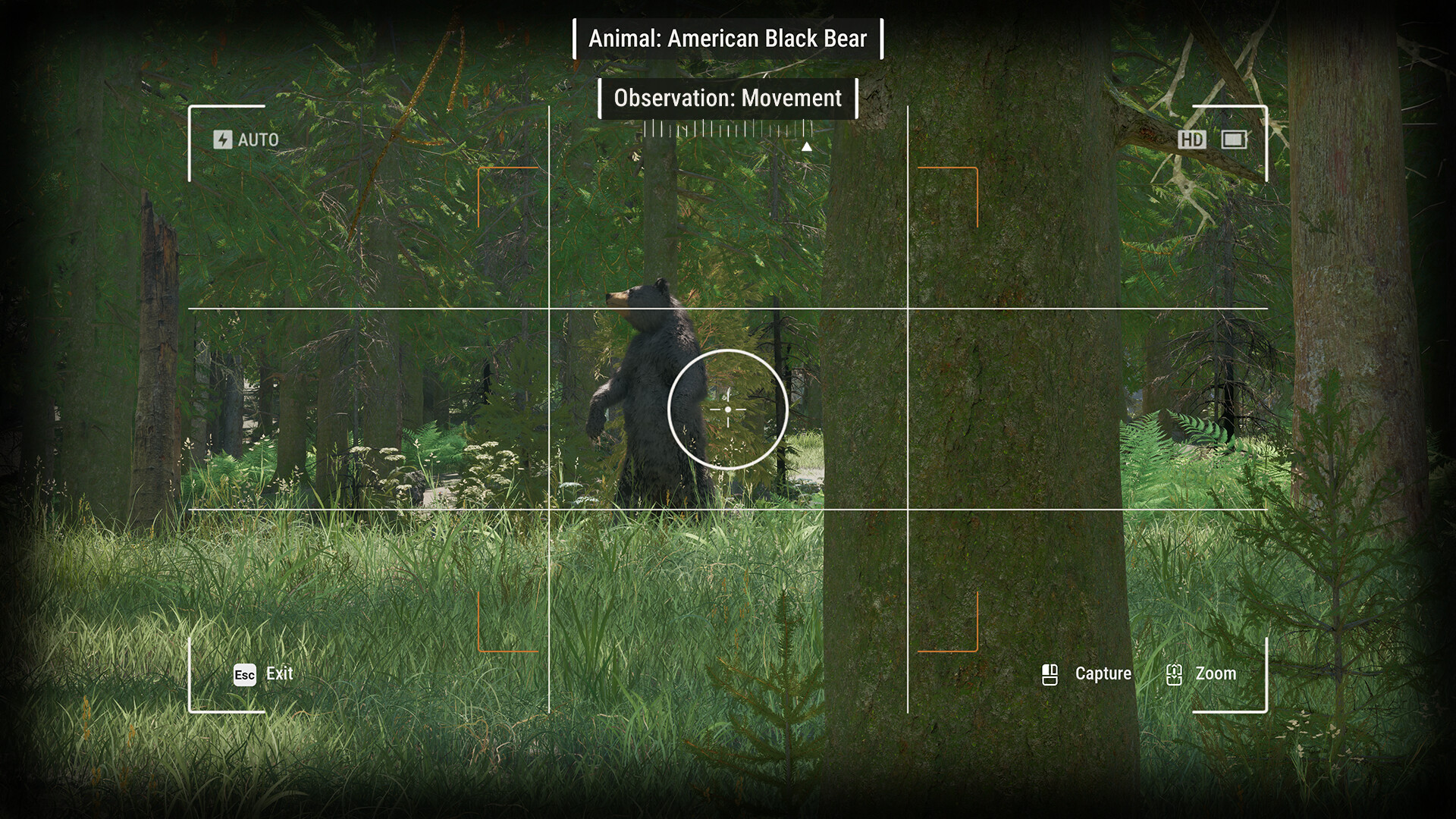
To-Go Games obviously put a lot of work into crafting Faremont. There are loads of interesting trails, overlooks, and flora and fauna to take a look at—which you document with your camera to fill out your nature lexicon. But a big park means there is also a lot of park to maintain, and there always seems to be something to do.
Where the immersion stumbles a bit is in the finer details of park authority. The ID system isn’t the most clear. As a park ranger, you have authority over the park-goers. Once you ask them to supply their permit, you can choose to let them go with a warning, fine them, or kick them out as you see fit. It doesn’t help that the passes themselves can be a bit confusing, with a tier system that feels like it was designed to deliberately confuse people. There was an extra-reasonable part of my brain that didn’t allow these virtual tourists to face expulsion despite their transgressions, because who the hell can understand the damn passes anyway?
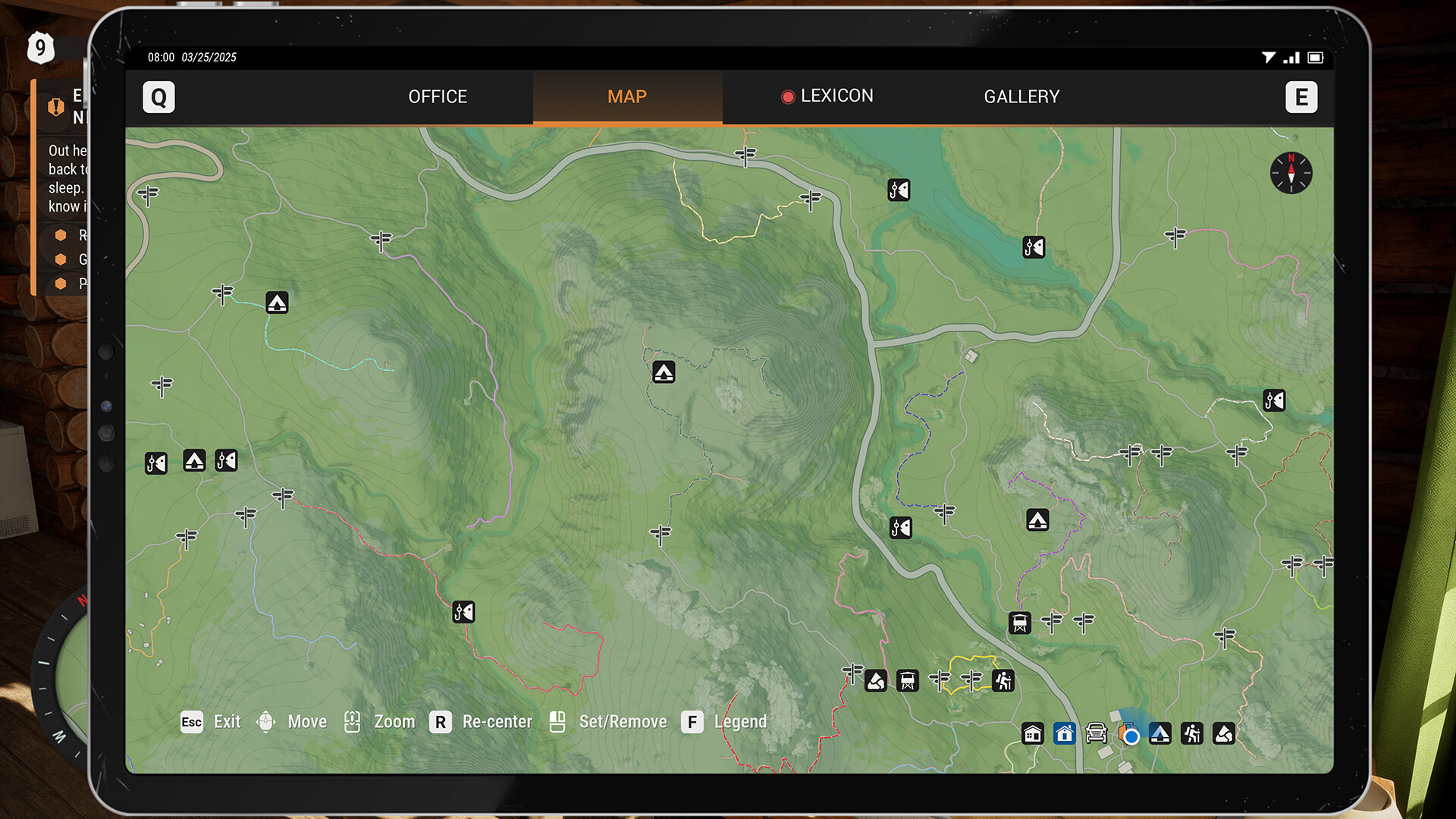
Another major job you have is finding people who get lost or otherwise wander off. You'll regularly get radio callouts from your supervisor about missing hikers. Tracking them down is as easy as following a waypoint on the map. Then you use your Ranger Sense mechanic to figure out if you need to give an emergency blanket or some water from your first aid kit. It breaks up the monotony of picking up litter. It’s too bad it isn’t harder to track down these lost day hikers.
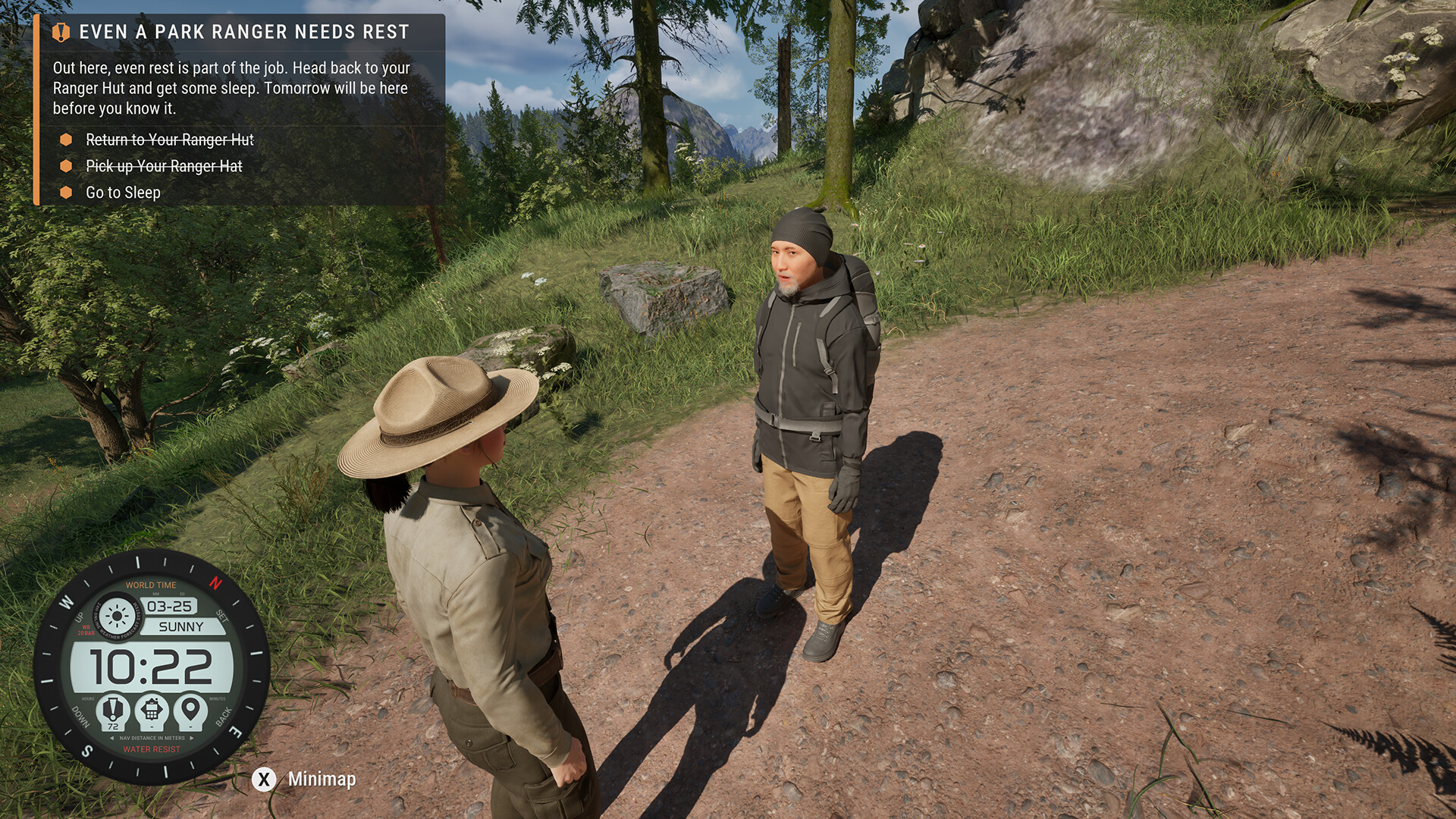
My biggest gripe right now is that there isn’t a true pause function. This is a massive bummer for a game that’s supposed to be low-pressure. If I want to step away from the keyboard to plunge a fresh cup in the Aeropress, I shouldn't have to worry about the dynamic day-night cycle marching on or missing a crucial radio callout. A cozy simulation game needs to let you walk away for a minute.
But this game is out in Early Access, which means growing pains are entirely expected. According to the Early Access section on the game’s Steam Store page, Ranger’s Path: National Park Simulator is expected to stay in development for about a year.
What you’re getting right now is the “core” experience, with the developer pledging to “continue to build upon this foundation throughout Early Access, step by step expanding the scope of the game.” The published roadmap promises more animals, a deeper flora survey system, backpack searches, and eventually, multiplayer.
Ranger’s Path: National Park Simulator has a strong foundation, but it’s going to need some work to meet its full potential. I look forward to coming back to Ranger’s Path as it progresses through Early Access and grows into the beautiful wilderness it aims to be.
Originally published on CultureCombine.com
