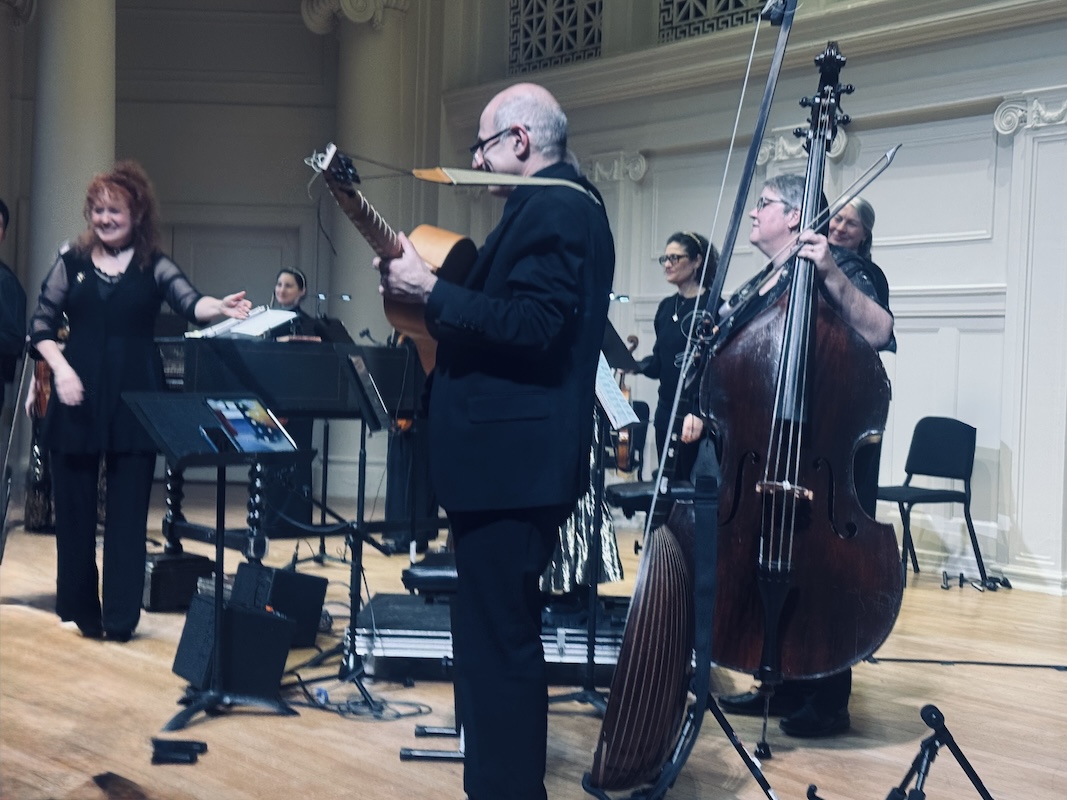

Apollo's Fire Baroque Orchestra brought new life to popular classics on Wednesday at the Music Institute of Chicago. I was thrilled to see how much soul was imbued into the performance of Vivaldi in particular.
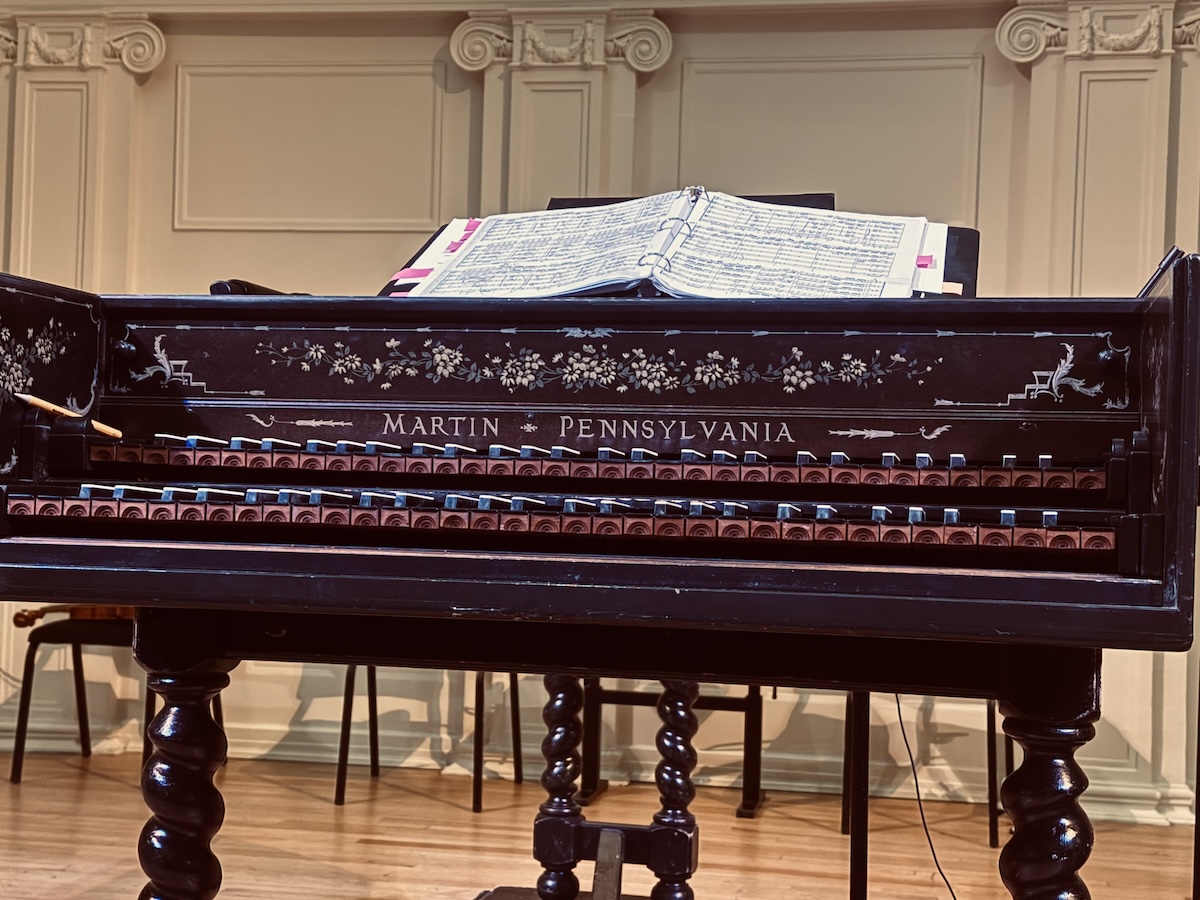
Conductor and founder Jeannette Sorrell is as much fun to watch as it is to hear the ensemble play. She conducts from the podium on a beautiful Willard Martin double-manual harpsichord. I was close enough to peek at the score of "Winter" from Vivaldi's "The Four Seasons."
Winter Sparks was a step back in time, featuring instruments from the Baroque era. Kathie Stewart played the traverso, which is the wooden ancestor of the metal flute. The traverso plays in only one key; the fingering and breath control of the artist is a skill unto itself.
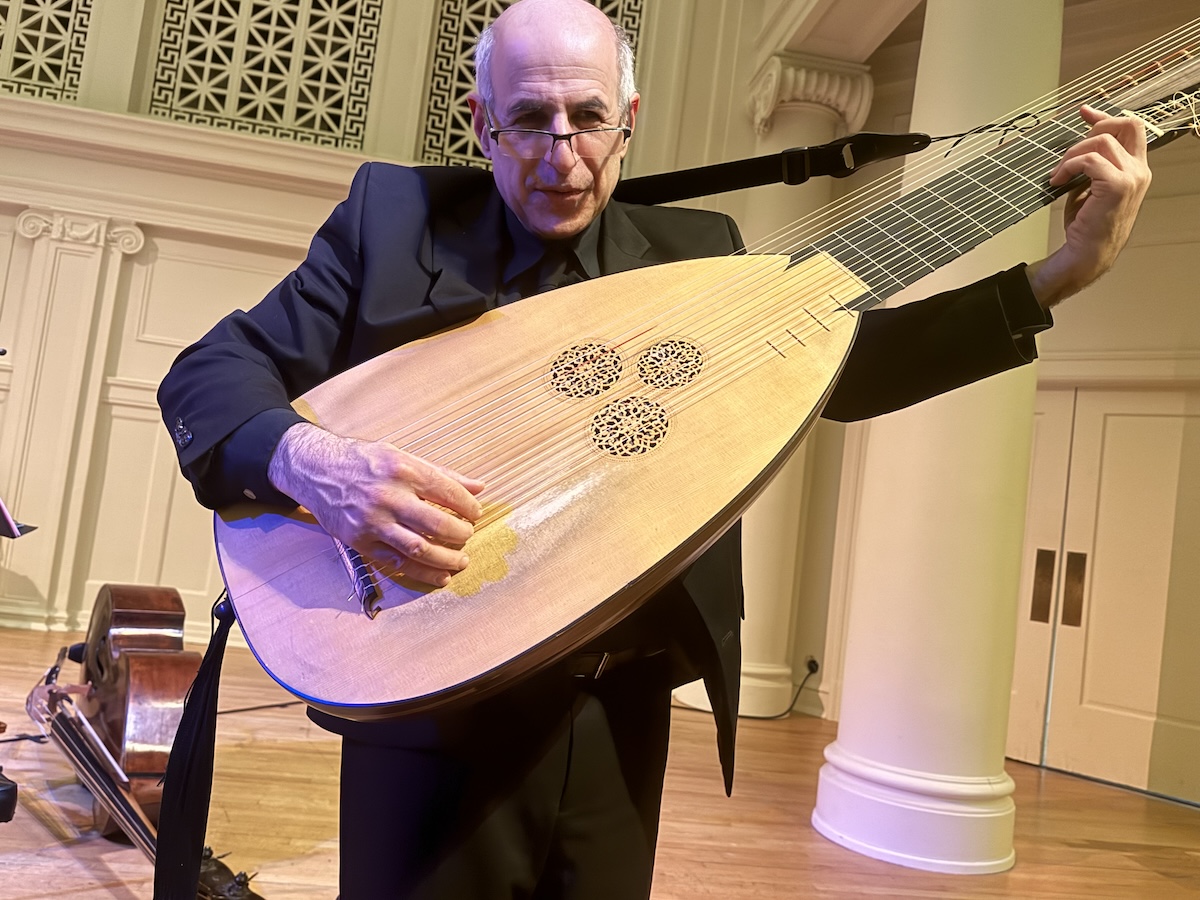
The concert opened with Evaristo Felice Dall'Abaco's "Allegro & Passepieds" from Concerto a più Istrumenti in E minor Op. 5/3. Stewart played the traverso with a deft and nimble touch. Debra Nagy dazzled on the baroque oboe, which has only three keys and a gorgeous timbre without the whine of a modern oboe. This is music that would be heard at lively gatherings with the "Passepieds," specifically for dancing similar to a waltz. The strings added a sparkle to the woodwinds in addition to the 15-stringed lute played by William Simms.
Nagy was featured on Antonio Vivaldi's, Oboe Concerto in A minor, RV 461, Allegro non molto, Larghetto, and Allegro. The three movements were played at the speeds listed. It went from whiplash fast to leisurely, and finally, a lively whirl made for a turn around the dance floor. I got that feeling of being in an 18th-century salon, with rococo artwork and luxurious fabrics. This music would make me want to dance, despite the whalebone corset, elaborate hair with feathers, and a bunch of gilded grapes.
Johann Sebastian Bach ended the first half with Concerto in D minor for Two Violins, BMV 1043. On violin were Alan Choo and Susanna Perry-Gilmore. Choo is the most animated of the strings, and while I loved the enthusiasm, I found it distracting. The players are an ensemble, and while there are featured players, I believe there should be greater reserve when playing as part of the group. I think the audible inhaling and deliberate body angling toward the audience were disrespectful to his fellow featured violinist. Perry-Gilmore plays with deep concentration, allowing the music to speak for itself.
This piece features a three-note ostinato prominently highlighting the bass and cello. The bass, in particular, gets a few highlights, filling in bits of the melody. As a former bass player (way back in the day), I enjoy hearing it being featured.
The second half of the concert opened with Sonnerie de Sainte Genevieve du Mont de Paris by Marin Marais, arranged by Sorrell. It is a well-known piece of music about the bells of St. Genevieve's Church, featuring strings, lute, and harpsichord. Apollo's Fire plays beautifully, with each instrument being heard in different passages.
Bach's Orchestral Suite no. 2 in B-minor, BWV 1067" featured Stewart on the traverso again. This suite opens with a somber Ouverture, followed by six dances with varying rhythms. This music feels celebratory, thanks to Stewart's excellent traverso skills.
The concert concluded with Vivaldi's "Winter" from The Four Seasons, featuring Choo. Sorrell introduced the piece with a description of the phases of wintry weather. Allegro non molto was akin to teeth chattering. Largo was the howling wind, and Allegro was wintry rain. Choo gave a lively and precise performance that blended well with the ensemble. "Winter" is one of the more famous segments played in commercials for athletic shoes and expensive jewelry. The most famous use for me was in the film, The Four Seasons (1981).
It was a great evening of music from Apollo's Fire, and a sparkling light in a dreary time of year. I got a sense of well-being from music so beautifully and passionately played. I don't recall if Puxatawney Phil saw his shadow, but I left feeling that spring would come on schedule. In the meantime, I will stream Apollo's Fire Baroque Orchestra.
Support arts and culture journalism today. This work doesn't happen without your support. Contribute today and ensure we can continue to share the latest reviews, essays, and previews of the most anticipated arts and culture events across the city.
