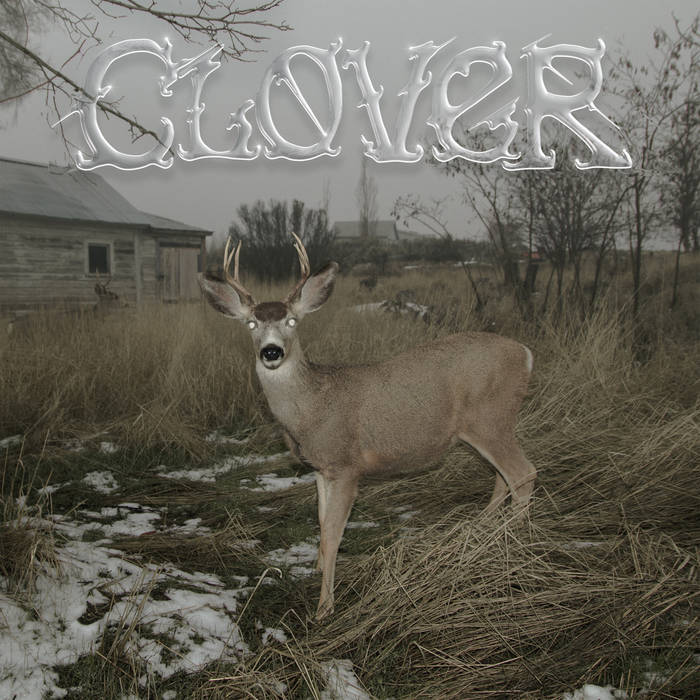
The best thing about January 2026 is that 2025 is over. However, since it’s the beginning of the new year and I’m still waiting patiently for a few Chicago albums to be released for review, I thought it might be fun to review a homegrown album from last year that I didn’t get the chance to review in 2025, mostly because of my own negligence and forgetfulness. Although it’s been almost a full year since this album has been out, I feel like telling any and all people who, like me, accidentally let Sleeper’s Bell’s astonishing debut album Clover fall behind the metaphorical couch of 2025 album releases, not finding it until the New Year’s first deep clean. Few albums released last year opened themselves up to me after repeated listens more beautifully than Clover, and the emotional dividends I’m getting from this album feel almost too good to hoard all to myself, so I’m here to share the love.
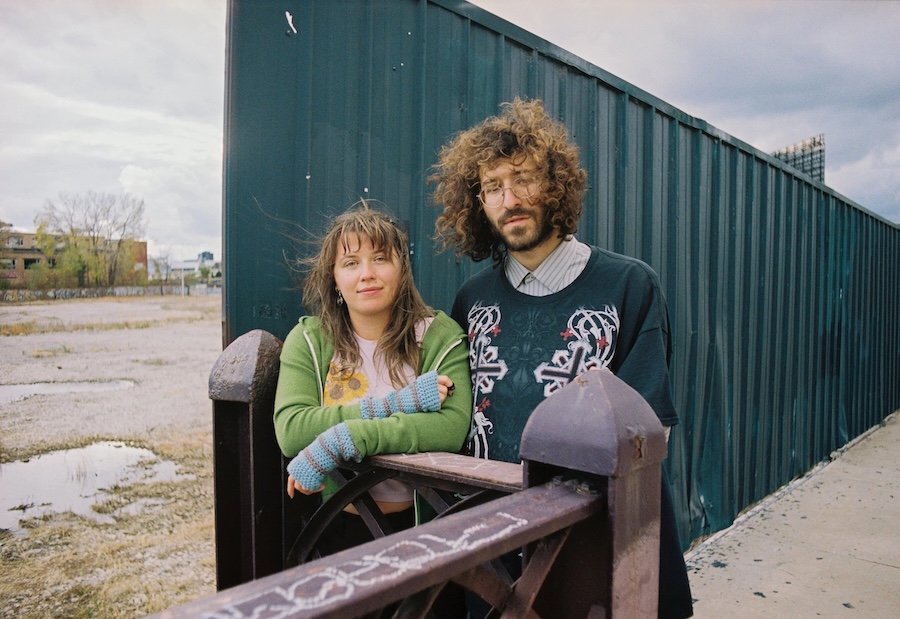
After a sprinkle of singles and an EP released in 2021, Sleeper’s Bell released their first full-length record, Clover, all the way back in February 2025 on Fire Talk Records out of New York. If you are unaware of the band Sleeper’s Bell, my condolences, but it’s understandable. Although they are a rising force in the Chicago indie scene, I’m still of the mind they haven’t gotten their flowers just yet (hopefully that will happen with the next record, though). Sleeper’s Bell is the moody, lo-fi indie folk vessel of lead singer and songwriter Blaine Teppema, who has been writing and releasing music under the Sleeper’s Bells moniker for a little over a decade now. I first saw Sleeper’s Bell in August of 2024 when they played a few songs at the Elliott Smith tribute show at Schubas as a two-piece consisting of Blaine and her trusty lead guitarist/producer/sidekick extraordinaire, Evan Green. I can’t remember exactly what songs they played, but I’m pretty sure they at least played “Somebody That I Used To Know” (or a similar song off Figure 8), and I remember being so transfixed by how soothing and texture-rich Blaine’s vocals were.
Fast forward eight or so months to April 2025, I witnessed a full-band Sleeper’s Bell performance at The Hideout opening for my beloved Sadurn, and that was simply phenomenal. They are a band that you can walk in blind to one of their shows and easily walk away a fully-fledged fan desperately in search of that Patreon you hope to God exists so you can make a $15 contribution for some stickers and a cassette. Weirdly, even though their debut album Clover was a couple of months old at this point, I had not heard they dropped any new music, and it was only later on in the year that I stumbled upon the album and its mystifying cover art (that I couldn’t stop staring at); it’s almost like I was some sort of deer caught in the headlights on some dusty gravel road…
Clover, a nine-song, 27-minute album, is one that neither lingers too long nor abruptly ends too soon; it says what it needs to say and gets out before the curtain calls. Some people love all the music they can get on an album, but to me, that leads to 30-track Morgan Wallen records, so that kind of thinking can be a bit dangerous and not what this country needs right now. Give me a 30 or so minute album with 8-10 songs any day of the week, and I’ll be a happy camper. Even though the nine songs on Clover all sound like they belong on the same record with their similar production aesthetics and instrumentation, they all take you to different places in your mind and different moments in your life, either through invoking real memories or inspiring you to create new ones out of thin air; you just can’t help but be inspired by these songs that feel like they came out closer to 1995 than 2025.
I’m always really impressed when a band just knows how to open a record the right way. It’s a tough feat figuring out which song should be the one to open the front door for the listener, because you only get one chance at a first impression, so other than the closer, there is no more important track placement than the opener. “Clover” gently opens that door for you with soft footsteps and a timid heart. The song doesn’t want to overwhelm, but rather relax and prepare you for what is to come. Being one of only a few songs on the record without drums, “Clover” starts with the most beautiful picked guitar strings alongside a gentle analogue hum that sets the scene for the album right off the bat. As Blaine Teppema lets free the first lyrics of the song, I’m reminded how much I adore her voice. It has the same incredibly soft, warm, vulnerable sound of Elliott Smith or Phoebe Bridgers, yet with so much grit and command. I’m not saying Elliott Smith or Phoebe Bridgers do not command your attention when listening to them because they sure as hell do, but Blaine Teppema stands on her own with a sound that, although certainly not unheard of, begs no comparison; you hear that voice and you’re immediately seated, locked in for the thrill ride of your life. Lyrics like “Can I be your three-leaf clover? / Can I make your heart beat slower?” are just so simple yet so expressive. They hit you like a ton of bricks when you hear them for the first time, as it sounds like she’s almost asking you these questions, like you yourself hurt them.
If “Clover” was the prologue to the album, “Bad Word” is the first chapter. To most, “Bad Word” will feel like more of a “song” since it’s the first full-band song on the album and a rhythmically upbeat one at that. I don’t mean to say the song is happy in any sense of the word, but the song does seem to take a more nuanced and romanticised look at a breakup by referring to the succumbing heartache as “God, what a lovely pain”. Jack Henry, from Chicago indie folk darlings Free Range, lays down the drums on the record, and his drumming on this song in particular gets me going like no other, especially for how it makes its way into the song after around a 45-second solo acoustic/vocal intro. This song, along with many others on the record, is so texture-rich with instrumentation from multiple layers of lead guitar melody to some truly emotional fiddle playing from Blaine’s dad, Jeff. Each layer weaves a tapestry, and each song’s tapestry is more impressive than the last.
I’m addicted to the way “Phone Call” starts. The musty chord progression, leading into the sleazily sounding drums, has the whole musical mise en scène dripping with a certain attitude and color that I can’t get enough of. The song gives grand Slow Pulp vibes, and at a quick two minutes and twenty-seven seconds, it’s impossible to skip. One other thing I’d like to mention is that the lyric “Thank god you’re pretty ‘cuz I can’t read that” is simply a perfect lyric out of context in any situation. I recommend you try and fit it into everyday conversations and see what happens.

I could write a whole thesis on why “Room” is my song of the year (or at least top five), and it would all come down to me basically saying, “I don’t know, man, it just rocks hard.” “Room” quite simply is one of the best songs I’ve heard in years, and yes, the reason is a bit unknown to me. It’s not like the song tries to reinvent any wheel or be anything other than a simple three-minute folk song, but I think where the song gets me is the utterly palpable sense of time and place it paints through Blaine’s lyrics and vocals. When I listen to this song, I can so vividly picture a dingy, smoke-filled Midwest dive bar with one crappy pool table, no AC, $5 domestic beers, and the 2 am full moon outside you only notice when you follow your friends out for their smoke break. Sometimes I picture it raining, sometimes I picture it windier than all hell, sometimes I picture it snowing, and sometimes I picture the bar being in some Brooklyn basement with only half the lights in actual working order. The song just begs you to romanticise whatever thoughts and scenes the song conjures up in your head, and I’m absolutely in love with it. Why is a lyric as short and simple as “At the dive bar and Springsteen’s on” my absolute favorite lyric of 2025? Good question! Because reasons! I also want to give a shout-out to the entrancing drum work on this song by Jack Henry, and especially his use of the negative space with the snare drum. The song will settle down to just guitar for a few measures, and then the next thing you hear is a singular snare hit before he settles back into the main groove, and it just blows my mind every time I hear it. I’m getting lightheaded just thinking about this song, and I haven’t even touched on Evan Green’s insane lead guitar flourishes throughout that undoubtedly take the song to a higher level, so let’s move on to the next one for my own safety.
I love me a good road song talking about the sometimes laborious and exhausting nature of life as a touring musician, and “Road Song” really lives up to the name. The song has the tone and style of fellow Chicago folk icon Hemlock, with its melodically brooding acoustic guitar and folksy drum playing courtesy of the same drummer currently in Hemlock. The song is the shortest on the album, and it certainly feels like it by the time the next one starts. I sometimes see this song unfairly as the “Room” palette cleanser, but it truly deserves more than that for how idiosyncratic and hypnotising it sounds.
“Room” may be at the top of my favorite songs of 2025, but “Bored” isn’t too far down the very same list. What a gorgeous, gorgeous song. Even as I’m writing this, I’m debating going back and slapping a third “gorgeous” down on that previous sentence. Much like “Room”, my appreciation and love for “Bored” is all about my body’s physical reaction when hearing the song. There are moments in this song where I get goosebumps every single time, and I am so addicted to that feeling. This song is just so pure, so warm, so inviting, so reaffirming, so blissful, so yearning, and so many other things. For the first two or so minutes, it feels like it slowly builds and builds until you blink and you’re suddenly in this intoxicating drum groove with guitars being strummed with such tempered grace that they almost sound like banjos. Blaine’s vocals here add all the magic in the world; I really don’t think this song would be the same with a different frontperson at the mic. What hits me the hardest is how Blaine walks herself a second time through the lyrics “Why do I want to break a quiet institution? / I was quiet, too, until I met you / I am so afraid of time’s careless passing / and I’m bored”. This is around the three-minute mark towards the end of the song, and it’s all sung against a backing track so sublime and moving that it makes me inspired to pick up a guitar to try and write something better, knowing fully well that I never will. There are just so many different facets and corners to this song that come together to create such a uniquely beautiful tapestry, including some otherworldly saxophone crescendos and lead piano melodies performed by Rufus Parenti and Gabe Bostick respectively. I have legitimately cried hearing those climactic saxophone notes purely out of being completely and utterly overwhelmed by the sheer beauty of it all. That reaction may be more common for others on the regular when listening to certain songs, but I don’t get that way for most tunes, and certainly not more than once for the same song, knowing what’s coming. That’s what being bored will do to a guy, I suppose.
Every album has to have a weakest track, and for me, with Clover, “Passing Through” is that song. However, I feel relieved getting to say my least favorite song on this album is still a favorite because that’s how amazing this album is. “Passing Through” gets ample points for being a hypnotic vibe of spiritual proportions. The repetitive acoustic plucking of the song puts me into a trance with the notes prancing circles above me as I stare off into space. Sometimes, just sometimes, that’s all you want from a song and “Passing Through” gives me that; all in all, however, it’s just not a song I’d normally listen to if I wasn’t playing the album all the way through (which, with it being a tight 27 minutes, I’m usually doing just that).
Much like how “Bad Word” picks up the pace after “Clover”, “Over” stomps into town after “Passing Through” with bass-heavy rumblings and a rock-solid drum beat that fortifies itself as one of the true bangers of Clover. Blaine again refers to herself as a three-leaf clover as she cries, “But I’m just a three-leaf clover / and I think you found the one / so I’ll move on, so I’ll move on”, lamenting herself as a plant plucked, forgotten, and left behind by someone she wished would have given her a second home. The sorrow in the song you’d think would bring the mood down, but instead it amplifies the intensity, similar to how those angrier Elliott Smith rockers on Either/Or are paired with the softer, more vulnerable songs like “Between The Bars” and “Angeles”.
“Hey Blue” ends the album not with a whimper but with a solemn bang. “Hey Blue” feels retrospective in its delivery, in its instrumentation, and in Blaine Teppema’s vocal delivery sounding more confessional than confrontational. The song feels timeless, but that’s not stopping me from noodling with the thought that it wouldn’t be the hardest thing in the world to reframe the song as a '70s folk song with only a handful of production tweaks and maybe a faster tempo. Throughout the song, I feel like I hear whispers of harmonicas and mandolins, and can’t help but think of a simpler time decades past while Blaine’s lyrics swirl about my head. “Hey Blue” may not be the loudest song on the album, but sonic power doesn’t always translate one-for-one with emotional resonance, something this song has in spades. It makes quiet ripples instead of crashing waves, and both the song and album are better for it. I think this song has one of Blaine’s most underrated and understated vocal performances captured delicately between the restrained strums of her guitar and Green’s thoughtful lead work. You know you have a great closer and an even better album when the only thought you have when the last song is over is, “Which button do I press for the instant replay?”
Even though this review is less than a month away from being an unwanted birthday present for my now dear friend Clover, I’m writing this and sending it out into the ether of the internet to rid myself of the guilt I’ve been carrying around for not having found this album sooner. I changed my ways and got back on the path of righteousness, but there are still some lost souls out there that could stand being bored in their room a bit more with Sleeper’s Bell. The band played a headline show at Schubas back in the fall of 2025 that I unfortunately missed, but I’ll be waiting patiently for the next go-around, where I can finally pat myself on the back for being so intimately aware and knowledgeable of their craft, because, unfortunately, no one else will give me that emotional validation without billing me for a therapy session.
