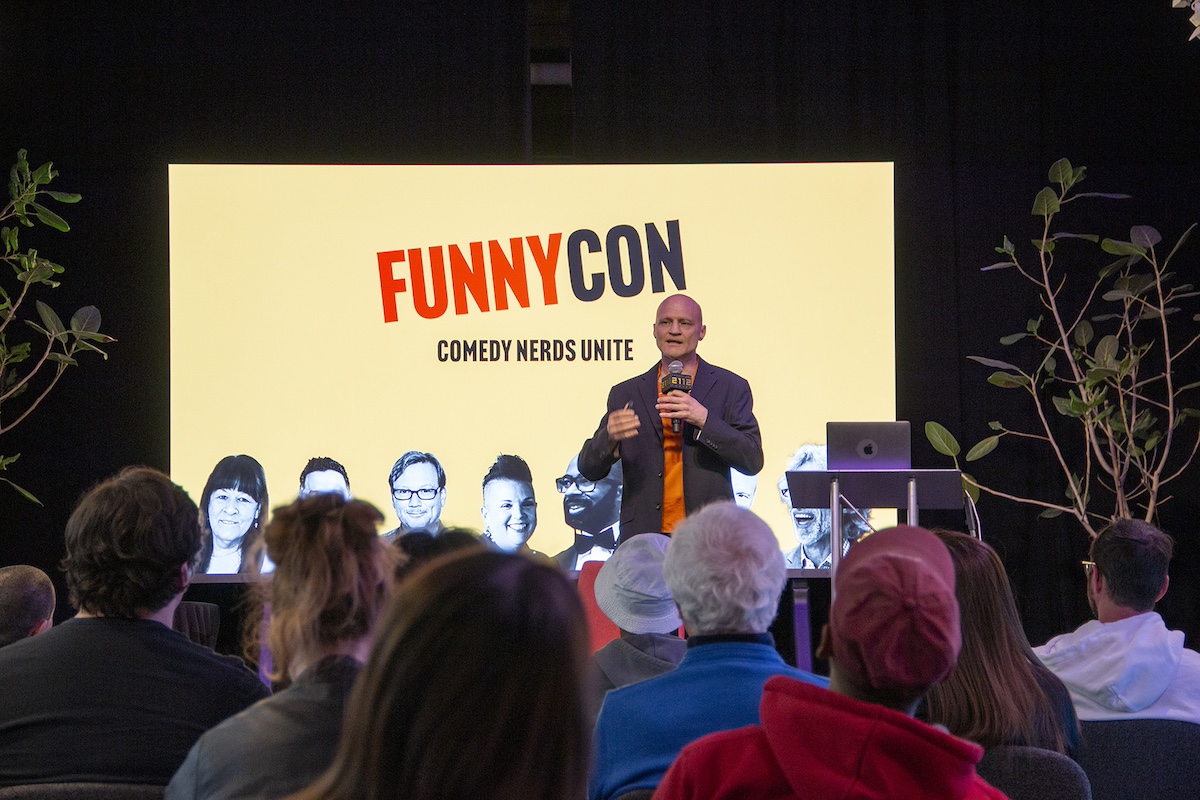
As a co-founder of the venerable satirical newspaper The Onion, Scott Dikkers is no stranger to launching comedy institutions. His latest endeavor is the biggest yet—the first annual FunnyCon, a celebration of all things comedy coming to Chicago’s Lincoln Lodge from March 31 to April 2. The event promises performances, workshops, screenings, and more, but the centerpiece will be the Funny Awards, which will offer accolades to movies, TV shows, social media, and other humorous favorites.
We talked with Scott about creating FunnyCon, why the Funny Awards are so necessary, and his picks for a comedy Mount Rushmore.
How long has the idea of FunnyCon been floating around?
A good long while—I think a couple of years. We were going to try to do it in 2025. When I say “we,” I mean my little How to Write Funny team and I. I think that’s the main engine that’s been driving it—the excitement we all have for it—because it seems like such a cool idea. It brings the best of what you might expect from a comedy festival, the best of what you might expect from a Comic-Con-type convention, and the best of what you would hope for from an awards show. Nobody ever awards comedy anything, and the idea that you could clump them all together and make it really simple to understand, and brand it in a way so it feels very definitive, with a simple name like FunnyCon, it sticks with you. You know what it is and what it’s about just from hearing the name.
I was talking to my agents about it, and they said, “Maybe think 2026.” And I was thinking, "Oh my God, that goes against every philosophy I have about creating things. My whole philosophy is don’t let the perfect be the enemy of the good. Start now." My whole thing is fire, aim, ready, because that’s how you learn and how you do things. But for something of this scale, putting on an event like this is kind of like shooting a movie in terms of all the production and coordination. I needed to work against my worst instincts not to plan, and actually do some planning.
So we put in the time, did the planning, put together a bigger team, brought in experts who had worked on South by Southwest, brought in Curtis Flagg from the Laugh Factory, got a partner in the Lincoln Lodge, and Beth Kligerman from Second City, amazing people who can really help put it together. So yeah, that’s the long answer. Short answer: two years.
What do you think is the biggest difference in taking that time to plan versus what it would have been if you’d launched in 2025?
I think if we had launched in 2025, it would have been almost like a pop-up course. It probably would have been an afternoon with a few people. Now it really feels like an event—a gathering. That’s probably the biggest difference.
You touched on this a little bit, but the name FunnyCon—like you said, simple and straight to the point—were there any other considerations, or was that an immediate “this is it”?
It kind of hit me all at once, the whole idea. I have this company, How to Write Funny, and I teach people comedy and coach people. I’ve built this business over the last 10 or so years, and a live gathering is something a lot of companies start thinking about at a certain point. It was natural I’d start thinking about that.
The word “funny” is already part of my company name, and it communicates so clearly what it’s about. Then it aligned perfectly with the awards—Webby, Grammy, Tony—why not the Funny? Then you can award comedy. That was a real lightbulb moment when it all came together.
Speaking of things that are very clear, anyone who knows anything about comedy should understand why Chicago is the perfect place to host this, but tell me a little about how you came to that decision.
It wasn’t immediate. You think about Just for Laughs in Montreal, the Melbourne Comedy Festival, and The Onion did a comedy festival in Chicago. A couple of others have tried, too. My agents said, “You should do it every year in a different place,” to get different local communities involved.
I considered that, but then I thought, what good festival moves around? The best ones are associated with one place, like Sundance in Park City, or San Diego Comic-Con. When we started talking cities—Atlanta, Austin, Minneapolis—it just became obvious. Everybody who knows anything about comedy knows it has to be Chicago. It’s literally the world’s preeminent comedy incubator and capital.
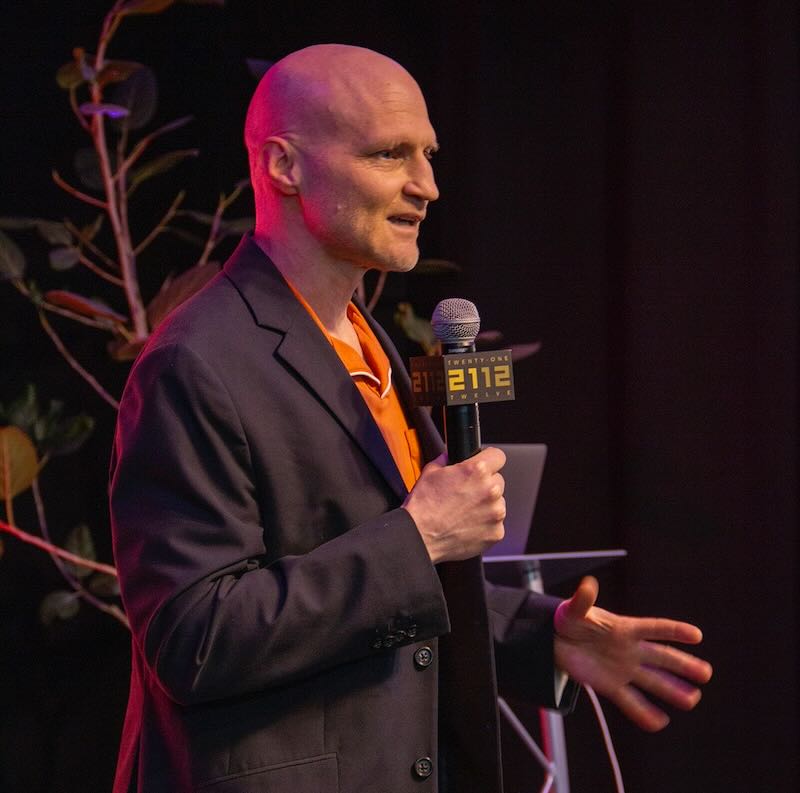
And I’m especially excited that it’s being hosted at the Lincoln Lodge, which is a gem of a venue. How did that partnership come about?
We talked to a bunch of different venues and clubs, looked at hotel conference rooms, looked at Second City—which is quite an amazing M.C. Escher painting of a location—and sometimes when you’re putting something like this together, it’s similar to making a movie. You meet the right people, and it just feels right. They were so nice, the price was right, their schedule was perfect. Everything fit. And I’ve performed there. It’s wonderful and very homey and comfy. It’s just a great place.
There’s so much scheduled—screenings, performances, workshops. Besides the Funny Awards, which we’ll get to in a moment, what are you most looking forward to about FunnyCon?
Oh, Anthony, that’s like asking me which child is my favorite. I love all of it. The workshops are such a great variety for people who do comedy in all media. There are so many great shows and performers coming. But I think what I’m most excited about is the vibe. I got that from our pre-launch event at 2112—the vibe is really cool and supportive.
There are a lot of egos and competition in comedy, and I don’t think that’s conducive to good comedy. I don’t think it’s a zero-sum game. It’s great to put heads together, join teams, and help each other. That supportive vibe is delightful.
Also, in this day and age, everything is AI. We’re besieged by robots in our computers, sequestered in air-conditioned cubicles. It’s good to be among other people and have a gathering. I’m a total introvert, but I’m also a human being, so I need some social cohesion, even if I cower from it sometimes.
And there’s also a streaming option for anyone who can’t make it to Chicago.
That was very important to me because people aspiring to be in comedy are often broke. They can’t afford a plane ticket to Chicago and a hotel. We’ve had people from other parts of the country and the world buy streaming tickets. That was important so they can be part of it as much as they’re able.
What's been the most rewarding part of setting up FunnyCon?
I would have to go back again to that idea of the vibe, this feeling of celebrating comedy together with people that you respect and like, and having this wonderful, supportive atmosphere. I get it every time we have a little staff meeting or when I talk to one of the performers or people doing a workshop. I just feel so happy to be working with these people. You don't always get that. Even in a job like The Onion, it's a company, and it's a job, and you're coming to work, but this is literally just like one annual event. It's like a celebratory gathering, so it's different. It's almost like it eliminates all the drudgery and doldrums. You only have the fun elements of it. It's wonderful.
Let’s talk about the Funny Awards. What makes it important to give humorous works their due?
Comedy is beloved by audiences, but if you put a comedy up against a movie where a developmentally disabled person cries at the end, (the latter) is going to win the award. Comedy never gets a chance. I’ve had this idea for a long time: comedy movies, stand-up comics, books, articles, websites, social media—they should have cultural recognition for the value they bring.
Once a year, on April 1st, it’s a great time to say, “These people did amazing work last year.” I envision the Funnies becoming one of the major awards, like the Webbys, Tonys, or Grammys. They’re needed. Nobody’s doing it. It’s almost embarrassing it didn’t already exist.
What do you think will be the most competitive categories?
I think TV show and movie will be competitive. There were a lot of comedies released in 2025—the general consensus in Hollywood now is that they don't make comedies, because they’ve stopped making some of the big-name, big-budget comedies, but there are a lot of independent comedies.
But I think probably the most competitive will be social media and web series, and stand-up comic, because there are so many people doing great work in those areas, and stand-up is one of those things—everybody has their Mount Rushmore, and it's going to be really cool and really fun to see where the voters come out.
The voters are comedy aspirants and professionals—it’s not a general People’s Choice situation—so we’ll find out who the comedian’s comedian is. That’s going to be a really cool thing, year over year, to have a record—you know how you can go back and look at the Best Picture or the Best Actor Oscar, how cool would it be to be able to go back and see the best stand-up comic, or the stand-up comic who won the Funny every year? That's really cool to me.
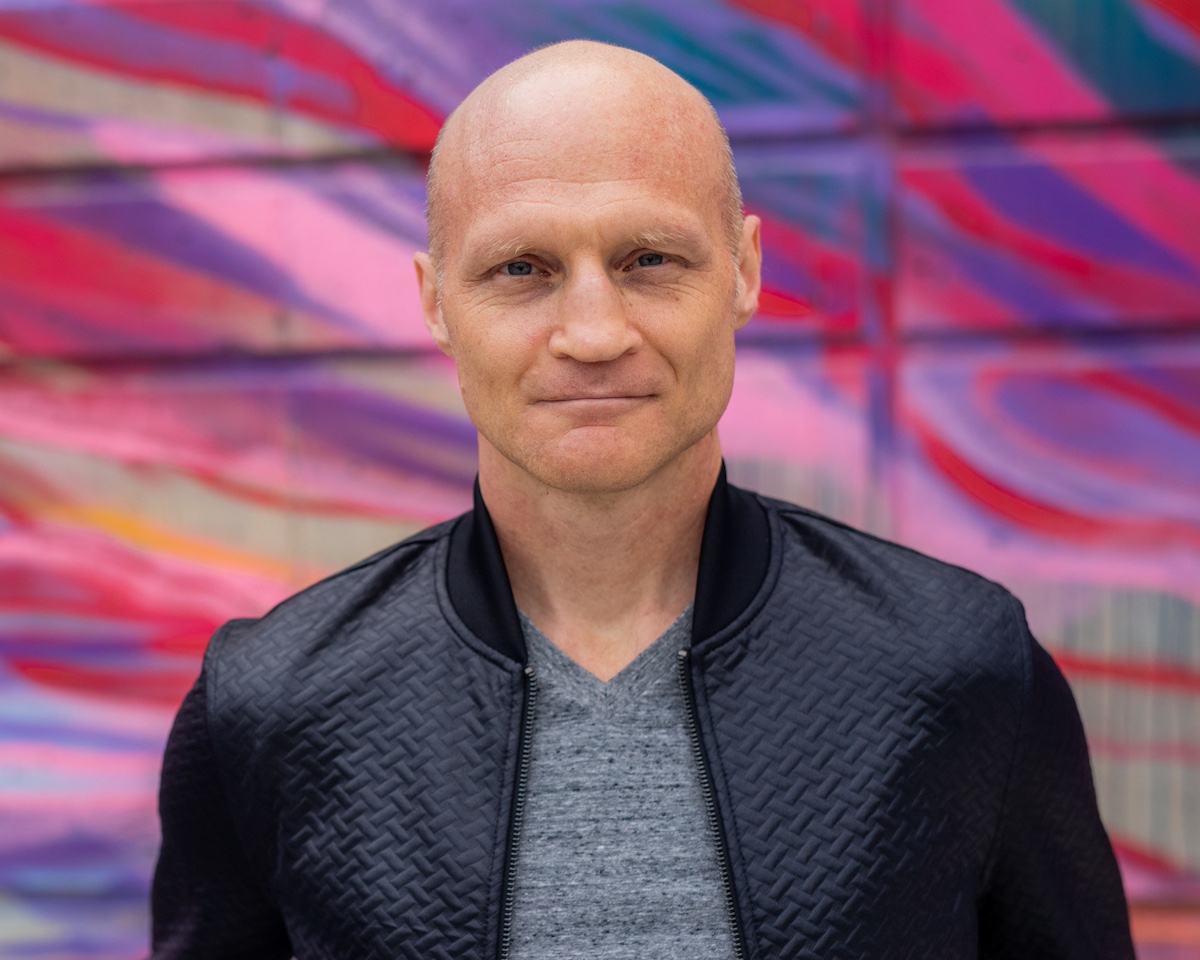
Since you brought it up, I have to ask: who’s on your comedy Mount Rushmore?
Living or dead?
All time.
I would go personally with the ones that make me laugh the hardest and are the most meaningful to me in terms of their comedy. I really haven't thought about it, but I have thought about my number one, my top pick, and that is Redd Foxx.
The reason I pick him is because he is so incredibly funny. Everything he does is funny. He just exudes funny, but also one of my criteria for Rushmore is, did you have a long, sustained career, or did you ruin it (with a scandal), and did you have a TV special or a series that was successful? Did you have movies that were successful? Redd Foxx did all those things. So many great comedy albums, a successful TV show that I watched and loved as a kid, and he didn't ruin his career.
Above all that, he fought against some really serious racism in comedy, so he had an uphill battle where somebody like Don Rickles wouldn't have had those racial impediments. That's incredible that you can overcome that when he's not even allowed to perform in white clubs for much of his career. He can't get on a major label. He has to be on the Chitlin’ Circuit. He influences Richard Pryor. He influences Eddie Murphy, so he just checks every box.
The others, Carlin is definitely one of them, and I would put Steve Martin on there, and I really, really like and appreciate Maria Bamford. I just never find her not funny. She's so underrated, but she's so unique and so original. She doesn't have the movie yet, but she's successful on TV. She's got great comedy specials. She's had a really long, sustained career, hasn't ruined it, and she also has struggles. She struggles against being a woman in comedy. She struggles with mental health, and she frequently has to take a step back because her mental health is a struggle, and so I look at that too, like what do they have to overcome to achieve such greatness? But the bottom line is: are they funny? Is everything they do and say funny to me? Right now, those are my four. It evolves.
Do you think FunnyCon and the Funny Awards will help the general audience take comedy seriously?
I think that's probably always going to be an uphill battle. Something like the Funny Awards helps, but on some level, I kind of don't want them to. Because if it's taken too seriously, then it starts to feel self-important, and there's nothing worse than when somebody's doing comedy, and they think they're important, and they start trying to say things that are really important like that. It's just suddenly very unfunny. The line between comedy and preaching is very thin, and I want to keep them church and state.
Well said. I want to talk a little about The Onion. It’s been around for nearly 40 years now. Obviously the media landscape of 2026 is very different than 1988. If you were launching something like The Onion in 2026, what would you do differently, and what would you do the same?
That's a great question. What I would do the same is I would find some niche that was not being exploited. That's what The Onion did. There was no such thing as a humor newspaper publication at that time, so coming out with that was unique. It was very fresh, very original, very different, a parody of USA Today. Nobody was doing that.
Today I would definitely be thinking about some kind of multimedia product. It would basically live on social media, and it would probably utilize AI. It wouldn't be afraid to use new technologies to promote itself, but of course the comedy would always have to be human-centered and human-derived, human-written. That's what I would do the same, and what I would do differently is it wouldn't be a newspaper.
Not to get too ahead of ourselves, but what do you envision for the future of FunnyCon?
Let's look at 10 years from now. Where is FunnyCon 10 years from now? My vision for it is very much like what the Melbourne Comedy Festival is in Melbourne. There are FunnyCon banners on all the lampposts in Chicago. There are performances of all the top comedians, top sketch performers in all the comedy clubs and venues in Chicago. It's FunnyCon week in Chicago and it's like the same thing when it was the NBA playoffs, and Michael Jordan is playing. It's such a big thing in Chicago that everybody knows about and everybody loves and celebrates. And it's simulcast on a major TV network or streaming service. That's my vision for it 10 years from now.
FunnyCon runs from March 31 through April 2 at the Lincoln Lodge, 2040 N Milwaukee Ave. Tickets ($80-$279) are on sale now.
