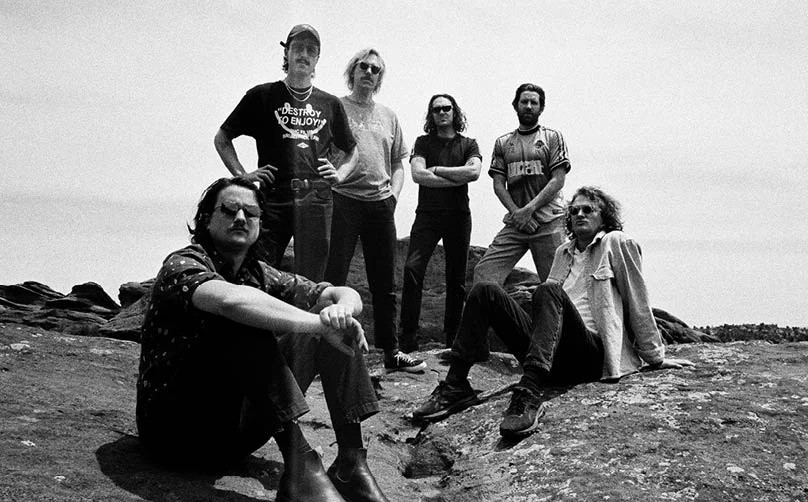
King Gizzard & the Lizard Wizard has been gracing Chicago stages for over a decade, with their earliest performances dating back to 2014 in spots like Beat Kitchen and Subterranean. To envision these spunky Australians would one day be backed by the Chicago Philharmonic at Ravinia would have taken all the psychoactive substances in the venue to believe.
Since those early days, the band has released more than two dozen records with genres spanning from garage rock to heavy metal to electronic music. King Gizzard & the Lizard Wizard isn’t a full-fledged stadium rock band just yet, but they’re playing huge venues like Salt Shed and Northerly Island while winning fans over with their generous attitude towards bootlegging and moral stances against companies like Spotify.
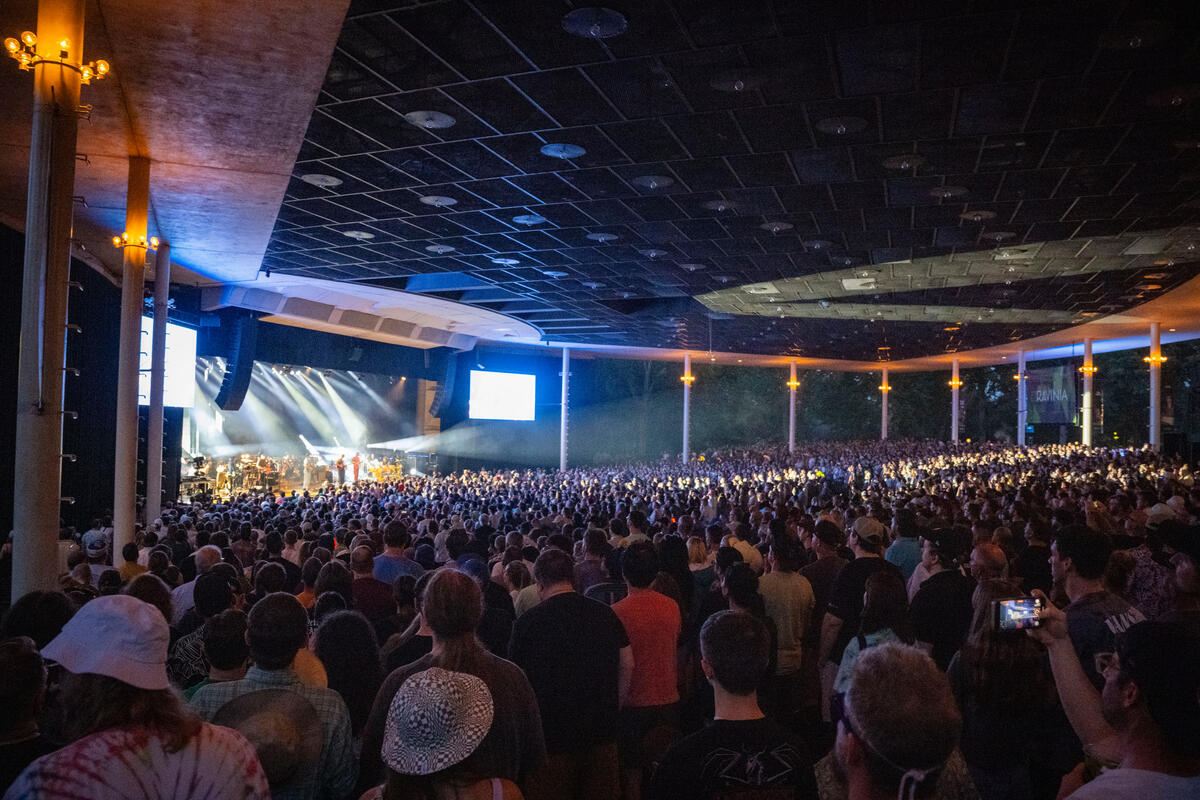
Ravinia Festival is tucked away in a leafy Highland Park neighborhood on the North Shore. It normally hosts classical performances and legacy pop acts, and it’s highly unlikely the venue has seen King Gizzard’s sort of clientele descend upon its lovely confines. Every rock fan archetype (from unwashed metalheads to woolly jam band aficionados) gathered to see one of music’s most vital live acts pull off their most audacious (farfetched?) feat yet.
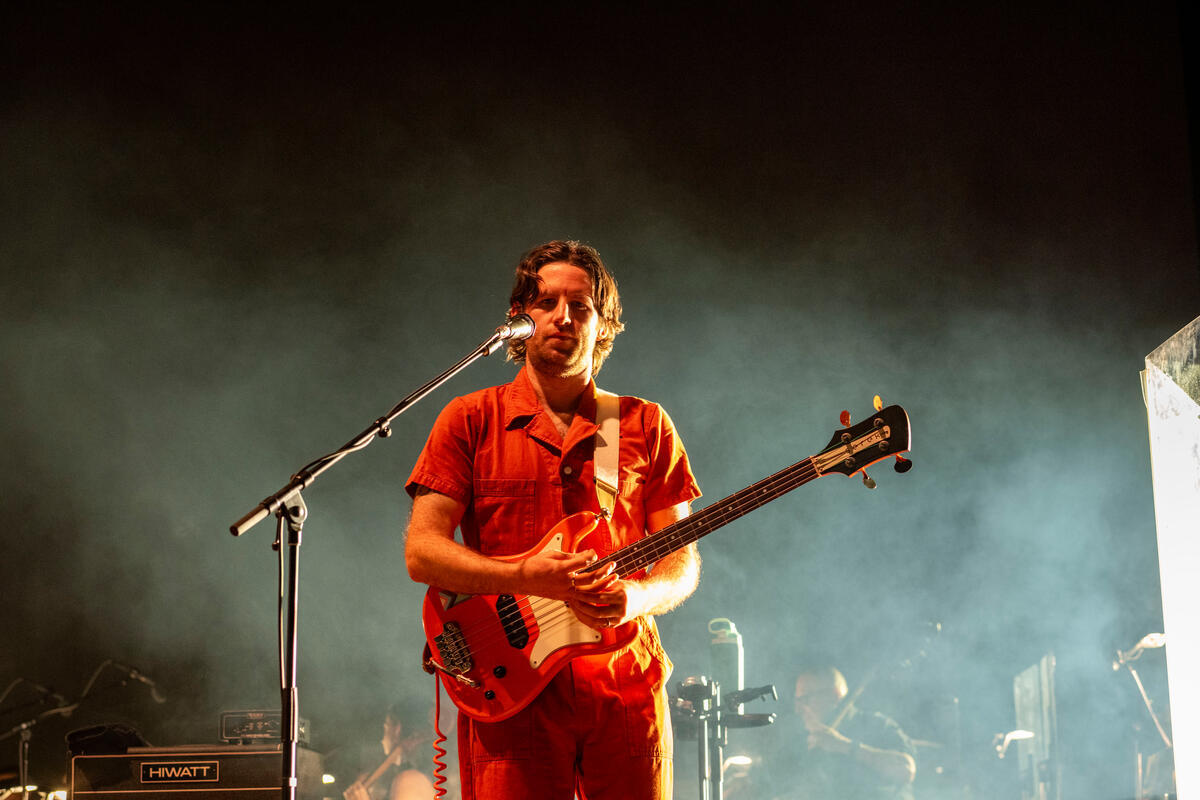
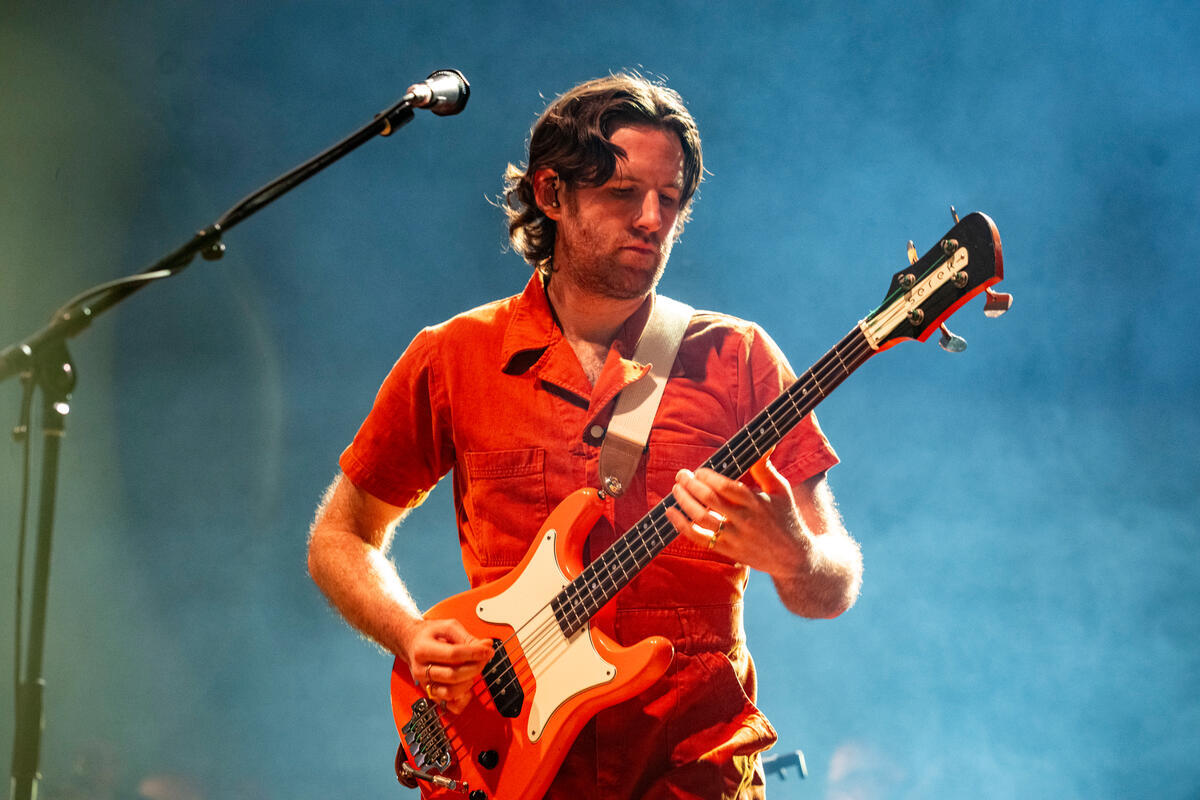
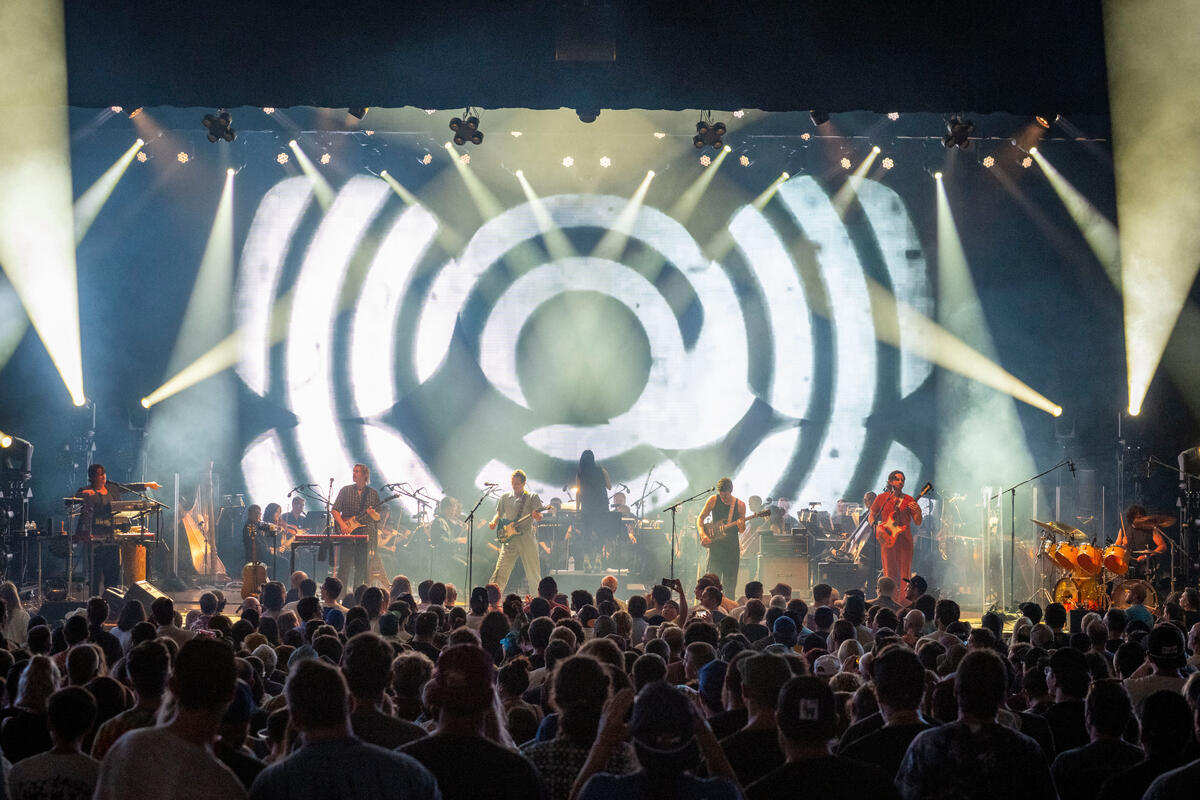
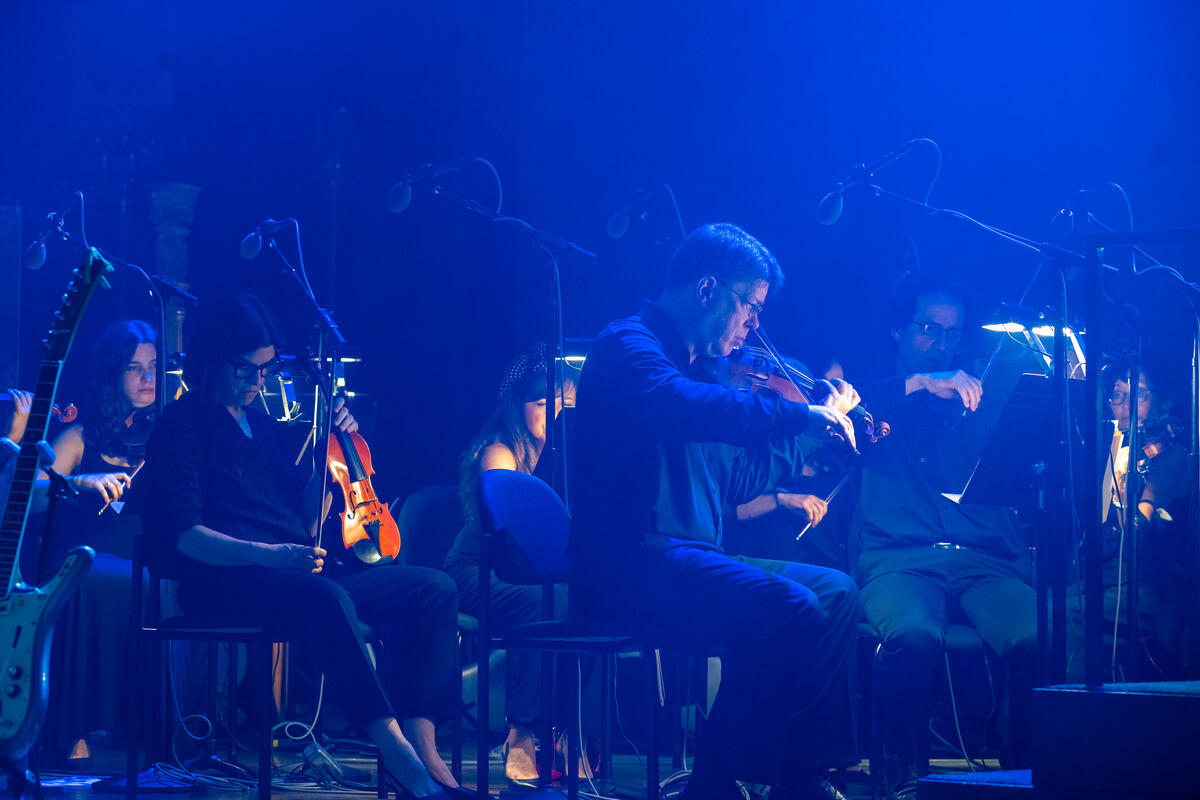
The band is touring on its 27th record, Phantom Island, which finds the Australian group expanding its sound to include orchestral elements. Presenting Phantom Island in its entirety could have been half-assed by augmenting their stage with a few string players. But that wouldn’t be in the spirit of things. Instead, the band planned a string of dates at amphitheaters where the sextet would be joined by a local orchestra.
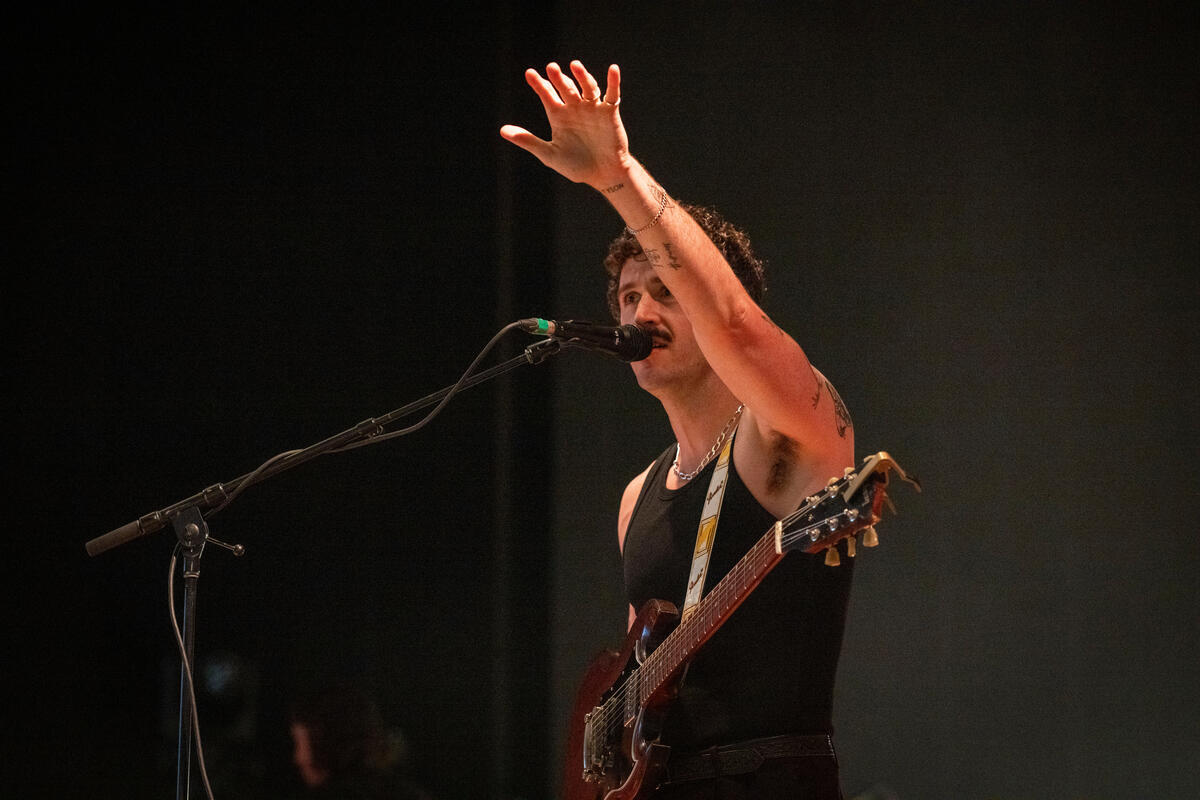
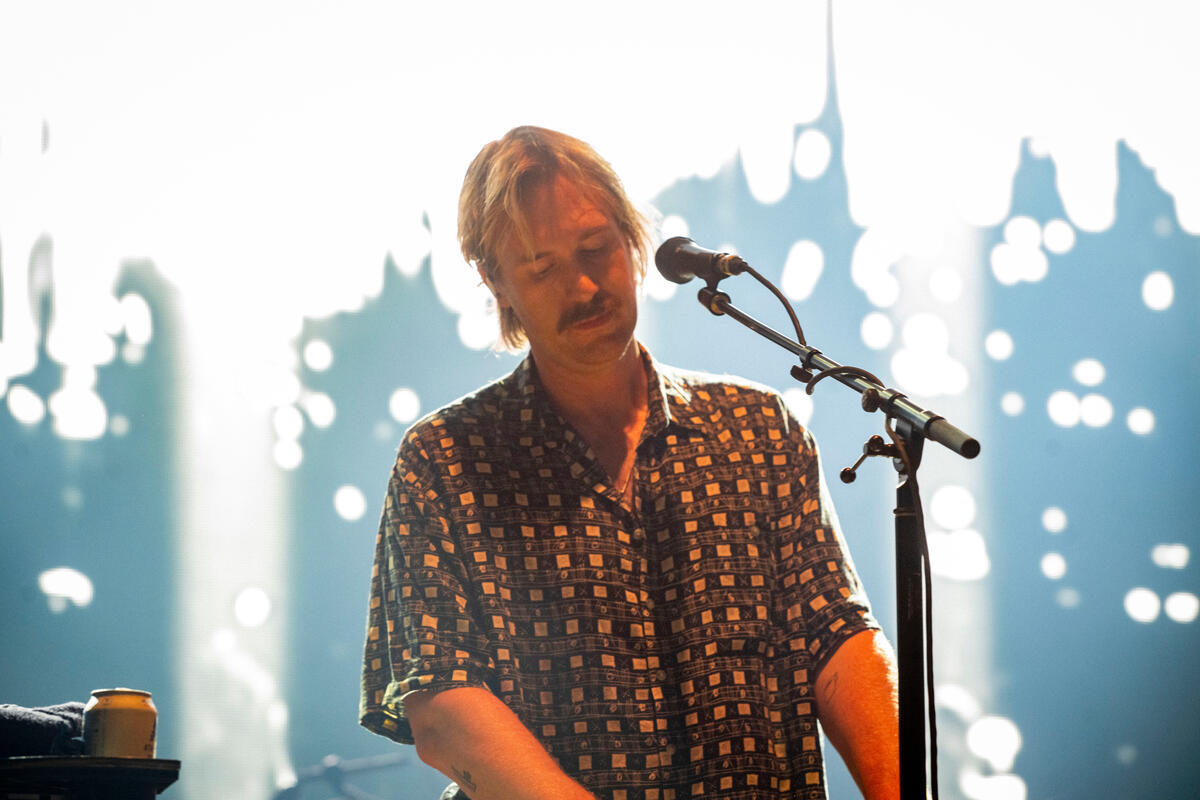
Keep in mind, this cohort doesn’t exactly need much reinforcement. There are six members of the band, with a full arsenal of musical proficiency to drive their sprawling and intricate arrangements. Ambrose-Kenny Smith is a Swiss Army knife musician tasked with everything from keyboards to harmonica to saxophone. When frontman Stu Mackenzie isn’t shredding, he treats fans to outta-nowhere flute solos (perhaps the band’s only commonality with Lizzo). There’s even a rig of synths (nicknamed “Nathan”) that the band brings out for their electronic tracks. The breadth of proficiency is admirable, but their playing ability and adventurous songwriting are what make these guys one of the most formidable rock groups today.
The batch of songs on Phantom Island is composed of material from record sessions for last year’s jam-centric Flight B741. The band really leans into softer sounds and (I daresay) even yacht rock. It would be easy to chalk this up as another notch in the band’s expansive and growing “choose your own adventure” discography, but the group achieved something both fun and interesting with this project. It’s pretty hard to nail a 10/10 when you’re releasing so many albums with this genre disparity, but quality control and perfectionism are absolutely not the modus operandi of these guys.
And as a vehicle for live music? These Phantom Island songs present a unique opportunity for the band to musically branch out even wider. The band hasn’t ever trafficked in “album play” performances in the past, but playing the orchestral record front-to-back while you have the Chicago Philharmonic on stage certainly makes logistical and conceptual sense.
The performance began with the title track, which started slowly with gentle strings before conductor Sarah Hicks (and Stu Mackenzie’s signature “whoop”) ushered in a wave of horns, guitars, piano, and percussion (and possibly harp, I couldn’t get a good look). One of the perks of catching a later date on this tour is that early kinks were likely worked out in previous stops. These arrangements could not have sounded better, and every peak or valley was colored with well-appointed flourishes from the orchestra.
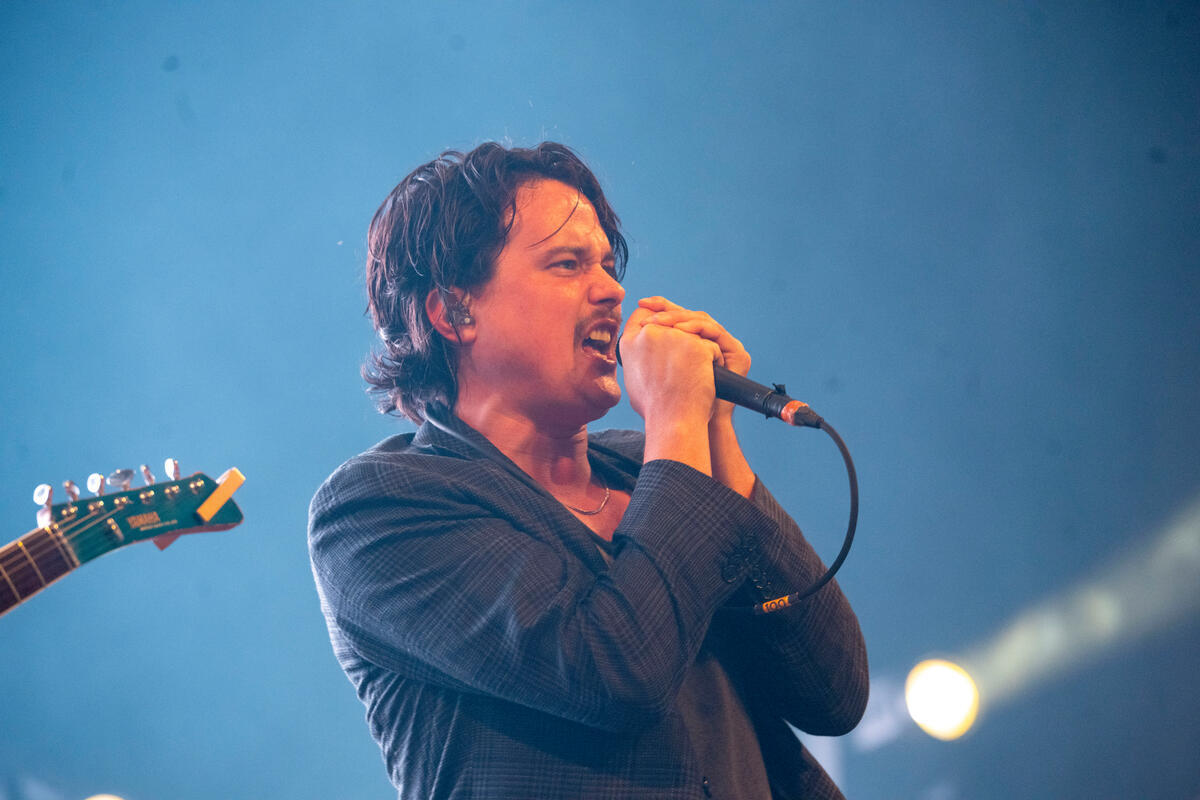
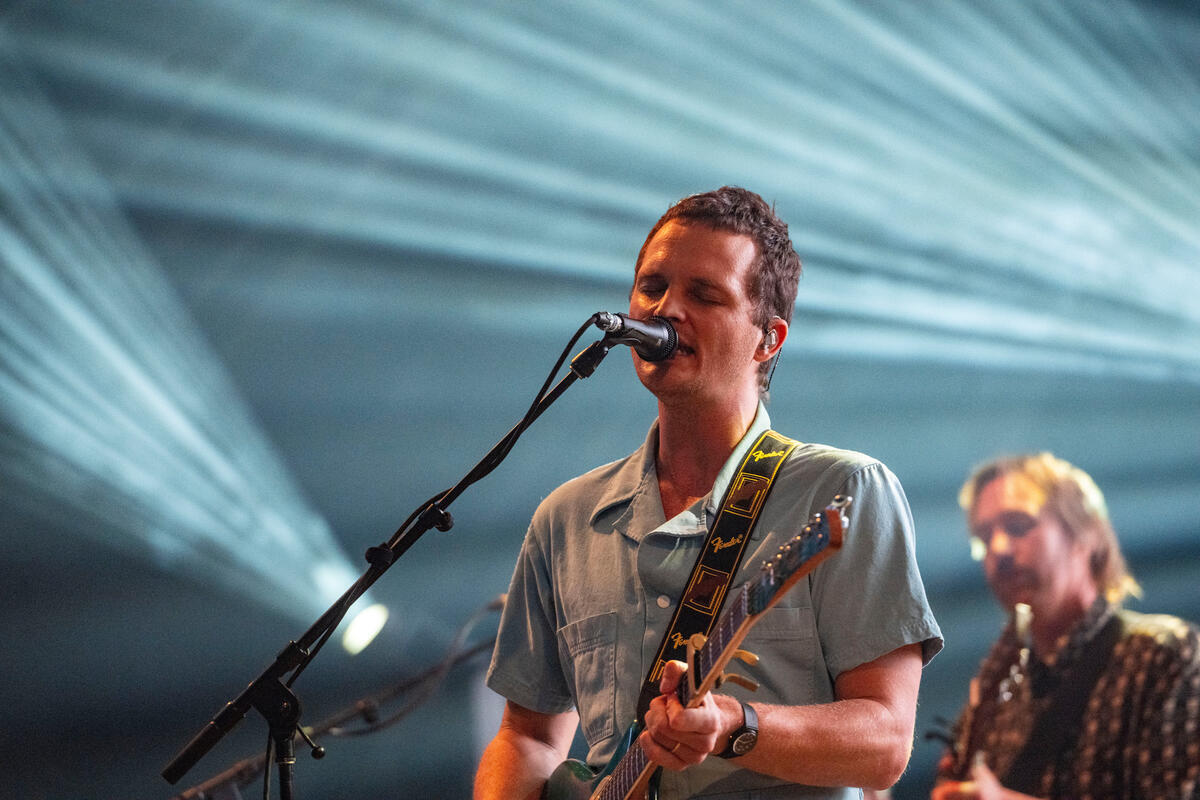
Vocal duties aren’t specific to one member of the band, but this album sees them spread more evenly between Stu Mackenzie, Joey Walker, Ambrose, and Cook Craig. This adds to the bombast of the performance, where new sounds seem to be coming from a new angle at all times. While there were times when the show sounded a bit cluttered, the arrangement allowed enough space between the orchestral elements and the band to hone in on certain moments or riffs.
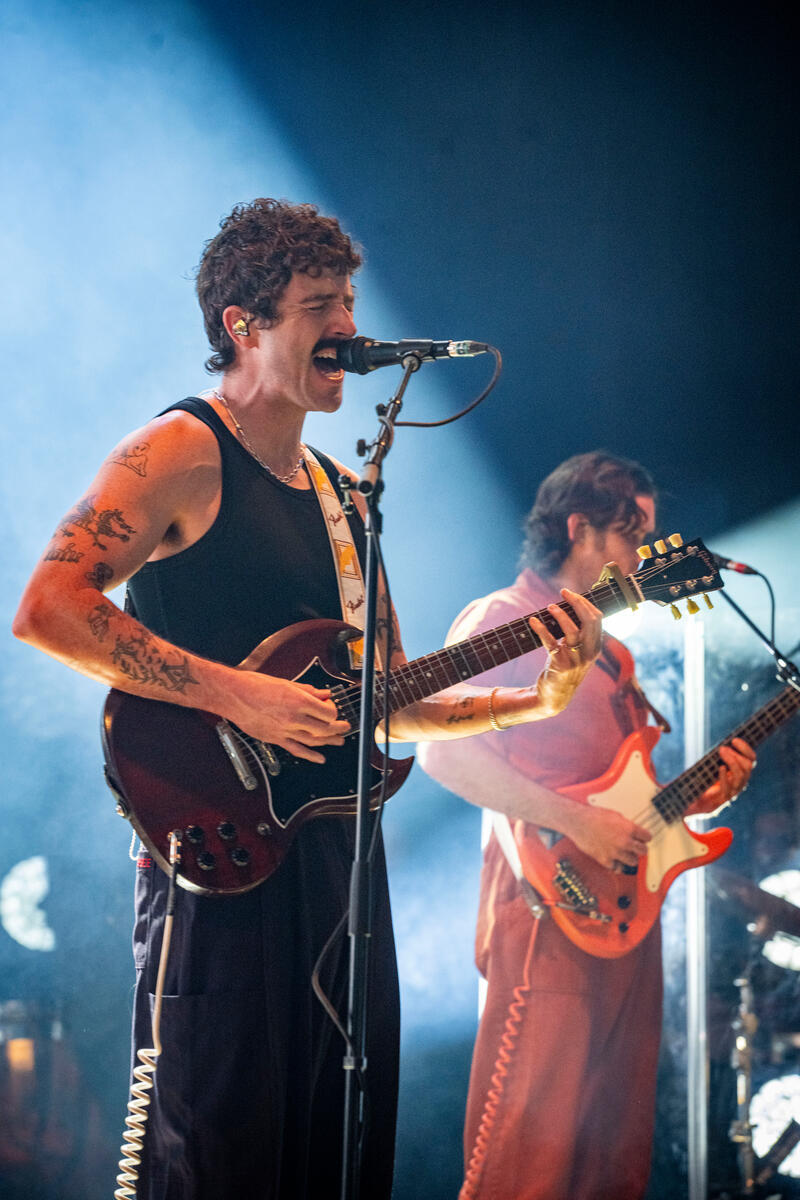
“Deadstick” is as playful as King Gizzard has ever sounded (that’s truly saying something), and Ambrose’s belting vocals set the tone for the show. With a full horn section behind him, his normal zany stage presence came off more like a 1960s showman. “Sea of Doubt” finds the band mining the bucolic sounds of 70s Americana. Gentler acoustic guitars provide the platform for vocal performances that’d be approved by your Last Waltz-obsessed uncle.
“Pansych” features multiple vocalists trading off soulful crooning alongside the tastiest guitar licks of the evening (thankfully uncrowded by the orchestra). If anything, the pillowy strings enabled the band to lead into “Spacesick” cohesively. These aptly named tracks are where these guys will appeal to their jam band fan base.
“Bye-bye, Shanghai. Grow wings and fly,” Mackenzie chirps as the band begins to bid farewell to Phantom Island. The live version of the album's closer is more uptempo, with sloping soundscapes provided by the strings keeping pace with the band. They let the song breathe as the band took time to thank the orchestra and crowd (with plenty of noodling).
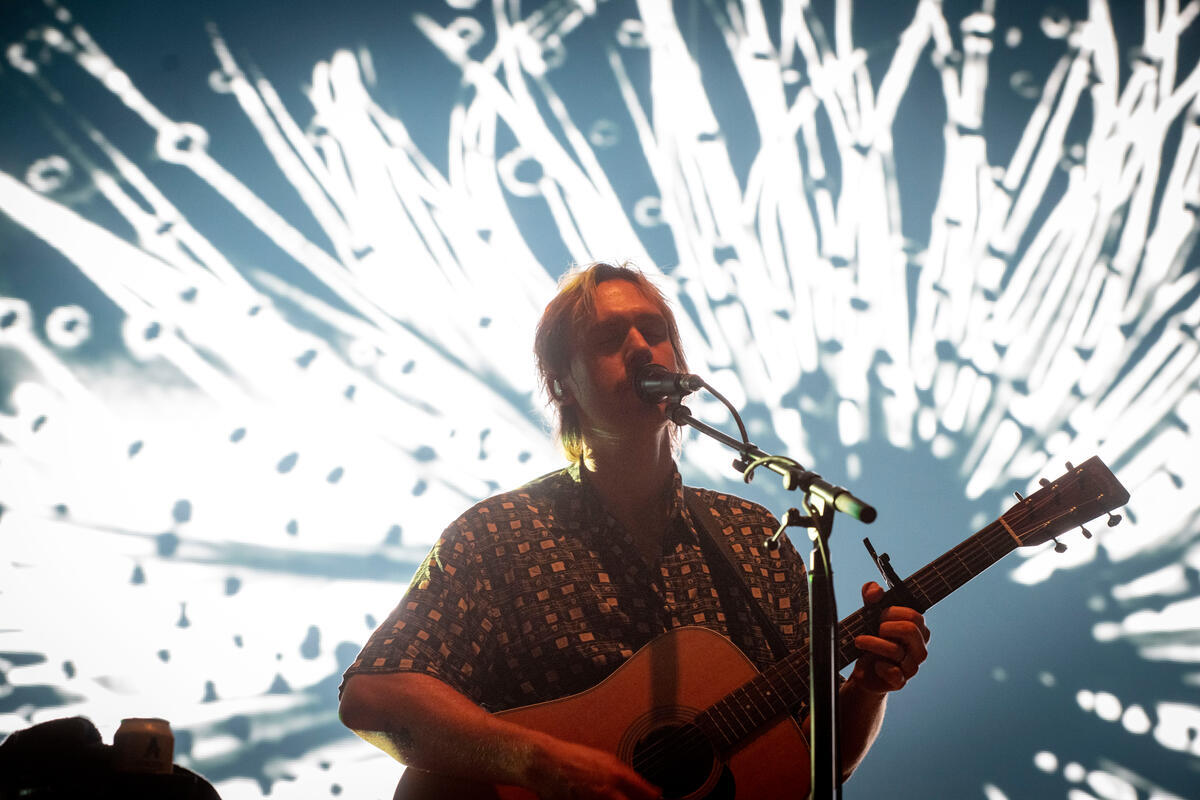
Once Phantom Island was complete, the Chicago Philharmonic took a break, leaving just the six Aussies on stage. longtime devotees were treated to a selection of the band’s most popular songs, in the form of one long jam starting with “Theia.” One of King Gizzard’s electronic tracks, this reimagined version with guitars was a pleasant surprise, and it led into nuggets from “Vomit Coffin” and “Field of Vision” during the loose and winding jam. It was the closest they got to their normal live sound, and even the projection screen erupted in color with familiar psychedelic lo-fi imagery from their normal live shows, along with some newer illustrations.
“The River” might be the most orchestra-ready song in their back catalog. After an extended lead-in with intricate guitar melodies that, like the song’s namesake, wind and bend before a waterfall of shredding and orchestral cacophony. The prog explorations of “Crumbling Castle” find the group striking a balance with the labyrinthine guitar harmonies and the orchestra by carefully introducing strings and expanded percussion. This is where Stu Mackenzie’s fanciful world-building comes to life on a much grander scale than ever before.
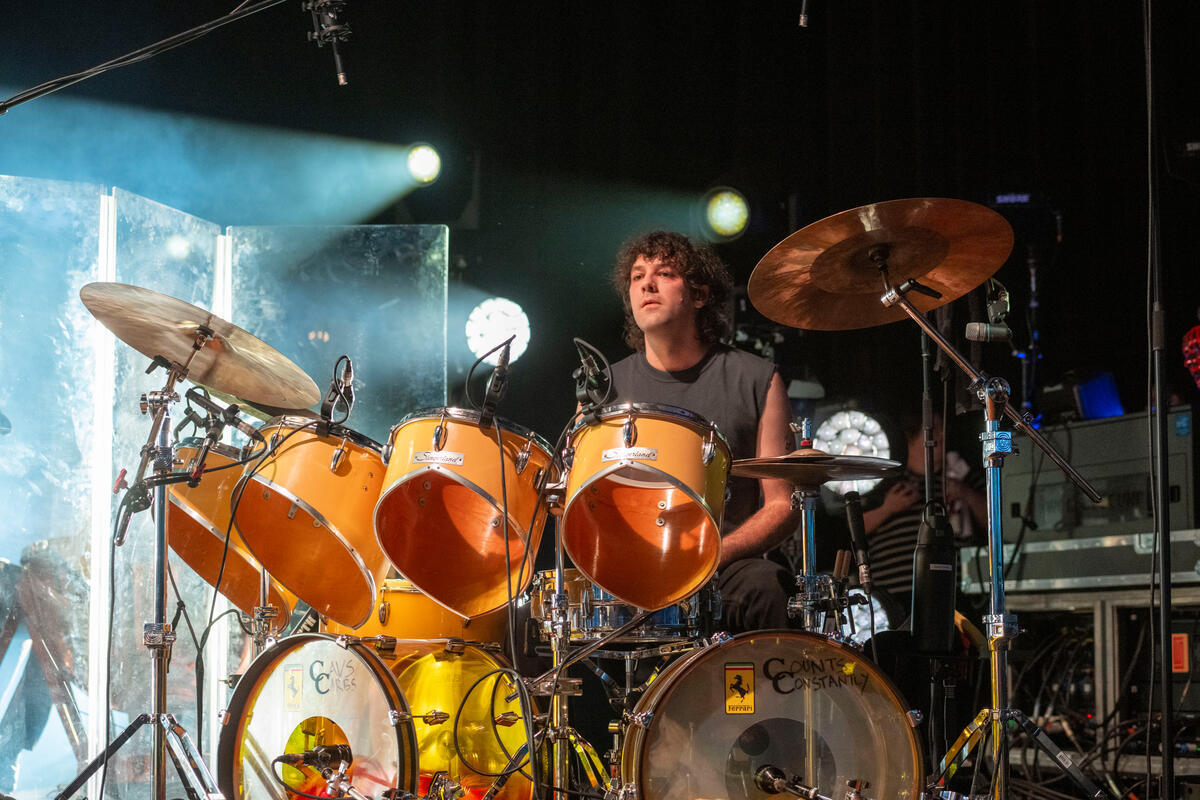
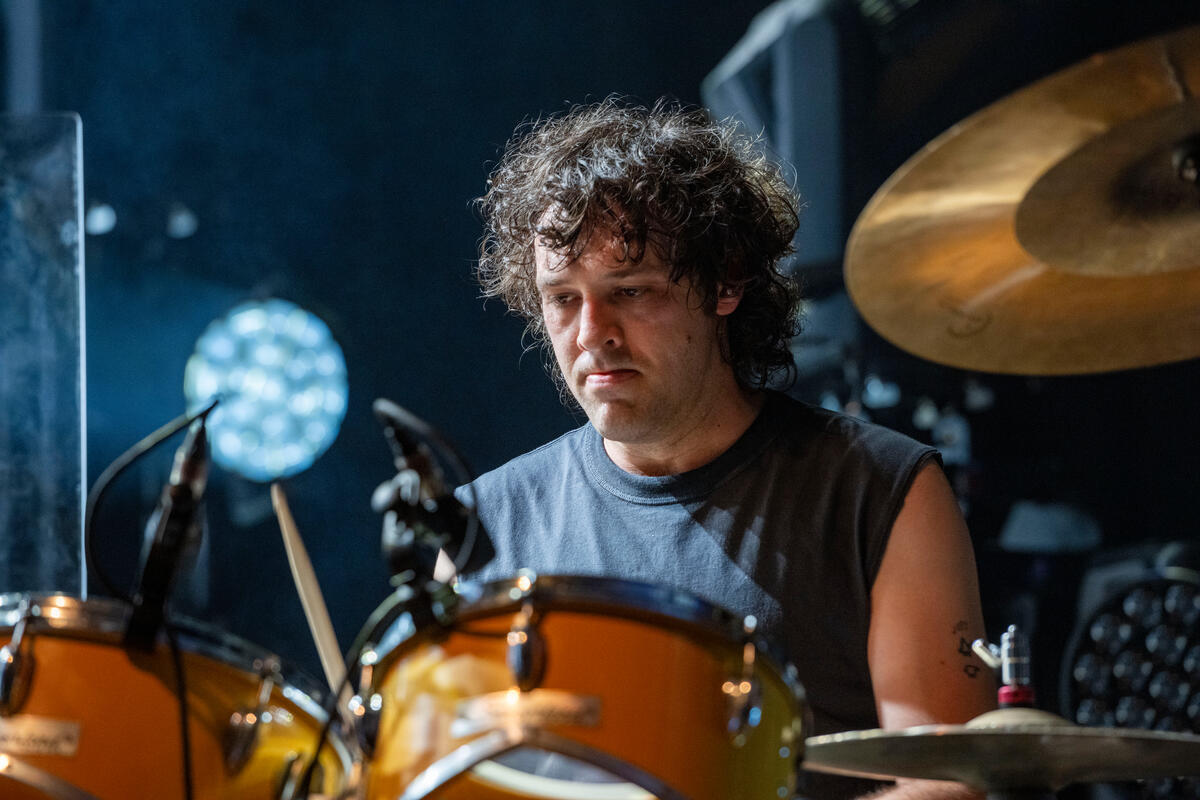
It wouldn’t be a King Gizzard show without some metal, and fan-favorite “Mars for the Rich” absolutely brought the house down. It’s not hard to imagine Ravinia’s first-ever mosh pit erupting in the rowdier corners of the lawn. The orchestra players, more accustomed to running back Beethoven and Mozart classics, comported themselves well in the face of this particular environmental apocalypse-themed thrash metal. “Dragon” followed, with some of the most ferocious drumming and heaviest performances of any King Gizzard song.
While the Chicago Philharmonic’s textures were ever-present, the second set’s songs sounded much closer to the band’s standard performances than the Phantom Island material. It never felt disjointed at all. There were moments when the orchestra played familiar hooks that sounded a little too like the music at an award show (King Gizzard are due, but for what genre??). But for the most part, these masters of woodwind, string, and other classical instruments were precise when they needed to be and loose when the songs called for it.
One of the most climactic songs in their vast catalog came next. The expansive arrangements on “Iron Lung” were the perfect template for this moment. Guitar interplay (along with perhaps Ambrose Kenny-Smith’s feverish vocals) propelled the song toward its peak, fully accentuated by the soaring strings and horn section. While the song’s themes and sounds certainly aren’t, the song (and set) culminated in a sense of triumph.
This band is at its best when even a longtime fan is surprised. And the Phantom Island tour could prove to be a lasting achievement in their catalog. The orchestral phase appears to be winding down, at least for now. The band is putting on their own festival in Colorado, with a few more shows out west later this month. After that, they’re bringing their electronica to Europe for a string of “rave shows” before returning to Australia for (surprisingly rare) dates at home.
After that? It’s hard to predict what’s in store for this band. There are more genres to explore. Their crowds are growing, as is the band’s onstage musical prowess. The ever-expanding nebula of King Gizzard & the Lizard Wizard feels impossible to pin down. The only thing you can safely rule out is something boring.
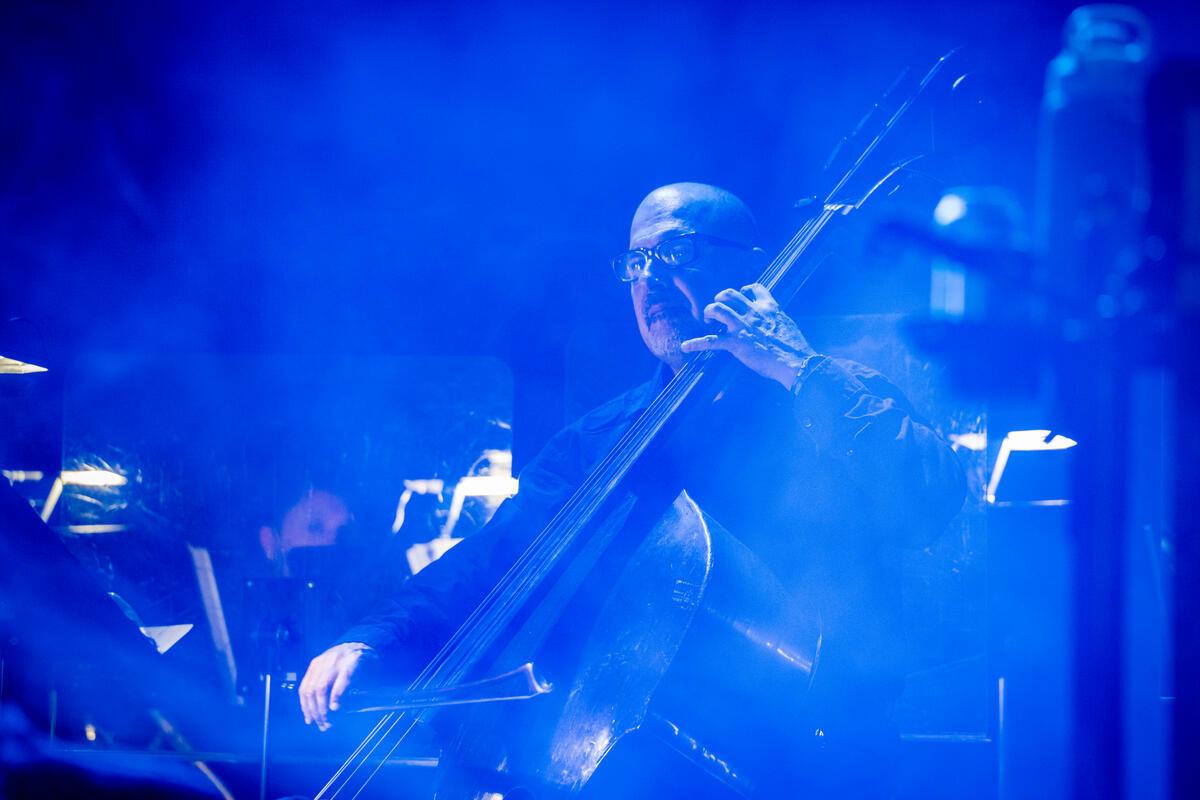
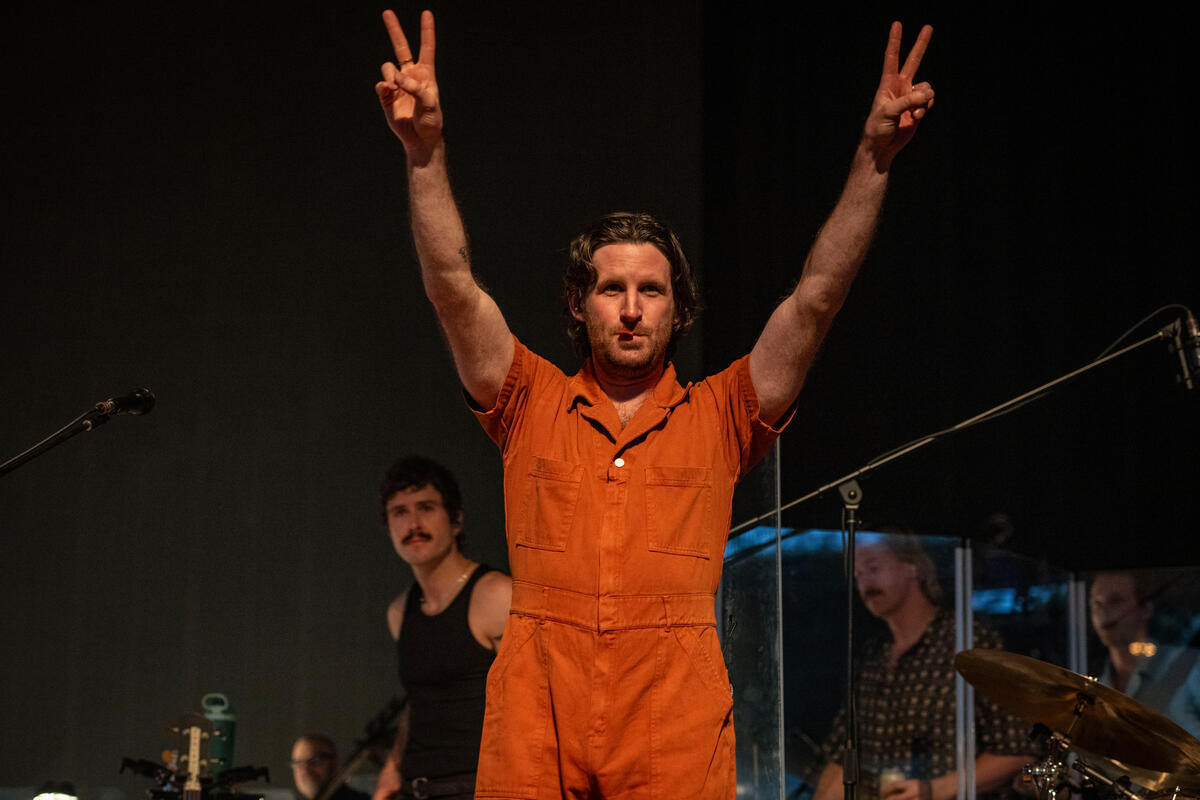
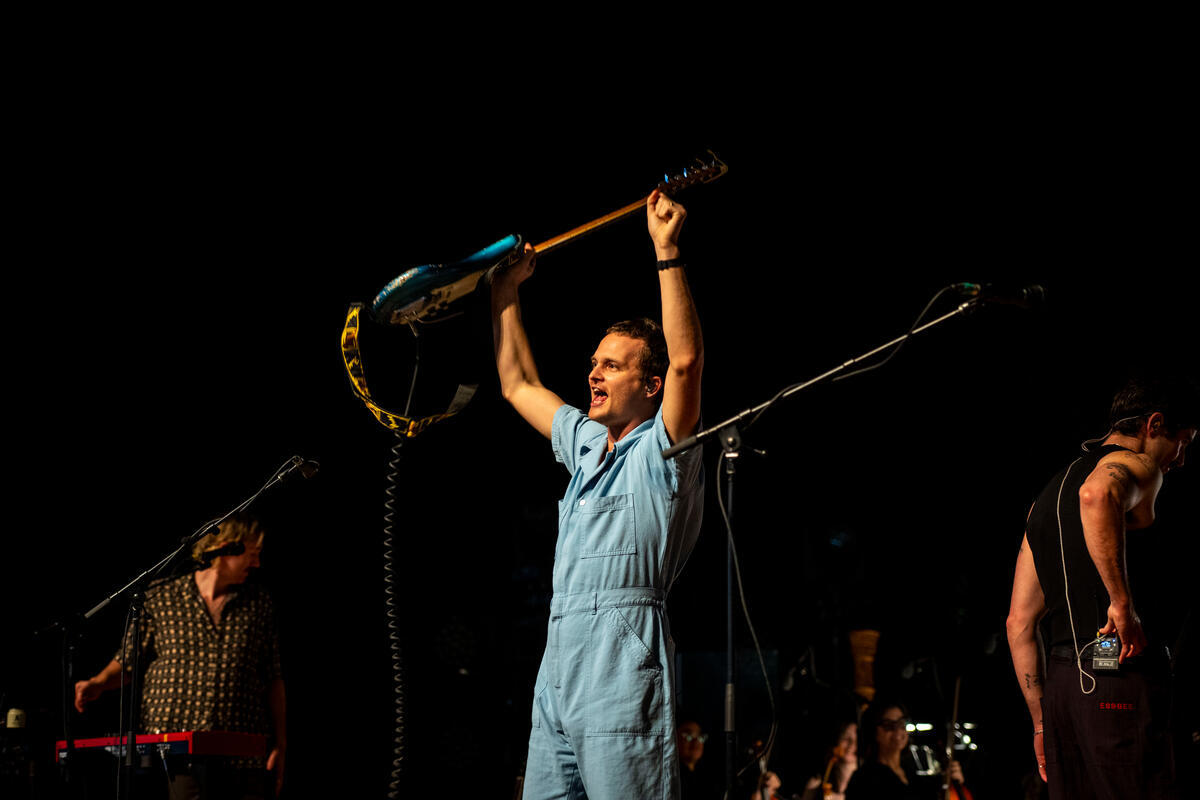
Photos by Kyle Dunleavy / Ravinia Festival.
