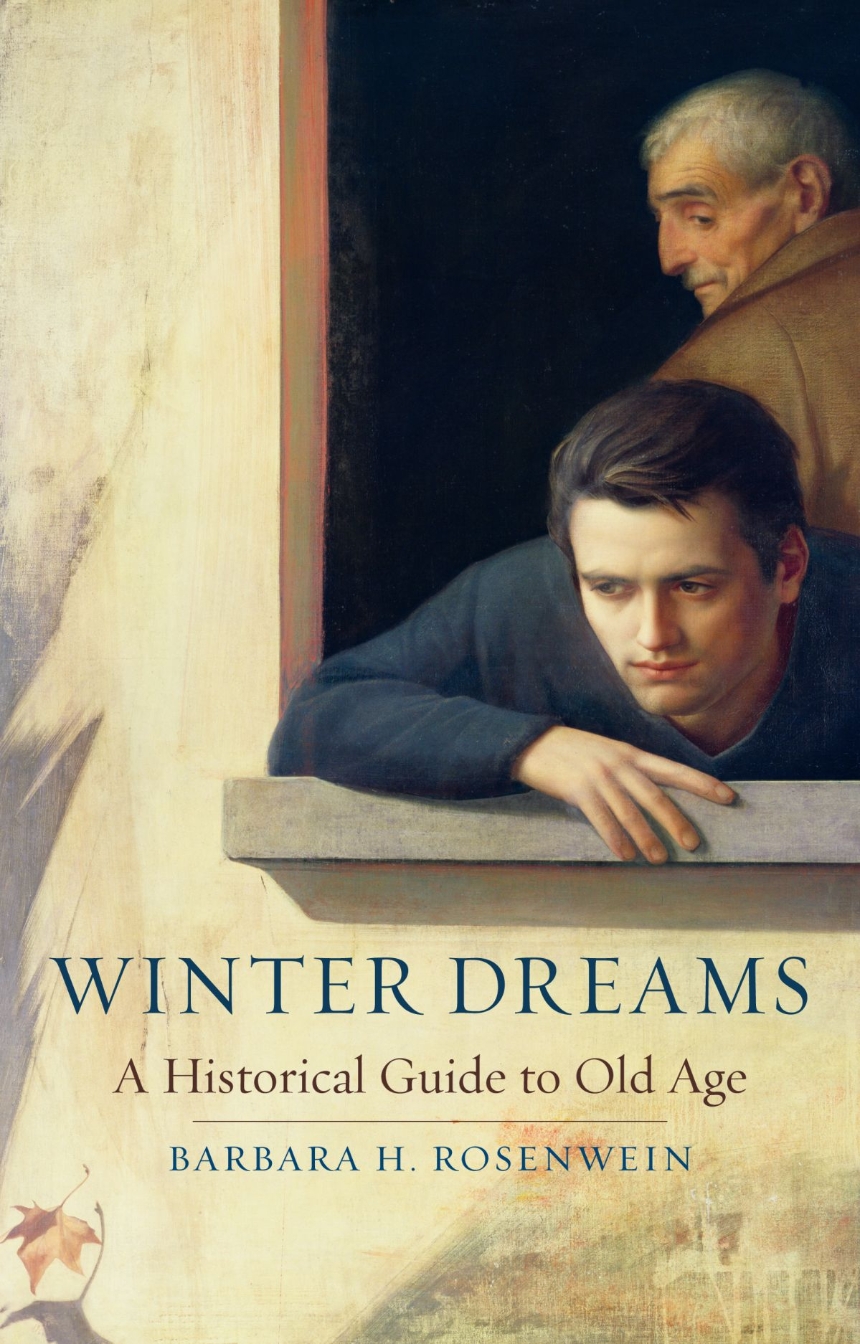
Barbara H. Rosenwein’s Winter Dreams: A Historical Guide to Old Age is a deep dive into the feelings humanity has held towards older adults over the last two millennia—as seen through a literary lens. Rosenwein explores ancient texts—plays, poems, philosophical essays, and infamous epics—dissecting the attitudes various cultures (primarily western cultures) have had surrounding aging.

Humanity has always oscillated between valorizing the older population or marginalizing them. While aging is a universal human experience, Rosenwein focuses on the emotional weight it carries. Age is not just a biological time stamp; it provides humans context related to wisdom, strength, purpose, and more. Its significance helped shape social, religious, political, and economic norms, which Rosenwein closely evaluates starting in ancient Greece, ancient Rome, and ancient China.
The way three ancient societies had contrasting views on old age is quite interesting. By studying Greek comedies and tragedies, Rosenwein came to the conclusion that ancient Greek societies viewed the elderly as a source of entertainment. They used stereotypes to poke fun at this specific age group, turning them into caricatures and clowns.
Meanwhile, ancient Rome tended to view their older persons with a sense of authority and power as they lived in a patriarchal society. They seemed to have more of an acceptance to aging as it typically partnered with achieving greater authority and respect from the youth. We receive an example through the voice of Seneca. “Seneca accepts his old age, makes the best of it and advises Lucilius to do the same. When he writes lines for Oedipus, he makes clear that never getting old is the most terrifying punishment of all. So read, study, and when the time comes, face death with the wisdom that you worked toward all your life” (Rosenwein, 83).
Rosenwein briefly touches on how Ancient China highly respected their older persons and how it became a custom for younger generations to take on the responsibility to care for them.
As time went on, the middle ages brought about the idea that old age was tied to wisdom and spirituality (as long as they weren’t too frail). As soon as one became "frail," they were viewed as lesser in society. That viewpoint remains true within modern American culture. Today, old age is filtered through the concepts of independence, productivity, and consumerism. The more independent, productive, and contributing one is to the economy, society views them as “young old,” whereas the opposite remains true. Society generally looks down upon the elderly that are reliant on government systems.
Barbara H. Rosenwein is a pioneering historian whose books explore the many ways in which human groups have experienced, valued, and expressed emotions over time. Winter Dreams: A Historical Guide to Old Age is an interesting and educational glimpse into a typically overlooked group.
Winter Dreams: A Historical Guide to Old Age from Reaktion Books is available in bookstores and through the University of Chicago press website.
