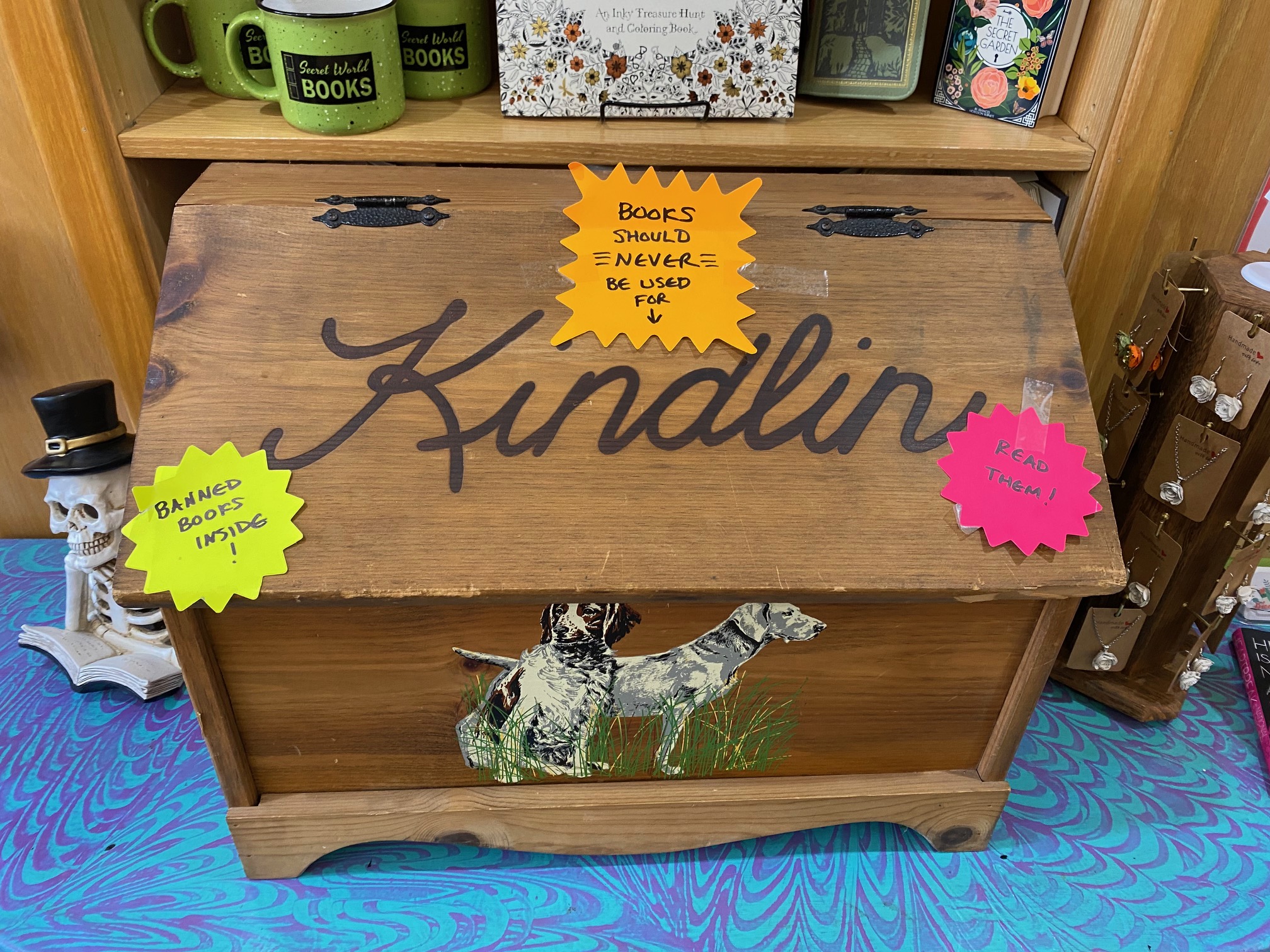
It’s Banned Books Week, and while it’s not a week to celebrate, per se, it’s one to faithfully observe. Those who would ban books offer different reasons for their desire to remove them from libraries, schools, stores, and others’ shelves—morality, patriotism, and defending the truth (as they see it) are most frequently cited. Most often, the most common and seemingly inarguable excuse they give is to protect the children—will no one think of them? Rarely though are the kids themselves consulted as to whether they’d like to make up their own minds. While it’s probably not feasible, advisable, nor terribly productive, to distribute copies of American Psycho and Naked Lunch to first graders and request their critical opinions, I’ve asked several authors and publishers to share their memories of encountering banned books as kids. Whether the books were challenged by a local parent group or their own parents, most seem to have survived, mentally intact, and grew up to be writers themselves. Funny how that happens.—Dan Kelly
Nancy Bishop, TCR Publisher and Theater Critic
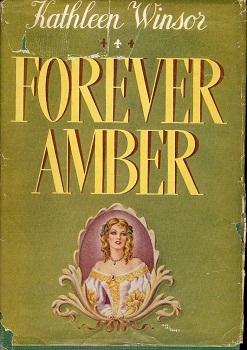
My parents weren’t literary people. But in the era before television—yes, there was such as era—people read or listened to the radio for entertainment. My parents read two newspapers a day (The Tribune and the Daily News) and Life Magazine every week. And occasionally they read books. My father had a set of Bret Harte books and I remember he liked to read Westerns too. My mom read popular fiction. When I was about 10 or 11, I was already an avid reader of everything I could get from the library. One day, I noticed my mom was deeply engrossed in a book and I asked her what it was. She said, “Oh, it’s just a story, you wouldn’t like it.”
At my first opportunity (when she wasn't around), I started reading it. The book was Forever Amber by Kathleen Winsor, a book about an orphan girl named Amber who (I figured out later) slept her way up through English society. Mom came home and found me with the book, grabbed it away from me and hid it somewhere. Of course, I found it, read some more at several times when she was away. I couldn't figure out why she was keeping it from me. Either I didn’t get to the naughty bits or I didn’t recognize them when I did.
It turns out that Forever Amber was officially a banned book. It had some great reviews and was made into a film in 1947. Fourteen US states banned it as pornography, but 11-year-old Nancy apparently didn’t recognize pornography when she read it. It was a very long book and I soon got tired of it and returned to my public library finds, which were mostly Greek and Roman mythology and sometimes baseball histories (I had become a baseball fan and my dad was teaching me how to keep a box score when we listened to the Cubs on the radio).
I had at least one other brush with banned books when Third Coast Review held a night of readings from banned books in 2017. I proudly read a juicy excerpt from Tropic of Cancer by Henry Miller. The passage was about a trollop named Germaine, who Miller met on a Sunday afternoon on the Boulevard Beaumarchais, and what happened when they went to a five-franc room on the Rue Amelot. The details were graphic. My mom would have been appalled.
Nancy S. Bishop is Publisher and Stages editor of Third Coast Review. She’s a member of the American Theatre Critics/Journalists Association and a 2014 Fellow of the National Critics Institute at the Eugene O’Neill Theater Center. After 35 years in corporate marketing for Chicago professional services firms, she now writes about film, books, art, architecture and design as well as theater. Follow her on Bluesky @nancyb and Facebook.
Gayle Brandeis, Co-Proprietor of Secret World Books in Highland Park
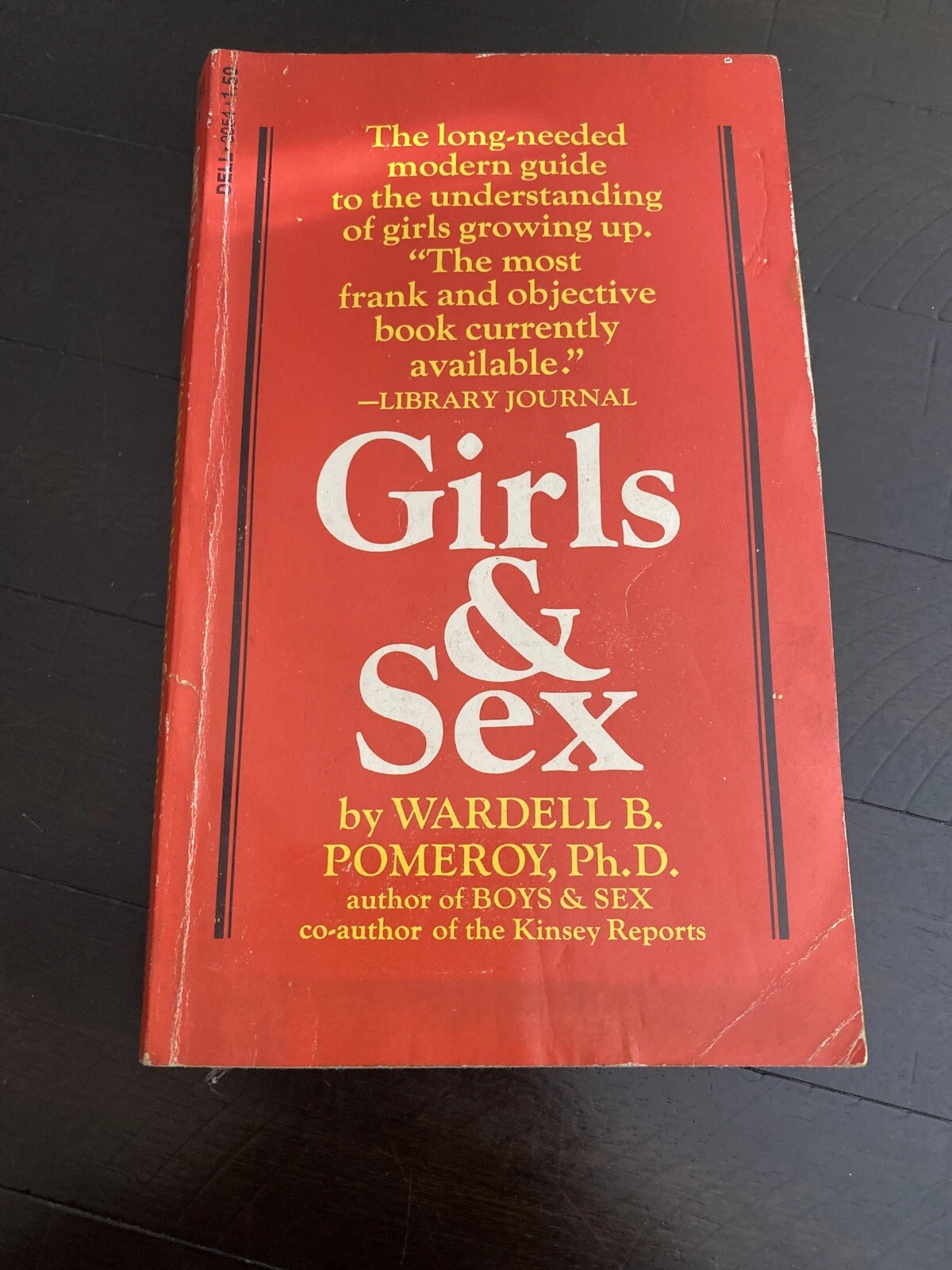
I found the book in my parents’ closet, poking out from beneath my mom’s floppy burgundy hat on a tall shelf, when I was around 12. She had likely tried to hide the book, but the cloth cover, stripped of its dust jacket, was bright green, and hard to miss. The title along the spine—Girls and Sex—stopped me in my tracks. I reached for the book tentatively, as if it might burn me. It kind of did. I only read a few furtive passages, anxious I’d be discovered. One said something about a “sex flush,” which I took to mean a red face that would let everyone know you’d just had sex. Mortifying! I quickly shoved the book back where I’d found it. I wondered if my mom would ever present it to me, but (to my confusion and relief) she never did. I don't know whether she’d bought it with a plan to try to help her daughters or to understand us. Whatever her intention, the fact that the book was hidden away made both it, and sex, feel shameful and terrifying to me. When books are hidden or outright banned, when the information in them is hidden or outright banned, it can lead to so much shame and fear.
I still haven’t read Girls and Sex (the oft-banned 1970 book by Wardell B. Pomeroy, not to be confused with Peggy Orenstein’s more recent book by the same name). Apparently, Pomeroy’s book has some cringe-inducing sentences like "Much as feminists may deplore it, appreciative whistles from strangers on the street or from passing truck drivers are trivial” but of course that’s not why the book had been challenged. I’m grateful there are better books available now for kids to understand their bodies and sexuality in a positive and affirming way—titles like It's Perfectly Normal: Changing Bodies, Growing Up, Sex, and Sexual Health written by Robie Harris and illustrated by Michael Emberley and Let’s Talk About It: The Teen's Guide to Sex, Relationships, and Being a Human, written and illustrated by Erika Moen and Matthew Nolan. Of course these books are among the most challenged now, too. As a bookstore owner today, it’s important to me to carry books that people in power have deemed dangerous. Books that can open eyes and hearts and minds. Books that can help people understand what it means to be human beings in all our messy, complicated, embodied glory. Books that can take what’s hidden and bring it into the light.
Gayle Brandeis is co-proprietor of Secret World Books (read about the store in the Chicago Tribune!) Learn more about her books and other writings at gaylebrandeis.com.
Bob Calhoun, Writer
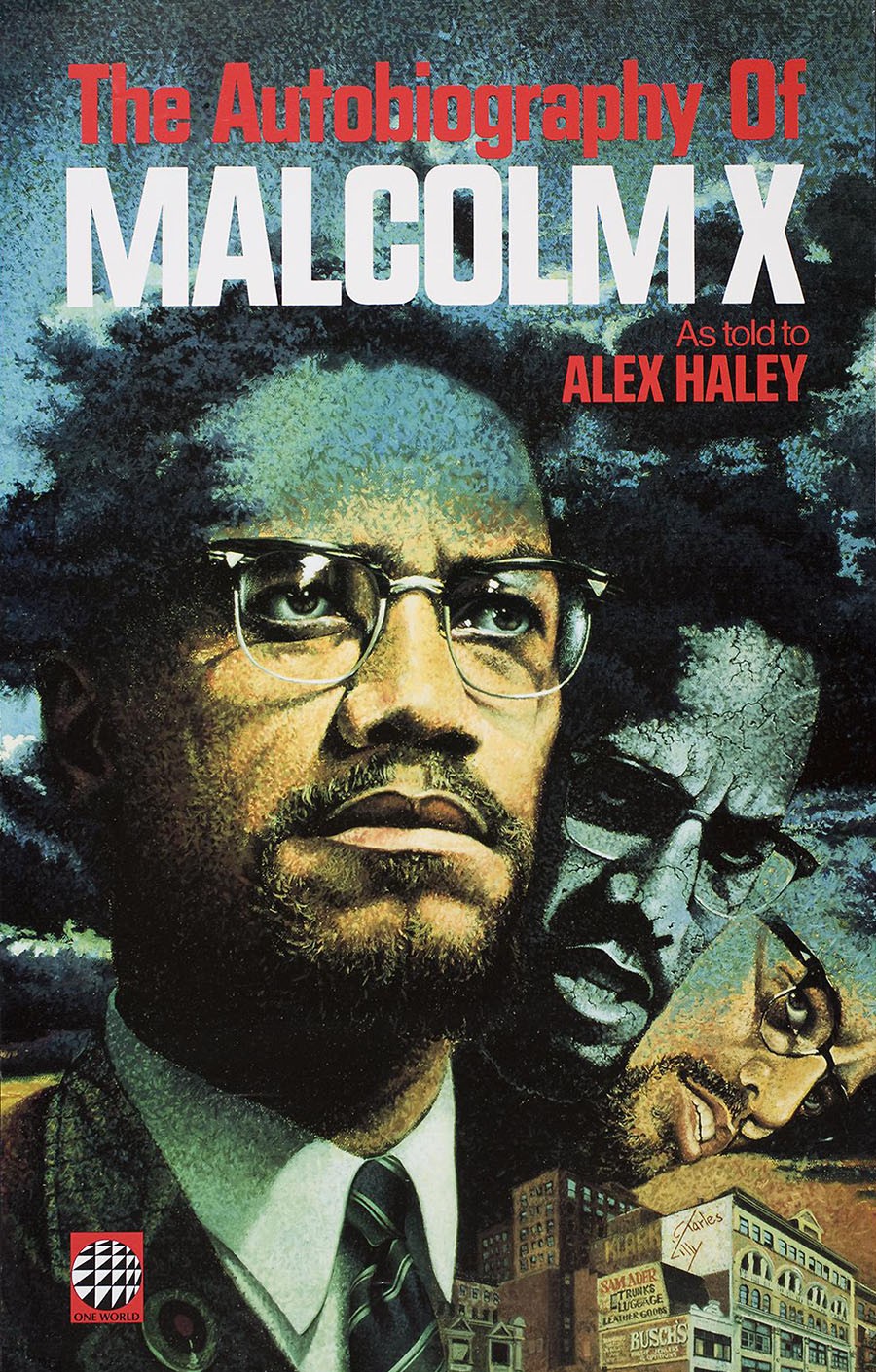
It was like a box of contraband, or at least forgotten knowledge. I was rummaging around a back room at my high school when I found a dusty box packed with copies of the Ballantine mass-market paperback of The Autobiography of Malcolm X. The book had not been banned at Menlo Atherton High School, 30 miles south of San Francisco, circa 1986, but it had long since been removed from the curriculum. I was drawn to it by the Charles Lilly cover illustration showing the face of a solemn, bespectacled Malcolm X looking to the future, with an angrier Malcolm to the right of him, and another determined Malcolm to the right of that. Seeing that the book had been cast into purgatory, I helped myself to a copy—stole it really—but any sins I may have committed were washed away because I read it.
The pulp fiction pleasures of the first chapters about his early life as a pimp, hustler and numbers runner hooked me, but the account of his political, spiritual and intellectual transformation are why I still think about the book today. Detroit Red, the smalltime crook, was transformed into Malcolm X, the religious and political leader by Elijah Muhammad, leader of the separatist Nation of Islam. He then becomes el-Hajj Malik el-Shabazz during his pilgrimage to Mecca in the early 1960s, which leads to his disillusionment and split with the Nation. “How is it possible to write one's autobiography in a world so fast-changing as this?” he asks in a letter to his co-author Alex Haley. But he manages, even though he was living on borrowed time. The book was published in October 1965, just months after his assassination by members of the Nation of Islam, depriving the world of the benefit of his future transformations.
I now work at San Francisco State University where a mural of Malcolm X next to Caesar Chavez looks down on me from above the doors of the Student Union building. Last week, I saw a young woman carrying a copy of that familiar mass-market paperback with that Charles Lilly cover. The man may be gone but the book carries on.
Bob Calhoun is a Northern California author, journalist, and former wrestler and peepshow emcee. His punk wrestling memoir, Beer, Blood & Cornmeal: Seven Years of Incredibly Strange Wrestling is a national bestseller. His latest book, The Murders That Made Us, tells the history of San Francisco through crime.
Caroline Macon Fleischer, Author
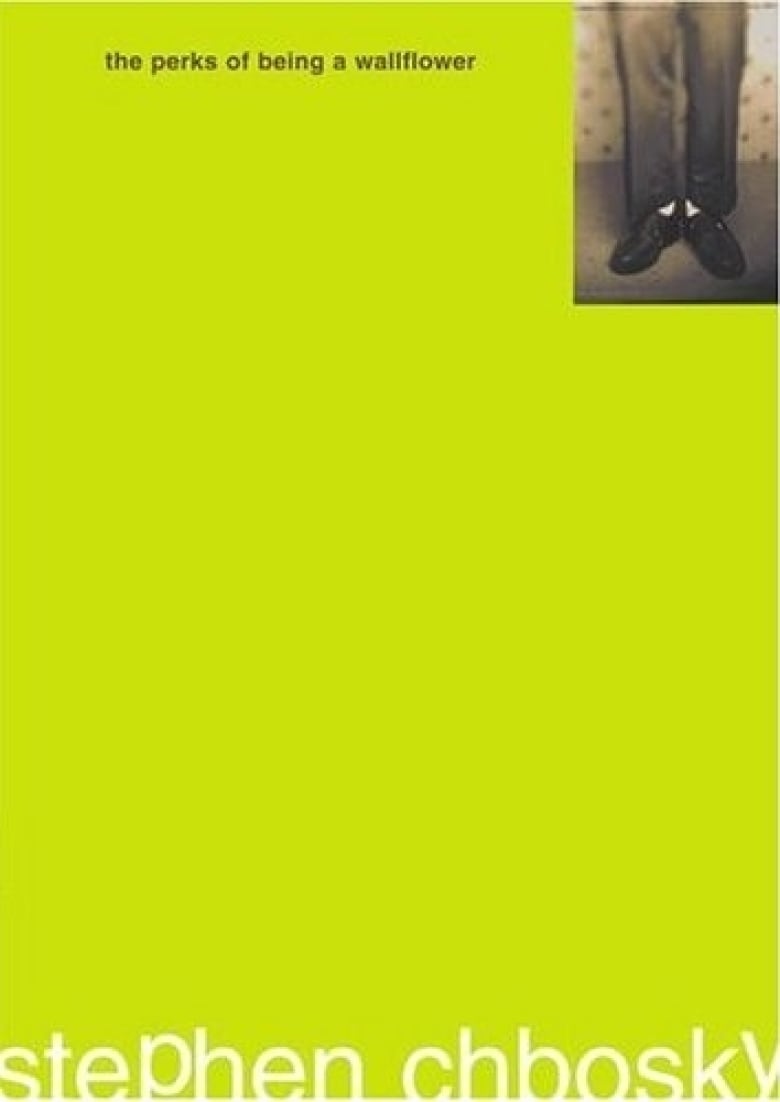
I spent about three hours of my teenage life trying to match my MySpace background color to the distinctive paperback hue of The Perks of Being a Wallflower. Maybe most teenagers feel depressed to a point, but in middle school I started to wonder if something was really wrong with me. Then, I met Charlie—the titular wallflower in Stephen Chbosky's epistolary 1999 novel. Nearly 20 years after my first read, my lasting hot take on what makes this story exceptional is that the conclusion of Charlie's journey as a wallflower isn't some revelation that he's special or can metamorphose into this healed, outspoken genius. Instead, his story raises a great question to the reader: Can one make peace with life if the objective is to commit to the role of the observer? Charlie seems to think so. He has the neutral maturity to admit, "I am both happy and sad at the same time, and I'm still trying to figure out how that could be." The story works like that—no easy answers, just thoughtful, messy contradictions. Binary thinking flies out somewhere in the tunnel toward Pittsburgh or gets thrown across the room in the frenzy of teenagers pushing their way to see Rocky Horror Picture Show. Sure, it's easy to tease Charlie as a character because he says things like "I really think that everyone should have watercolors, magnetic poetry and a harmonica," but that's all in good fun. What's harder is banning this book that means a lot to a whole lot of people—all because we're afraid of our children's inevitable suffering.
Lastly, for those curious, the cover is close to the hex color "pear," coded #D2E321.
Caroline Macon Fleischer is an author and theater artist. Her books include the literary horror A Play About A Curse (October 2025) and the psychological thriller The Roommate (2022). She teaches English at Loyola University and writes with the typewriter poetry collective, Poems While You Wait. She lives in Chicago with her husband and son. See more @caromacon and www.caromacon.com.
Lydialyle Gibson, Writer, Editor
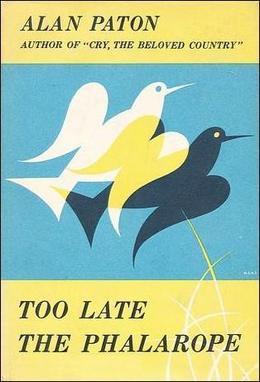
In 10th grade, our English class read Too Late the Phalarope, the lesser-known second novel by South African writer Alan Paton. Readers are likely more familiar with Paton’s hauntingly beautiful Cry the Beloved Country, which laid out the horrors of racial subjugation, and was published in 1948, just months before apartheid became law. An international bestseller everywhere else, it was immediately banned in South Africa.
Too Late the Phalarope, written a few years later—and also banned there—is a quieter and sterner book, about the devastating consequences of an illegal sexual affair between a black woman named Stephanie and a white Afrikaner cop named Pieter, who is torn between his devotion to duty and family and his growing, secret suspicion that apartheid is wrong. I don’t think it was ever formally banned in the United States, but it is not a book you’d expect to see assigned (or welcomed) at a high school like mine in the early 1990s: a tiny private school in small-town southern Virginia, mostly white and very conservative. Not really a place for pushing boundaries.
But that’s what our English teacher Jean K. Smith did. She was legendary—brilliant, terrifying, and wonderful. In another life, she’d served in the Air Force, tended bar in Ireland, and worked in a factory in the Netherlands. Rumors swirled that at one point she’d lived in a houseboat. During the years she taught us she worked weekends at the local state-run ABC (alcohol beverage control) store to make ends meet. She was someone who had really lived, and her ideas about society and justice seemed downright radical in our little corner of the world. She didn’t bother much with whether a book had been banned, just whether it was good and had something to teach.
Too Late the Phalarope was one of a long list of books we read with Mrs. Smith. I’m not sure why the racial injustice and moral ruin in that text hit me so much harder than, say, in Maya Angelou, William Faulkner, or Zora Neale Hurston’s work. But it did. It brought home to me the disaster of American racism—Southern racism, the kind I’d grown up with—in a way that other books had not. Maybe I was finally ready to understand it, or maybe Paton’s story is just that good. His white characters aren’t mindless villains, but tragic human figures who’ve allowed their humanity to slip away. As a young white teenager growing up in the South, there was a lot there that felt instinctually (if not yet consciously) familiar.
But I sort of think the book’s effect on me actually had something to do with its “foreignness.” It shook me out of my perspective and showed me something in another time and place that made it impossible to look back at my home with the same eyes. (Years later, as a community newspaper reporter on Chicago’s West Side, I got a similarly visceral lesson in the segregation that I had not fully learned growing up in the still-segregated South.) I still remember the terror I felt as a teenager reading one shattering scene from Too Late the Phalarope, when Pieter and Stephanie accidentally touch momentarily for the first time, and all at once he knows—and we know—that the tragedy will come and the worst will happen. It felt so sharply real to me, sitting in my childhood bedroom in Virginia, that I had to close the book. But only for a moment.
A former longtime Chicagoan and graduate of Northwestern University, Lydialyle Gibson is senior editor at Harvard Magazine. You can read her work here.
Caroline L. Huftalen, Writer and TCR Contributor
Every book I read when I was growing up has been banned. My teachers and parents tossed titles at me like The Witches, Of Mice and Men, Lord of the Flies, and gasp, Where's Waldo, as if they wouldn't shape who I would become, taint me with their ideas on finding men with striped shirts and winter weather hats that never covered their ears. As if I wouldn't go into the wild of the world with a group of my friends and tell those little piggies to run for the sport of the kill. Like my intelligence could go beyond the surface of the characters and their titillating trials to the beating, bloody pulse of the story. Luckily, I grew up around adults who understood that my own thoughts were not limited to sunshiny, whitewashed days of utopia where even period blood doesn't exist. They knew that for me to understand the important parts of the universe, I had to read something that made me say OMG why is a beanie an acceptable look in July?
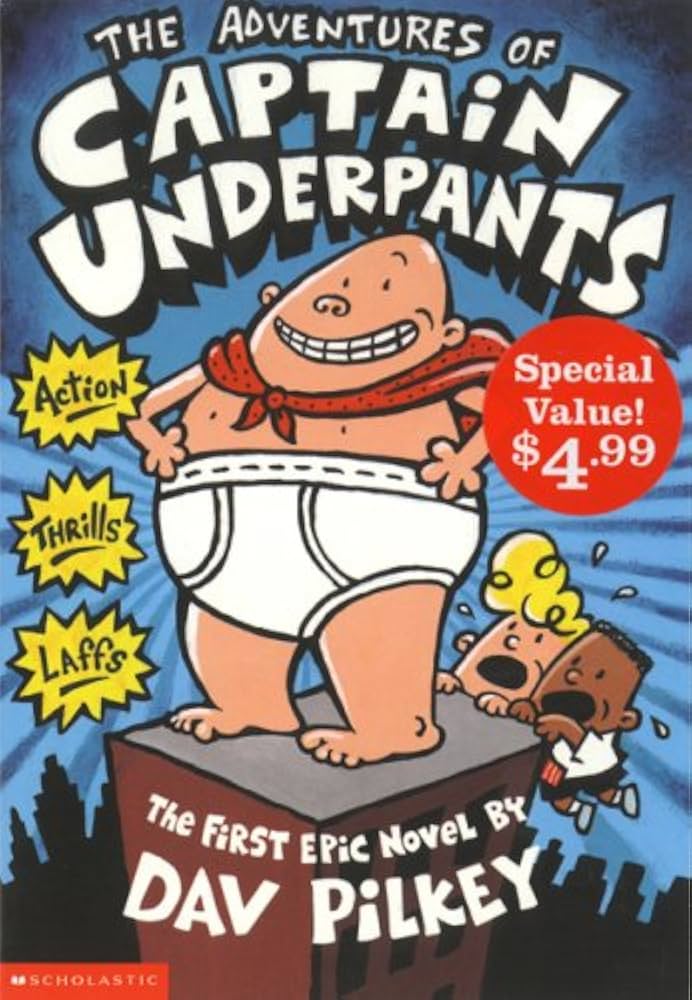
I toss banned books at my kids now, too. Captain Underpants is an important part of growing up. If you can't find a fart funny then you honestly have no place in this wretched society. The real things we should be upset about are the facts that a talking toilet that eats people offends more than the nightly news; that bionic booger boy is our new reality as vaccines are stripped away; and the biggest villain in our children's lives is guns in schools instead of a man named Sir Stinks-a-lot. Those in charge of the censors are worried about the wrong things. Toots aren't going to implode this society—stripping it of hilarity and grit and joy will. I want to read–my kids want to read–what lingers in the recesses of our brains, and challenges and questions our inner and outer worlds. If that's a man named Professor Poopy Pants, then so be it.
Caroline L. Huftalen writes about food, arts and culture at Third Coast Review, Busking at the Seams and her Substack, The French Delusion. A graduate of the University at Buffalo and the Savannah College of Art of Design, Huftalen lives in Chicago with her family and is currently writing a novel.
Adam Kaz, Writer, Publisher, TCR Contributor
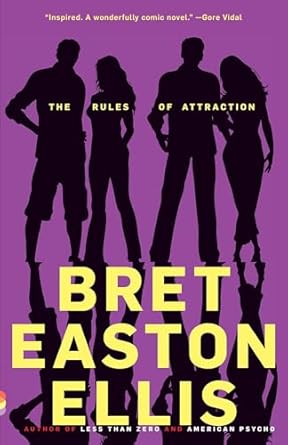
Educators wonder how to get young men into reading. All I can recommend was what worked on me. Give 'em something salacious, something nasty. When I reached an adult reading level, I was promised books could be bloodier than television, sexier than movies, and coarser and freer from censorship than any other medium. That was their primary appeal. The gory-druggy-horny literary trail that brought me at age 15 to Bret Easton Ellis’ The Rules of Attraction is one I’m sure the Far Right wants paved over, and one all citizens must fight to protect.
By high school I was a big fan of Chuck Palahniuk, the transgressive author of Fight Club. Ellis was recommended as his highbrow brother—a similar soul with better reviews. On a lark I found The Rules of Attraction in my school library—and I sincerely hope it’s still there. The short satirical novel, set in the 1980s, jumps between the dispassionate, desperate, and contradictory perspectives of affluent students at a fictional East Coast college. In it Ellis applies his signature motif: depictions of shocking violence, illicit drug use, and pornographic sex (mostly sex and drugs in this one) told with a minimalist detached style, as if the characters couldn’t be bothered to care about their own stories. Ellis’s readers remember the hollowness his novels provoke, the sense of unease. It can be very uncomfortable for first timers.
The book delivered on the sex, drugs, and violence I expected, but I couldn’t have anticipated its effect on me as a fiction writer. Back then my scribblings were largely an exercise in sounding smart. Often my search for the “best word” was outshined by a desire for the longest. To discover a writer who could elicit real emotion, real dread, with a shrug or a flicked cigarette: it was my first true lesson in Less Is More, or at least the first one I noticed. It blew my mind and made me a stronger writer.
Attempts to silence The Rules of Attraction and books like it should be seen for what they are: the lamest people you know attacking the coolest. Keep fiction free and nasty. Rock n’ roll.
Adam Kaz is a Chicago-based writer, editor, critic, and marketing professional. He is the Editor in Chief of The Ground Is Uneven, an arts and literary journal. His fiction has appeared in Flash Fiction Magazine, Fabula Argentea, literally stories, and The Ground Is Uneven. His reviews and articles have appeared in Third Coast Review, Chicago Review of Books, and Digital Huddle.
Dan Kelly, Writer, TCR Lit Editor
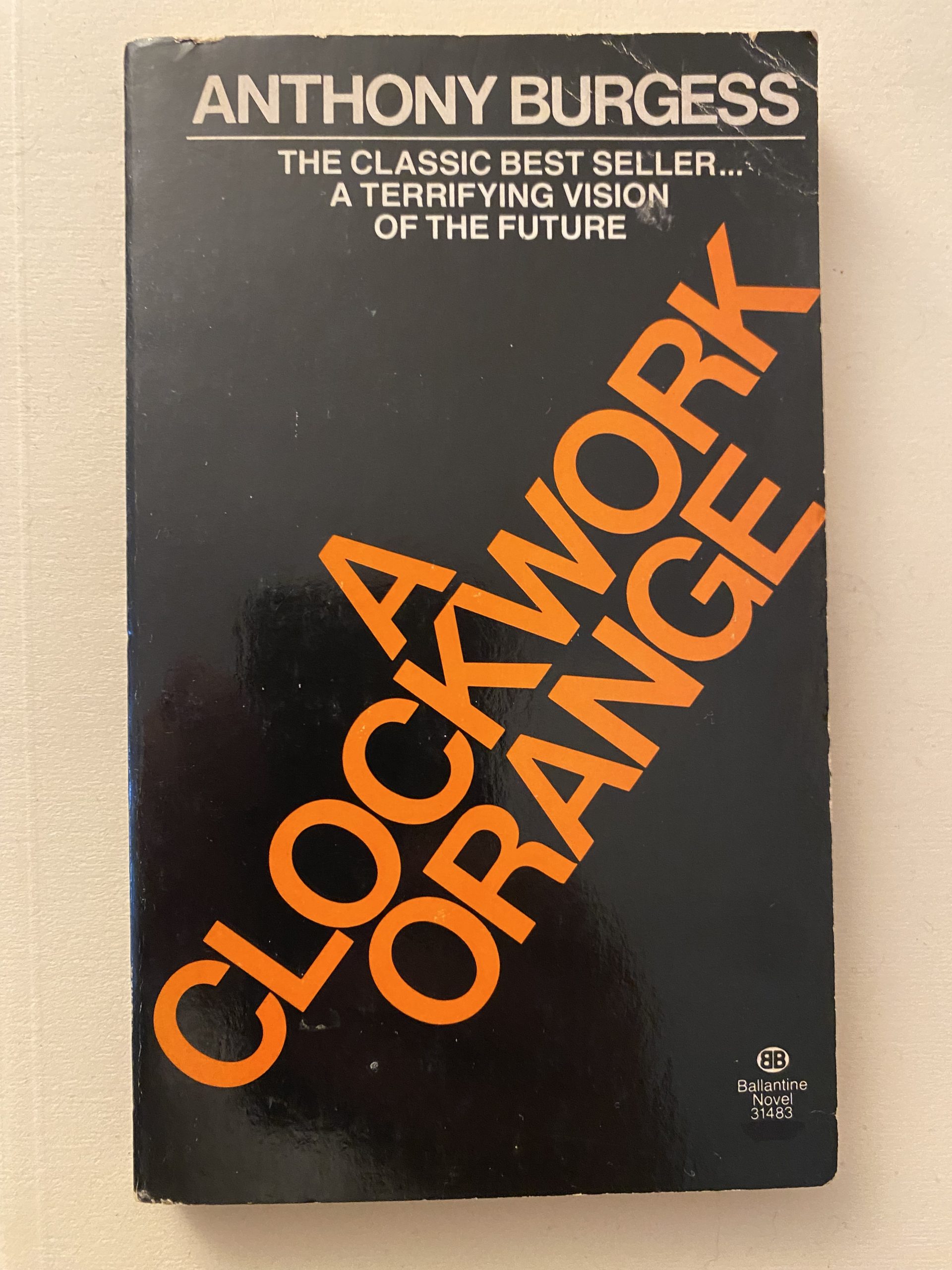
In my day (the 1980s) you’d find a copy of A Clockwork Orange on every suburban would-be rebel’s bookshelf. A grubby little book, it was cranked out in three weeks by English author/composer/linguist Anthony Burgess to score quick cash (sadly, it was also inspired by an assault on his wife by four American soldiers). You probably know the story: Alex (no last name) is a 15-year-old gang leader, sociopath, thief, and rapist who speaks in a patois of Russian, Cockney slang, and nonce words coined by Burgess called nadsat. Alex murders a woman and goes to prison. He is offered a get-out-of-jail-free card if he submits to a behavioral modification experiment known as the Ludovico Technique. Injected with emetics and forced to watch violent films set to a Beethoven score (Alex’s favorite composer), he is conditioned to become horrifically ill at the thought of sex, violence, and, by accident, the music of “lovely Ludwig Van.” A satire, the book allowed Burgess to flex his linguistic muscles.
The book is overshadowed by the 1971 Kubrick movie, of course. Malcolm McDowell’s indelible single-false-eyelashed performance created a lasting image of Alex as a sexy adult rogue. The film’s tagline was: "Being the adventures of a young man whose principal interests are rape, ultra-violence and Beethoven." A glib description of a pervasive type in our culture (save for the classical music fetish): young, male, aggressive, free from empathy, and a strong believer he’s due every pleasure despite contributing nothing.
The novel’s bans mostly arise due to its sexual assault scenes (opaque when described in nadsat, though one gets the queasy gist—Alex's victims are underaged). Unsurprisingly, it remains one of the most banned books in schools and public libraries, with 23 bans during 2023–2024. Truly, it’s hard to believe any grade or high school teacher ever taught A Clockwork Orange in their class. Unlike The Giver, The Hunger Games, or other popular YA dystopian novels, Alex provides nothing to root for and garners little sympathy despite the horrific torture he goes through. His “rebellion” is unfettered criminality, versus the usual comforting tropes of fighting Big Brother through reading, falling in love, and similar inspiring sops. The weakest interpretation of A Clockwork Orange suggests Alex deserves free will so he can choose to be a rapist/murderer or not. Personally, I suspect, like Robert Cormier’s The Chocolate War, ACO earns bans because it’s too on the nose in revealing those who promise to protect us, can’t always be trusted. The novel further intimates Alex’s metaphorical castration will be practiced on anti-government protestors next. A Clockwork Orange is a troubling book without heroes that still has its lessons and warnings.
As for me, like many films I wasn’t allowed to see as a kid, I first encountered A Clockwork Orange through Mad Magazine at age 13. Fascinated, I later snuck a peek at Kubrick’s movie, then bought the book. No one told me I couldn’t read A Clockwork Orange, but I didn’t announce it to my parents either—secretly reading it in my room with the door locked felt quite illicit and adult. Did it warp me into a ultraviolent droog who favored derbies, suspenders, and wearing jock straps on the outside? Well…no. Did I subscribe to the idea that society only thrives if we let sociopaths be? Nah. Did it take a while to read because my edition didn’t have the nadsat glossary appearing in other editions? Dear God, yes. At worst, it inspired me to insufferably add Alexisms like appy polly loggies (apologies), real horrorshow (excellent), and oddy-knocky (lonesome) to my adolescent journal entries and everyday speech. Some (word) crimes are unforgivable.
Dan Kelly is the lit editor for Third Coast Review. Find him on Bluesky.
Donna Kossy, Writer and Bookseller
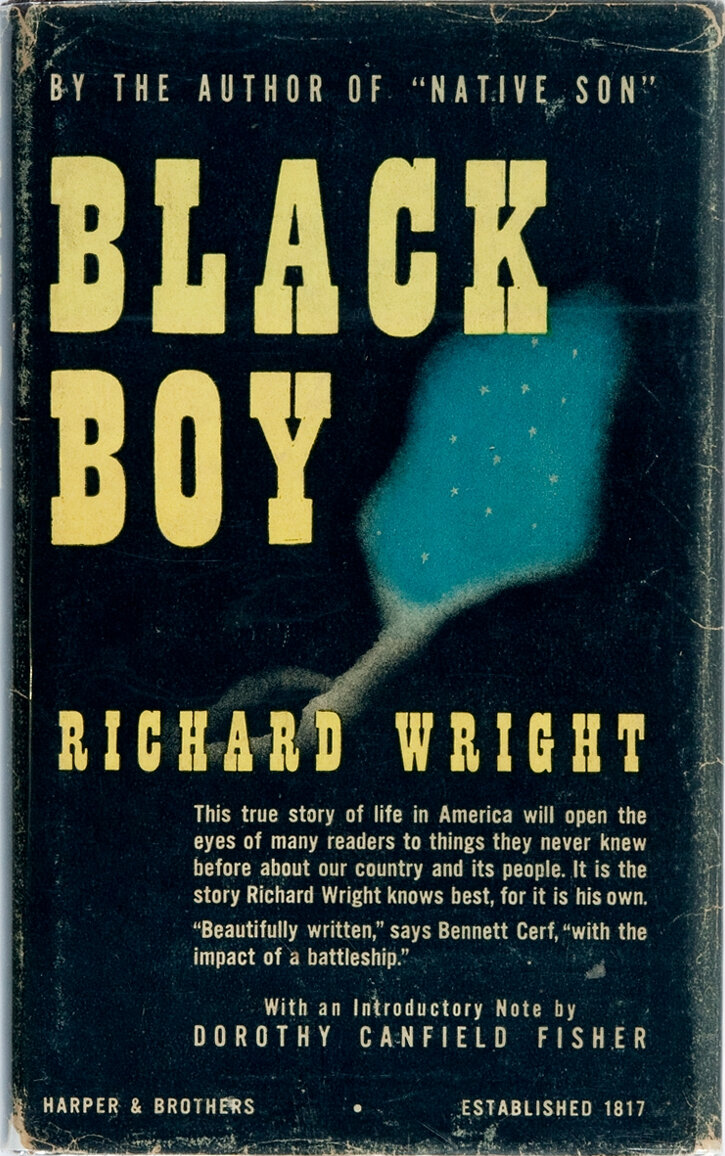
My Freshman English class at Evanston Township High School (circa 1971) was a 2025 book banner’s worst nightmare. Along with the usual Greek plays, Homer and Shakespeare, our (all-white) class was required to read Catcher in the Rye, Animal Farm, Lord of the Flies, and Black Boy, Richard Wright’s 1945 memoir of growing up poor and black in the South before settling on Chicago’s south side. I don’t remember our entire reading list, but out of all of them, Black Boy stands out from the others. I was already primed for a social conscience due to my middle-class, liberal upbringing, but had never considered racism from the inside. My limited experiences (including Evanston’s first foray into busing, which placed one or two black students from across town into each 30-student classroom at my predominantly Jewish primary school) didn’t yet translate to a full recognition that members of various underclasses were not essentially different from me. But reading the searing memoir was revelatory in that way, and also tapped into my adolescent focus on fairness and justice. Naturally, I wanted more of the same, and ended up seeking out Native Son, the author’s bestselling novel (1940), with assistance from my English teacher. Now that’s what I’d call education.
Donna Kossy grew up in Evanston in the 1960s and ‘70s, studied math and computer science at college, and later took up collage art and zine making in Seattle, San Francisco and Boston, while making a living as a computer programmer. She is the author of two books about weird people and ideas: Kooks: A Guide to the Outer Limits of Human Belief (1996) and Strange Creations: Abberant Ideas of Human Origins from Ancient Astronauts to Aquatic Apes (2001) and currently sells old and collectible weird books online from her home in Portland, Oregon, through Book Happy Booksellers.
Kathy Moseley, Writer and Graphic Designer
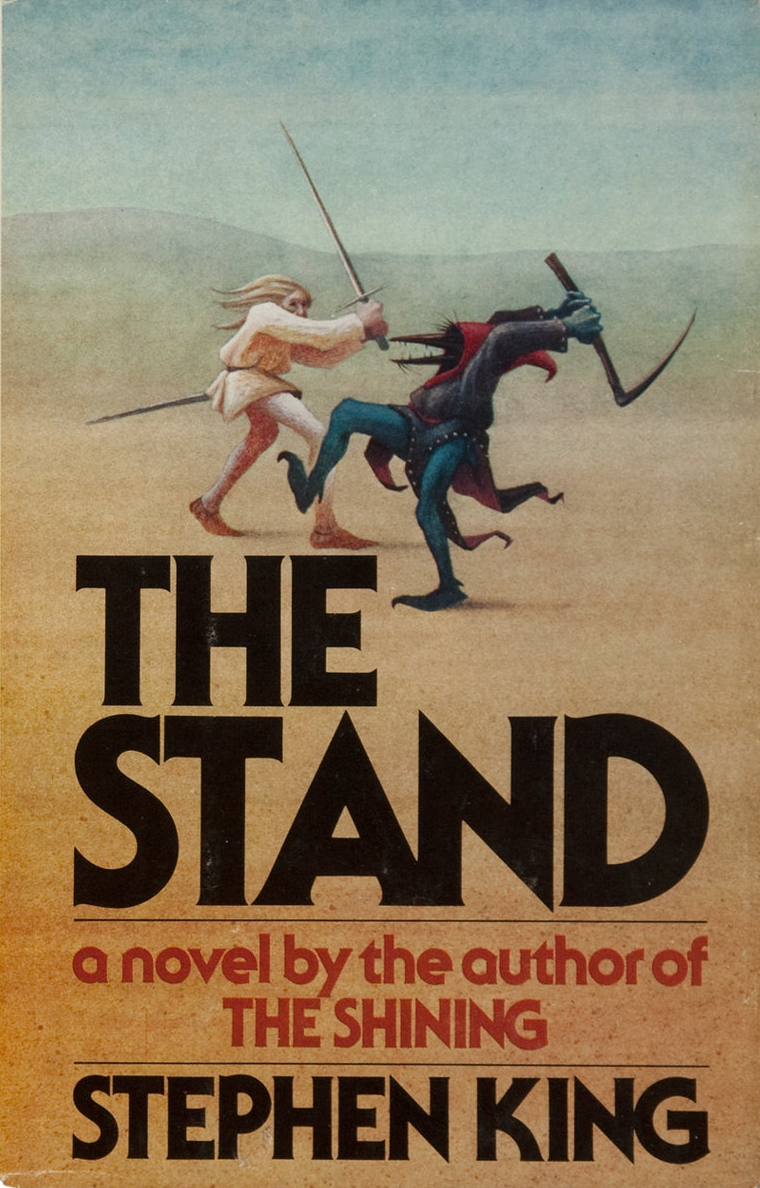
I can’t remember the first Stephen King book I read. It might’ve been The Dead Zone. It might’ve been The Stand. The Stand was definitely the longest book I had ever read up to that point—817 pages! My paperback is barely held together with two different kinds of tape that are both disintegrating. I read a lot of King’s books starting in junior high, and I’ve always been grateful that my parents paid no attention to my choice of reading material. If they had, the response would’ve been a big fat, “absolutely not.” They weren’t conservative religious freaks, just basic midwestern Catholic parents who would not be okay with their daughter reading the disturbing supernatural yuck that was the Stephen King Guarantee™. Not for nothing, he’s the most frequently banned author in US schools according to PEN America.
But I was a good kid with good grades who never caused trouble, so they never had a reason to examine what I was reading. This was one of the best aspects of being a classic Gen X latchkey kid — I had a decent amount of unsupervised time and reading was an innocent, approved way to spend that time. My parents also weren’t big readers themselves (I can’t remember seeing either of my parents read a book after I could read on my own) so they probably thought Stephen King wrote some basic scary stories and let it go. This despite the cover of The Stand declaring it, "A Novel of Ultimate Horror."
The Stand is King’s most epic novel, beginning with a pandemic that wipes out 99% of the planet, which is grim enough in and of itself. The surviving humans handle it in all the best and worst ways you can imagine, eventually sorting themselves into Team Good and Team Evil. It’s chock full of the stuff that the kind of people who like to ban books salivate over: graphic violence and sex, murder, rape, suicide, drug use, physical and emotional abuse, and blasphemy. Would you let your 14-year-old read a book where a woman is raped and impregnated by the personification of evil, after which she goads him into throwing her off a balcony to kill both her and the fetus? A book where people are publicly crucified in Las Vegas (Team Evil HQ, natch), which is then annihilated by a nuclear bomb? Hmmm, when you put it like that, probably not. (Though it does hit different in 2025 when children have access to all that the internet has to offer. In 1981 I did not.) Stephen King's books were a window into adult worlds I knew nothing about, and could be absolutely terrifying. But it was also a place to put a lot of the anxieties I had about my own life: “Well, I might get bullied again at school tomorrow, but at least I won’t die from starvation in a prison cell because all the people with keys died of the plague.” Even the scariest books could be a reprieve from real life, and also act as guidebooks for how to survive (or not) the worst things that could happen to you.
The freedom to read whatever I wanted without question was something I took for granted back then, but now I realize was an immense privilege. No adult ever prevented me from reading a book I wanted to read, no matter how “inappropriate” it might have been. No librarian ever looked at the books I brought to the checkout desk and asked, “Are your parents okay with this?” Yet here I am at 58 years old, not a sicko murderer or a threat to anyone despite the thousands of pages of horror and weirdness I dumped into my brain as a child. If anything, it allowed me to be more empathetic, to see examples of the complexity and resilience of the human experience underneath the horror.
Kathy Moseley is a graphic designer living in Chicago. She's probably going to read The Stand again now. Visit her at her website or at @semibold on Instagram.
Rachel Robbins, Writer, Professor
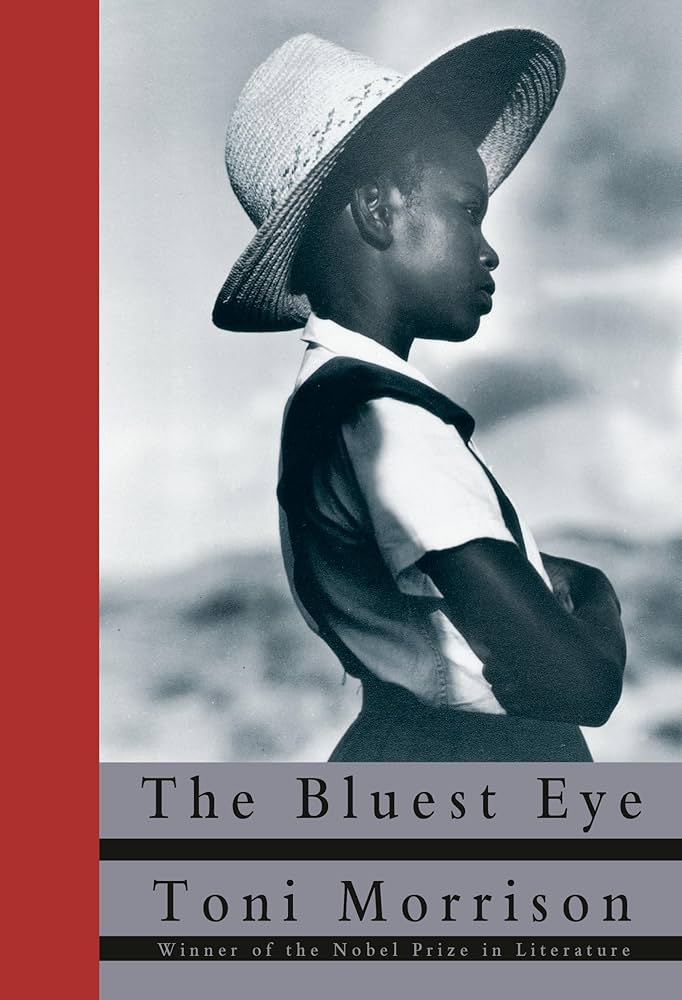
Toni Morrison’s first novel, The Bluest Eye, always struck me as her bravest. She wrote it in 1970, taking to task the intersections of race, gender, and beauty. With this debut, Morrison penned a manifesto on the weaponization of likability by centering on a young, Black girl. The novel unpacks Pecola Breedlove’s self-loathing. Like many survivors of sexual assault, Pecola internalizes her contempt.
The Bluest Eye is one of the most frequently challenged and banned books ever written. It is decried for its sexually explicit content, disturbing themes, and political motives. Predominantly, the novel is denigrated for its “pornographic” nature. But that’s a gross miscategorization. Pornography, by definition, is intended to elicit sexual arousal. To censor this book is to imply that Morrison’s depiction of incest was meant to titillate. Ironically, reading Morrison’s words is an act of defiance, a brazen deflection of the male gaze.
I first read The Bluest Eye in a college seminar. As Morrison’s words detailed trauma, I was certain everyone was staring at me. Surely, they could see it on my face. I wasn’t sure whether I could trust my male professor. But I trusted Morrison with my heart. That semester, I joined the National Organization of Women on my campus, attended women’s marches and joined rallies. I discovered for the first time that my politics were personal.
Five years ago, I gave birth to my own little girl with blue eyes. The entirety of our Ashkenazi Jewish family celebrated her appearance. How lucky, they said, that she inherited those eyes. What are the chances? She hardly looks Jewish. She’ll be a heartbreaker. Think where she’ll go with eyes like that. Morrison was in my head, warning me. But I bit my tongue and smiled, lest I be unlikable. At five, she’s still told that she is beautiful more often than she is told that she is smart, or brave, or kind. We need this book. We still have so much work to do.
Rachel Robbins received her MFA from the School of the Art Institute of Chicago. She is a tenured assistant professor and department co-chair at Malcolm X College, one of the City Colleges of Chicago. A visual artist and two-time Pushcart Prize-nominated writer, her paintings have materialized on public transit, children’s daycare centers, and Chicago’s Magnificent Mile. She is the author of In Lieu of Flowers, available through Tortoise Books, and The Sound of a Thousand Stars, available from Alcove Press, Penguin Random House Audio, and Hodder & Stoughton, an imprint of Hachette UK. To see the full scope of her work, please refer to her website, rachelrobbins.net or visit her on instagram: @rachel.slotnick
Kathleen Rooney, Writer, Professor
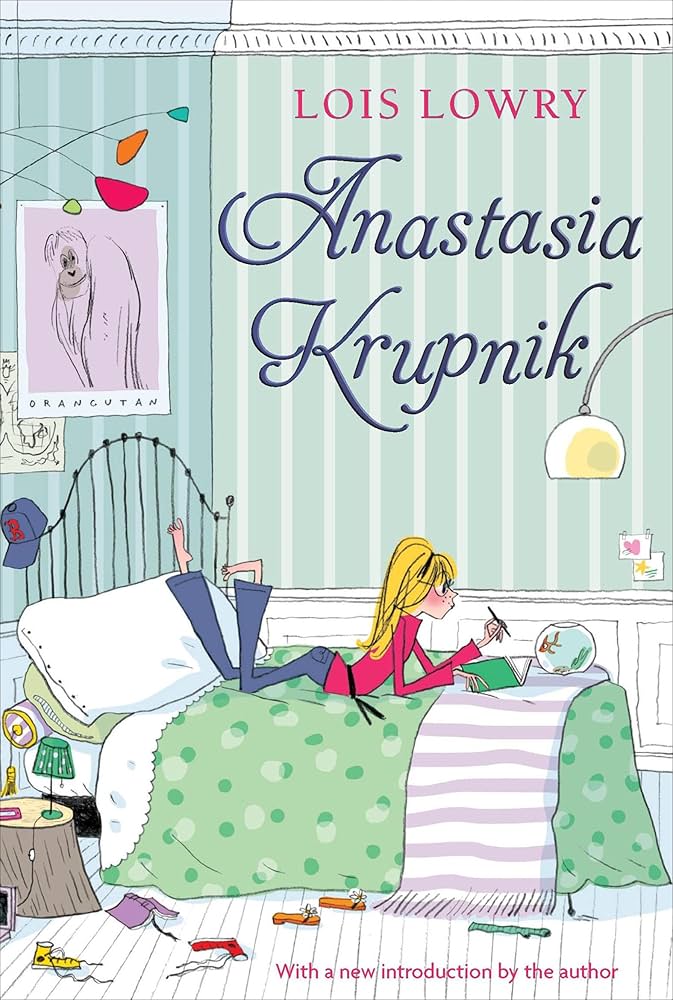
Anastasia Krupnik, the protagonist of Lowis Lowry's nine-book middle-grade novel series—remains more memorable to me over 30 years later than a lot of the actual people with whom I went to elementary school. Her sophisticated, cultured, semi-bohemian life in a suburb of Boston—where she lived with her artist mom, Harvard poetry professor dad, annoying little brother Sam, and trusty goldfish named Frank—is probably on some unconscious level part of why I went to graduate school at Emerson College. She made being a dreamy, creative, neurotic intellectual look fun! Thanks to her, I learned who Sigmund Freud was (because she scores a bust of him at a garage sale in Anastasia Ask Your Analyst) and that it was no big deal if you had a crush on your female gym teacher (as she does in Anastasia Has the Answers), and that you could catfish (though that was not the term of art at the time) an older dude as she does in Anastasia at this Address. Her (mis)adventures were a revelation of all the possibilities a quirky, confident, smart girl "just trying to grow up" as she put it could explore. But I suppose that's the very thing the maniacs who ban books dislike and fear: the revelation of possibility and the sense that there are many, many acceptable ways to be a person. Wikipedia tells me that this series is most frequently challenged by book banners for references to "beer, Playboy magazine, and suicide," but it's probably just because she's a free-thinking delight who inspires readers to be their own lowkey freaky selves and not feel bad about it.
Kathleen Rooney is a founding editor of Rose Metal Press, a nonprofit publisher of literary work in hybrid genres, and a founding member of Poems While You Wait. She is author of five novels, including Lillian Boxfish Takes a Walk and Cher Ami and Major Whittlesey, as well as the poetry collection Where Are the Snows. Her debut picture book Leaf Town Forever—co-written with her sister Beth and illustrated by Betsy Bowen—will be released by University of Minnesota Press on October 14. She lives in Chicago and teaches at DePaul University.
Holly Smith, Writer, TCR Contributor
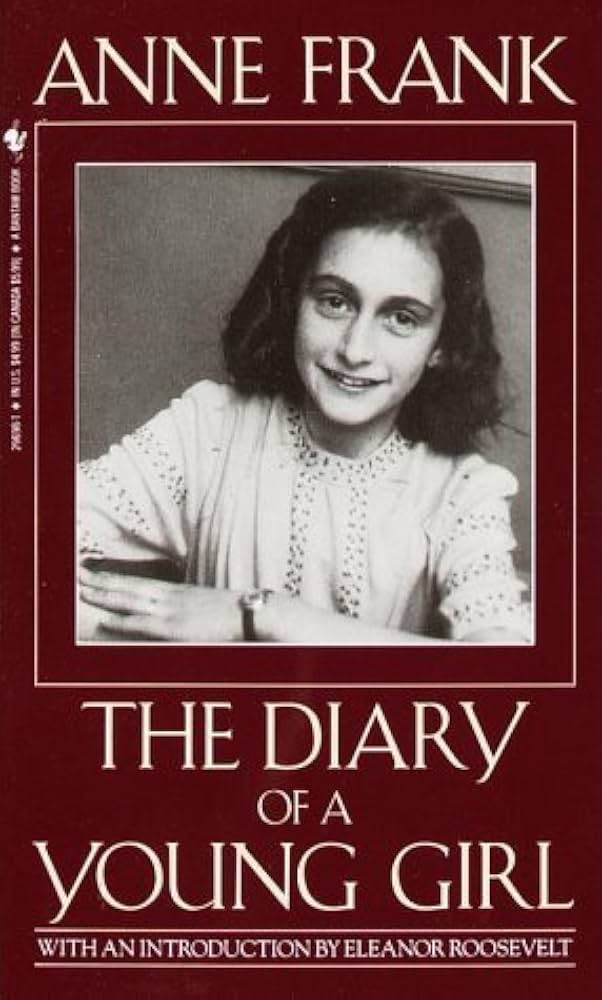
Banned books have changed my life for the better. Diary of a Young Girl by Anne Frank is vital, moving reading that augmented my understanding of both WWII and antisemitism as a whole. The world should never forget what Frank and millions like her experienced during the Holocaust, and when we said "never again," we should've meant it. Diary of a Young Girl remains an immensely poignant, personal, and accessible lens through which to examine a terrible time in history. Banning Frank's moving work for "discussions of puberty and teenage sexuality" is simply ludicrous. I am proud that my home state of Illinois was the first state to ban book bans.
Holly Smith is a communications coordinator with a history in publishing and the bookstore world. Now she tackles book and literary event reviews one at a time. You can read more of her book reviews at Holly Reviews, Bookman!.
Christina Ward, Writer, Publisher
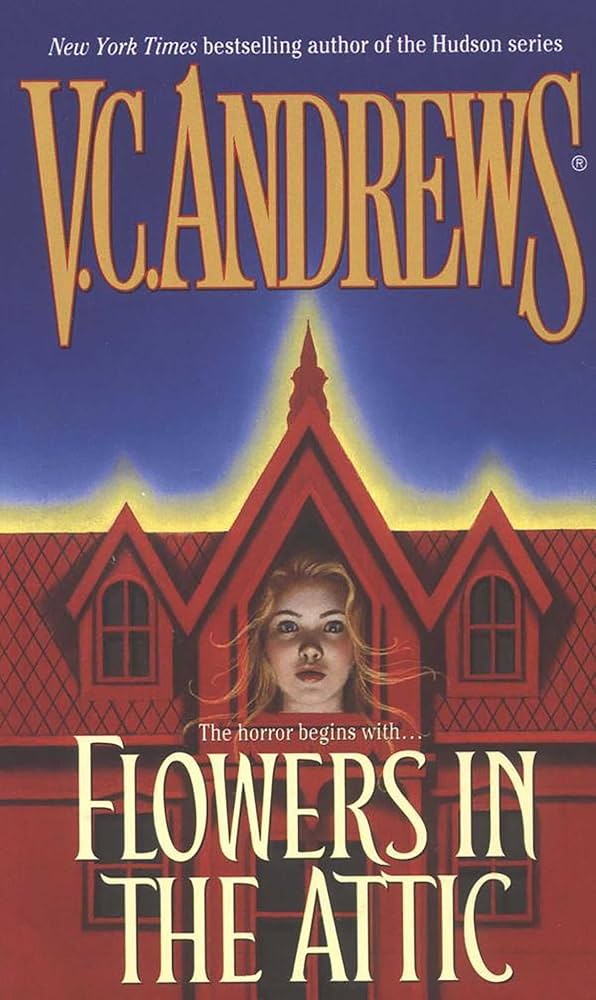
In the halcyon days of the early '80s—the era of latchkey kids and lazy hippie parents—it was a ‘thing’ for seventh-grade girls to pass around grotty, yellowed copies of VC Andrews' endless Flowers in the Attic series of overwrought novels centered on a family of middle-class WASPS and featuring child abuse and incest. I, and every other girl, had read them all by eighth grade. It was a giggling right-of-passage to read about the perfect blond siblings who just couldn’t help it, because, you know, locked in an attic for years and years.
Flowers in the Attic (and the 10 subsequent books in the series) was never formally banned by our library or school as it was in other locations, but the teachers in our school tried mightily to quash it by confiscating illicit copies and offering “read this instead” suggestions that never came close to the salacious joy provided by the melodramatic plight of the tortured Dollanger family. The book was and continues to be banned by various overlords with little success as the book has sold 40 million copies to date since its publication in 1979.
Reading such glorious trash as a young teen broke open my head in the best possible way. The notion that somehow words on a page could be perceived as harmful was contrary to my logic. We read to learn about different lives and experiences, and yes, for entertainment. No one I knew who had read Flowers in the Attic had been locked in an attic for years or enjoyed consensual incest. Nor did anyone who read Flowers in the Attic attempt to seduce their brother. (Apologies to everyone who was locked in an attic with their opposite sex twin and younger siblings and succumbed to sexual attraction.)
I tend to scoff at “Banned Book Week” because I’m a snot and appalled by the banality of the books that come to the attention of the pearl-clutching scolds. The Color Purple? Huckleberry Finn? Heather Has Two Mommies? Really? Crawl back into your mayonnaise jar and leave the rest of us alone to enjoy truly transgressive reading. I haven’t had a copy of Flowers in the Attic for years, but I think I'll pick up a few copies and place them in Little Free Libraries throughout town. Because there are always 13-year-old girls ready to escape the confines of approved reading lists.
Christina Ward is an author, editor, publisher, and independent food historian. She is also the managing and acquiring editor of Feral House, a publisher noted for their non-fiction books on outré topics. She had the distinct pleasure of riding around town in the Wienermobile with Padma Lakshmi on the hottest day in July of 2019 for “Taste the Nation.” Her most recent book is Holy Food: Recipes and Foodways from Cults, Communes, and New Religious Movements. Learn more about Feral House at Feralhouse.com and her work at Christinaward.net.
Support arts and culture journalism today. This work doesn't happen without your support. Contribute today and ensure we can continue to share the latest reviews, essays, and previews of the most anticipated arts and culture events across the city.
