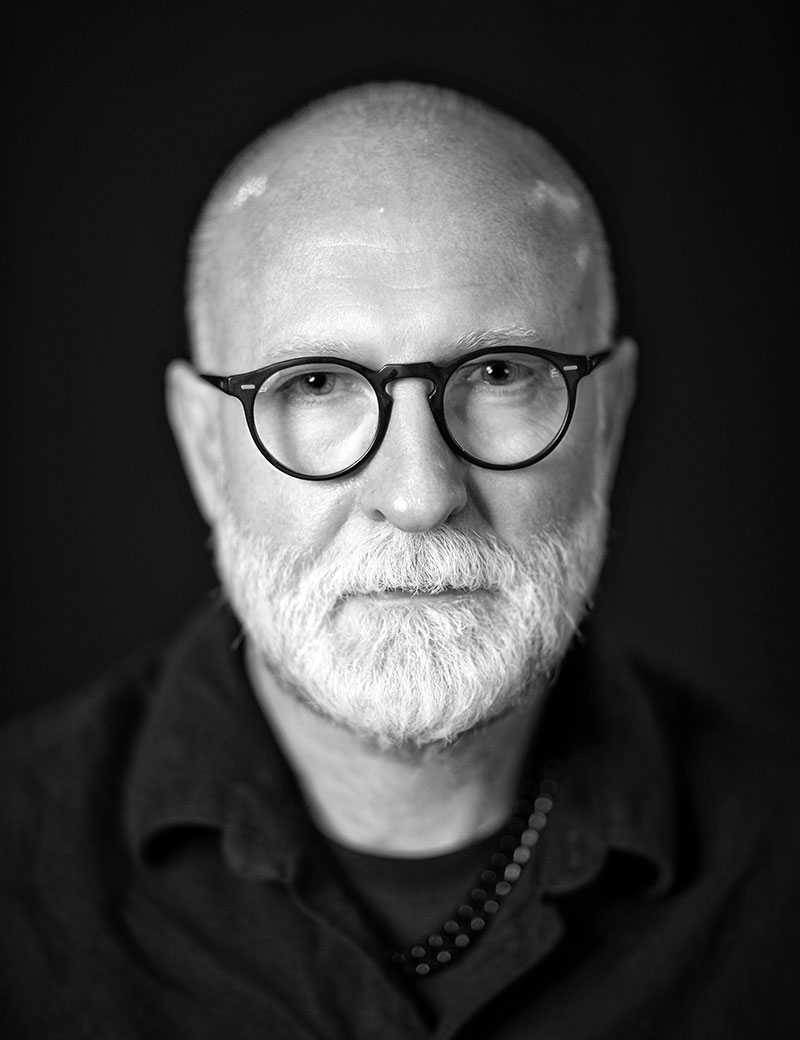
Bob Mould seems to be comfortable alone. He’s released 15 solo albums since 1989’s Workbook and is currently touring to support his most recent offering, Here We Go Crazy. Even his previous bands, Hüsker Dü and Sugar, were trios, usually more economic, democratic assemblages, since the triangle is nature’s strongest shape.
During a recent stop at Lincoln Square’s Old Town School of Folk Music, Mould, already confessional in his songwriting and his 2011 memoir See A Little Light: The Trail of Rage and Melody, added another layer by speaking with Sound Opinions rock journalist Greg Kot for about 45 minutes before his solo set as part of this autumn’s Chicago Humanities Festival.
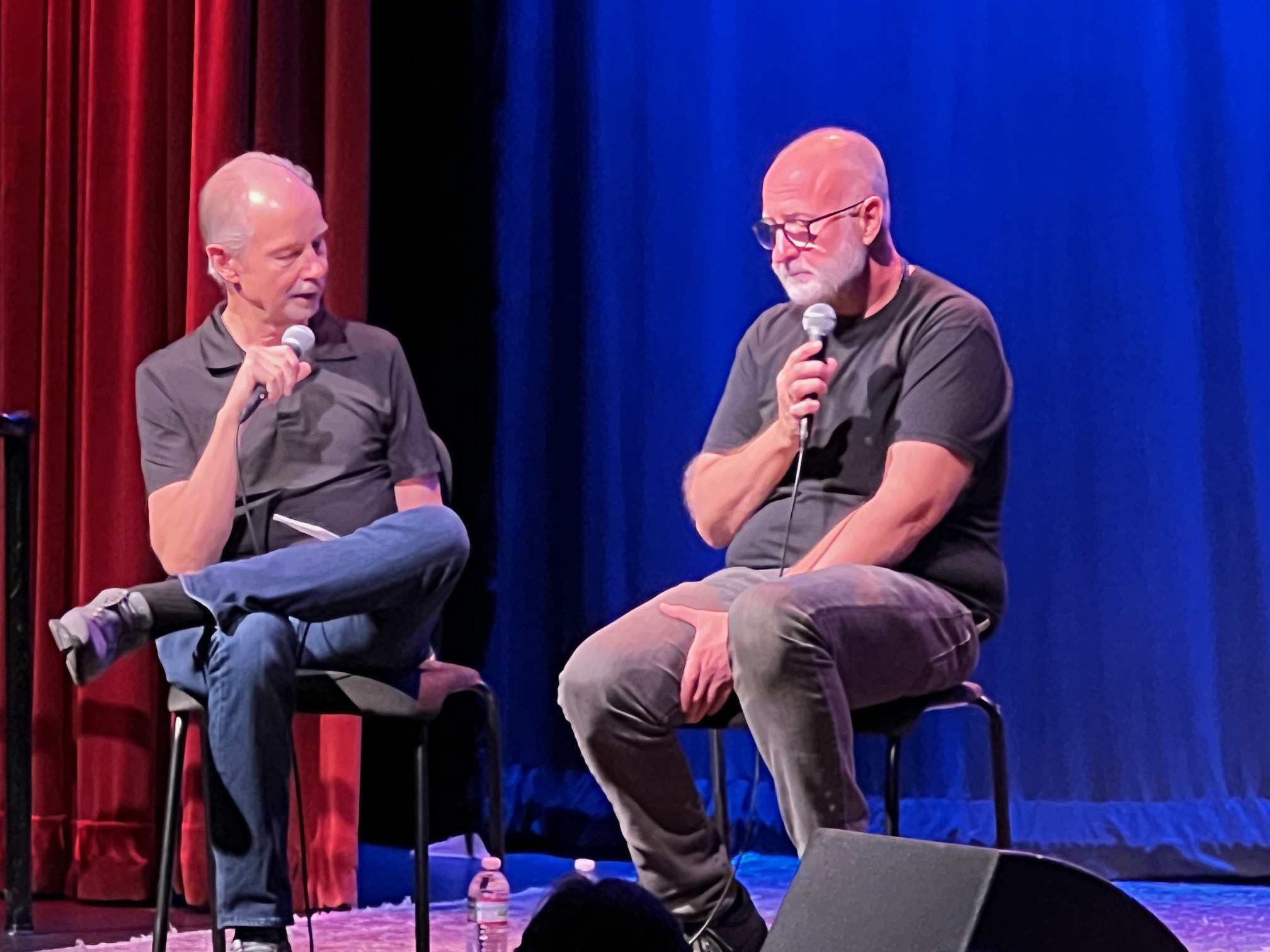
Kot and Mould have known each other for decades, so their intimacy and respect was palpable and sweet, especially since Mould is now “in his fourth quarter” of life. We in the appreciative, older audience felt like we were circling a campfire chat in the Old Town Schooll’s snug space. It felt even more meaningful since I recently had my first guitar performance on that same stage in that same spot (don’t worry, Bob, my recently broken wrist has made guitar too difficult so I’m now learning ukulele).
During his set, Mould remarked that indeed the pre-performance chinwag had loosened him up, saying “This is the most centered show I’ve ever played in my life.” The conversation summarized most of Mould’s life, growing up near the Canadian border in Malone, New York. He became interested in music by listening to singles from the jukebox vendor who visited his parents’ small grocery store. He moved to St. Paul, Minnesota, to attend Macalester College, where he later founded his first punk band, which was difficult at times since the Hüsker Dü trio contained two prolific songwriters, Mould noted.
Mould said he had a “healthy competition” with bandmate and drummer Grant Hart (who died in 2017), as well as other notable '80s Twin Cities artists like the Replacements, Soul Asylum, Prince and prolific performer/producers Jimmy Jam and Terry Lewis, all who encouraged him to “meet it or beat it.” He met his current bandmate, Evanston-based Jason Narducy, in 1990, and found that they shared “the same musical language.” (Narducy’s memoir Mostly the Van will be released in December, and he also tours with Chicago/Hollywood actor Michael Shannon).
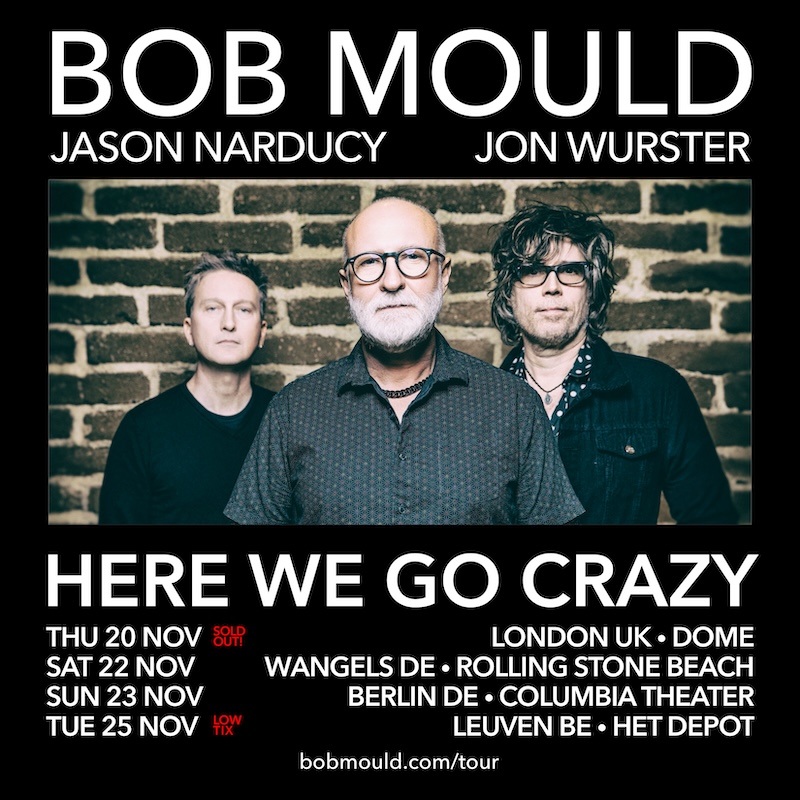
In 2007, Mould met his current drummer, the eclectic Jon Wurster, who also plays in Superchunk with Narducy. He shared that sometimes they go camping together, which keeps their vibe and sound tight. This third Mould trio, this triple hat trick, is his longest at 14 years together and counting.
Mould reflected on the 1994 suicide of Nirvana’s front man Kurt Cobain, whom he considered a brother. “It was pretty fucking demoralizing,” he said. That same year, Spin magazine outed Mould, although his sexuality had already been an open secret. The last Sugar show was in Japan in January 1995. Known as a punk pioneer, Mould also started experimenting in electro-rock, he recalled. He lived in New York City for a period, in Berlin around 2015-2020, and now splits his time between San Francisco and Palm Springs.
Mould waxed nostalgic about Steve Albini, the famed Chicago recording engineer, who created the Electrical Audio complex where the Mould trio recorded 2020’s Blue Hearts and Here We Go Crazy. Albini died in May 2024, after recording a plethora of iconic albums such as Nirvana’s In Utero.
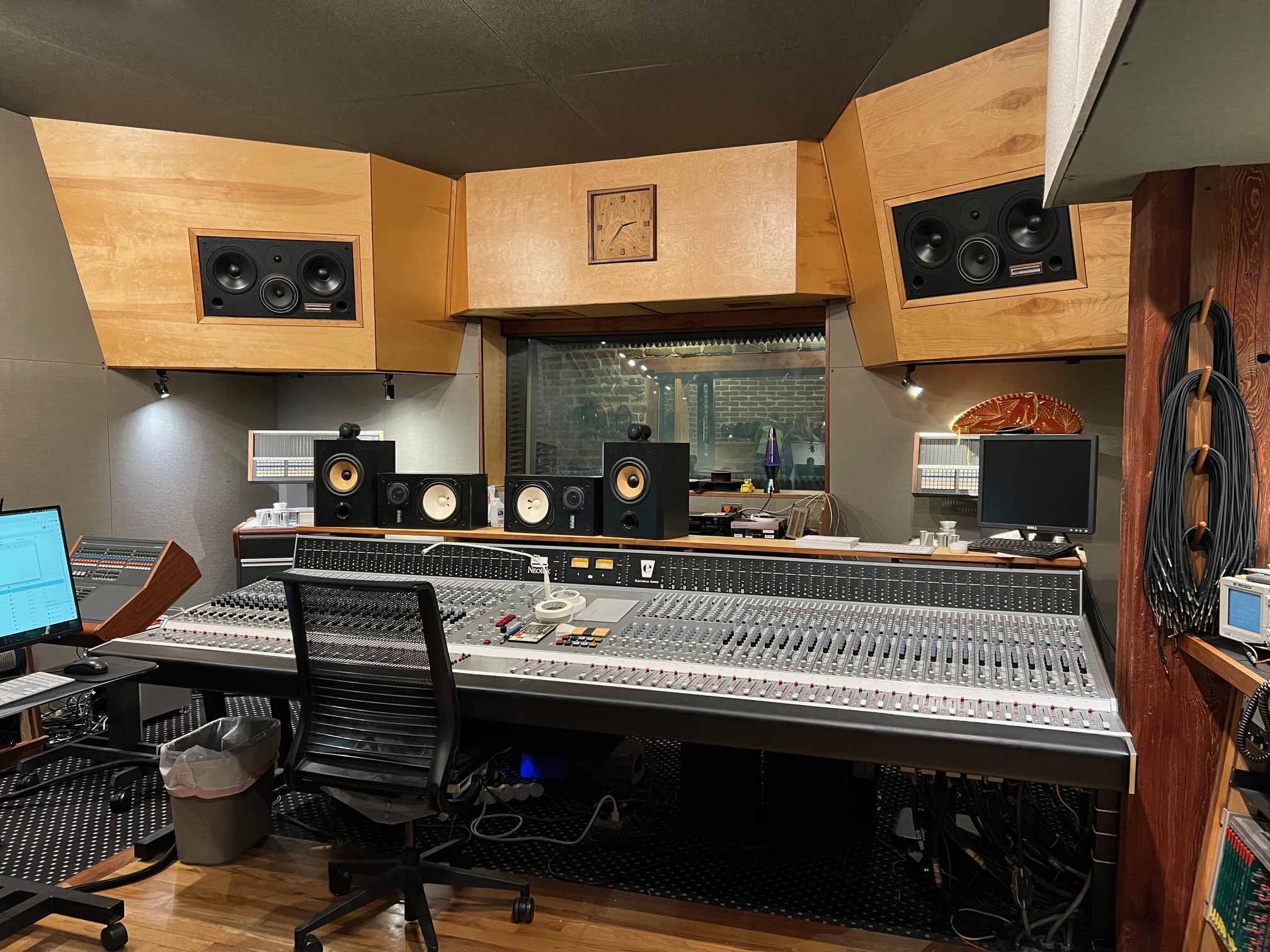
This year’s Open House Chicago featured tours of Electrical Audio on Belmont, west of Western. The unassuming brick exterior belies the magical music created within the low ceilings, wooden supports, thick doors and glass brick windows. Studio manager, engineer, tape transferer and tour guide Taylor Hales said that the studio is lucky to have no friction among neighbors, even though the bands can be loud. (The tour was informative but should be sped up if EA participates next year—my friends left after two hours in line because the 15-minute tours were backed up most of the day).
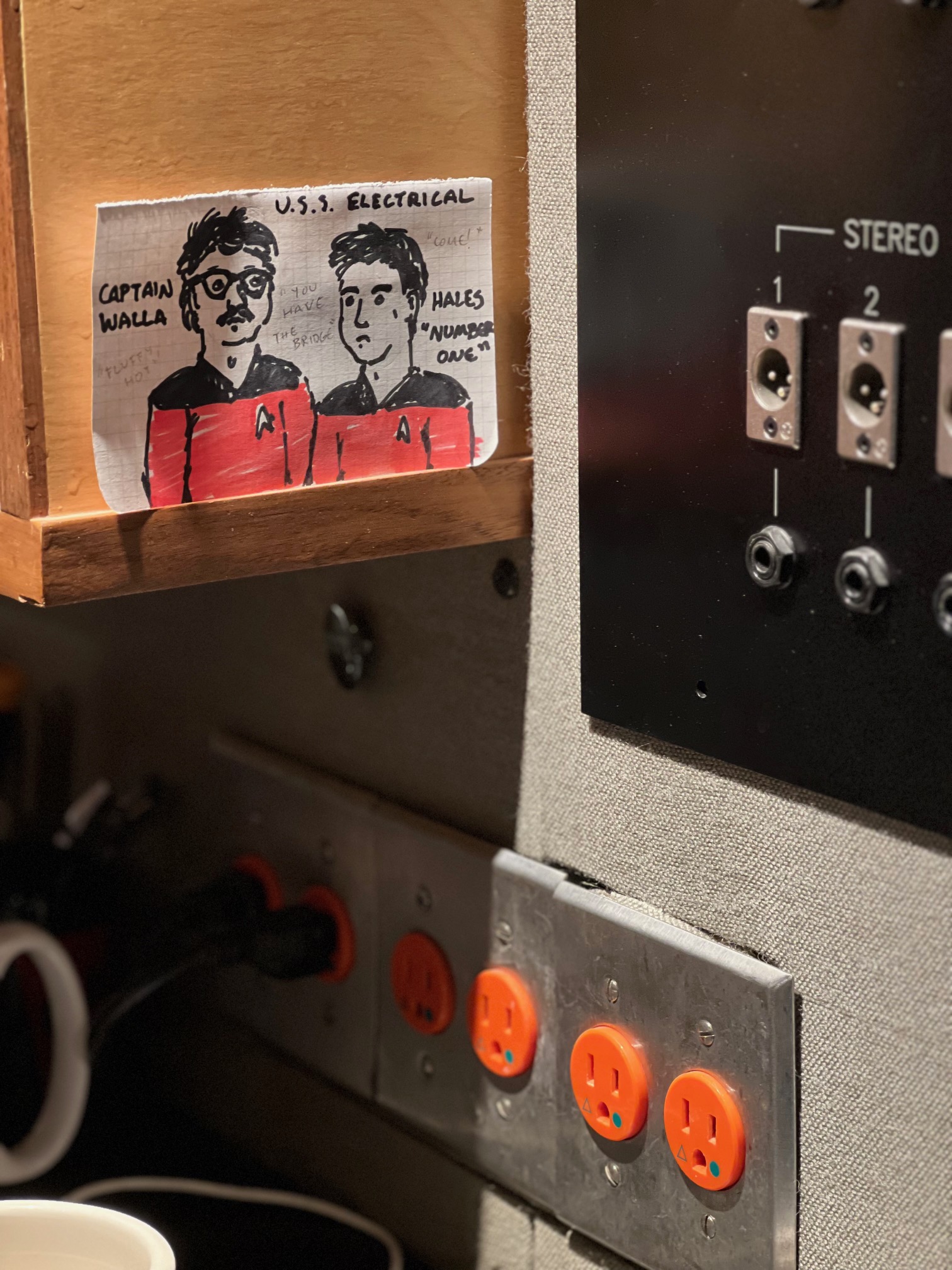
Photo by Karin McKie.
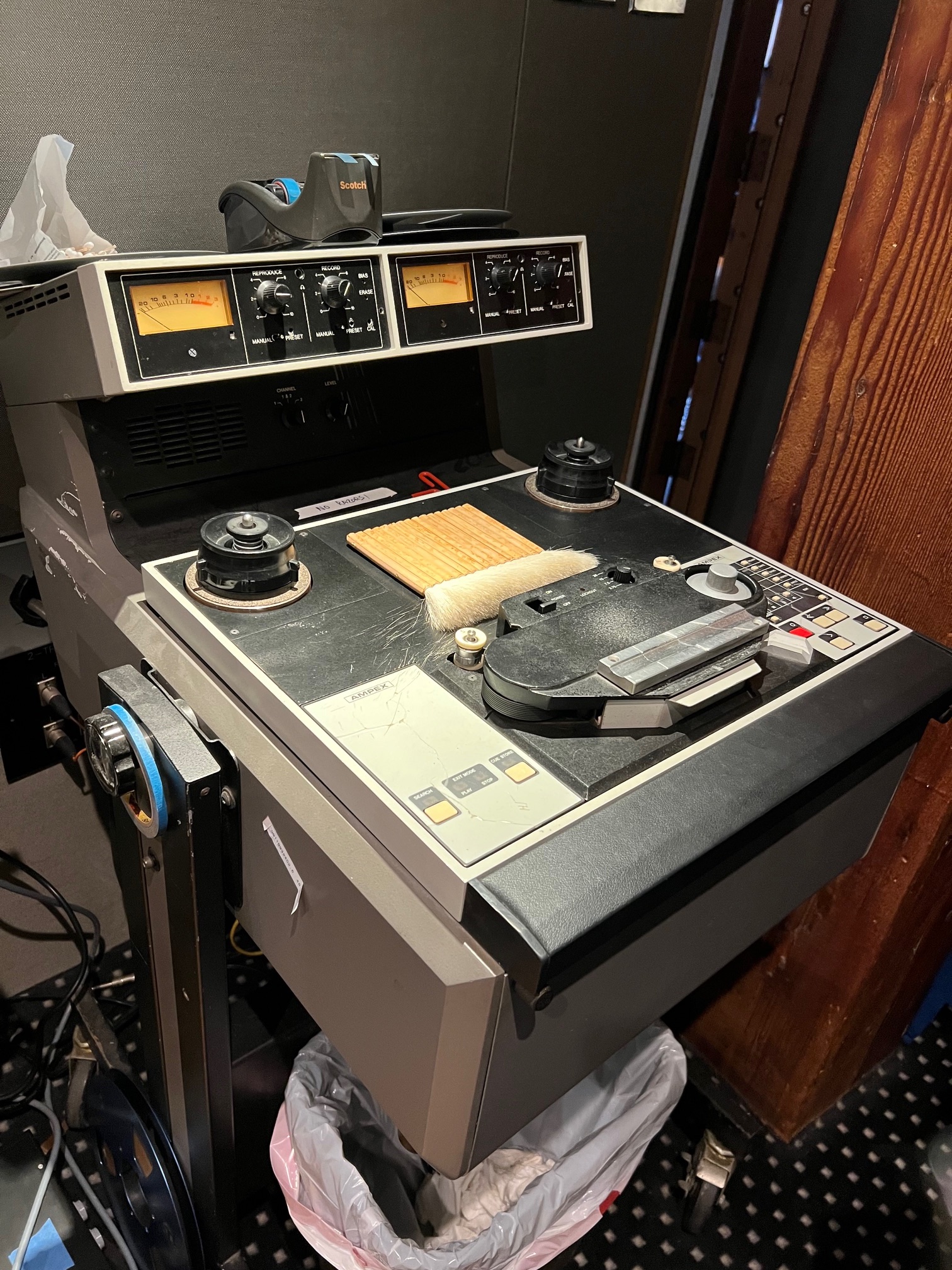
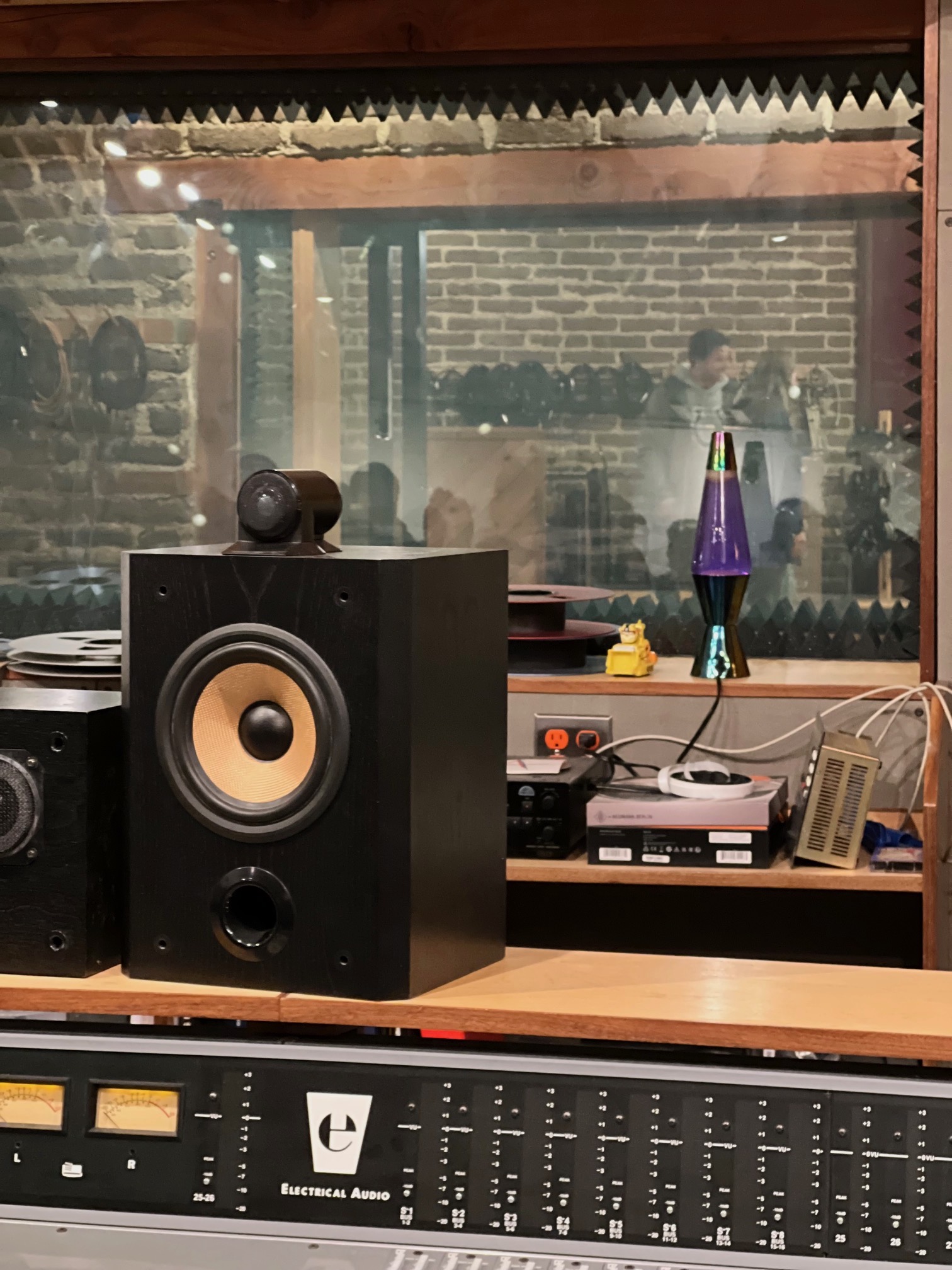
The compact space of this Chicago institution features a broad control room with a 48-track board to sweeten sound, and two large Swiss tape machines, where Hales explained that he, Albini and the rest of the staff connect with their renters as music fans, not just as clients.
The space was bought and designed by Albini in 1997 as a place to “build trust.” He also related that Albini was, and the studio remains, analog-forward by still using magnetic tape because physical tape is more durable, lasting 50-100 years just in a box on a shelf. Hales is currently working on a tape conversation project from the 1940s. EA’s commitment to tape “is not for sonic reasons,” he said, “but to document and create a durable work product.”
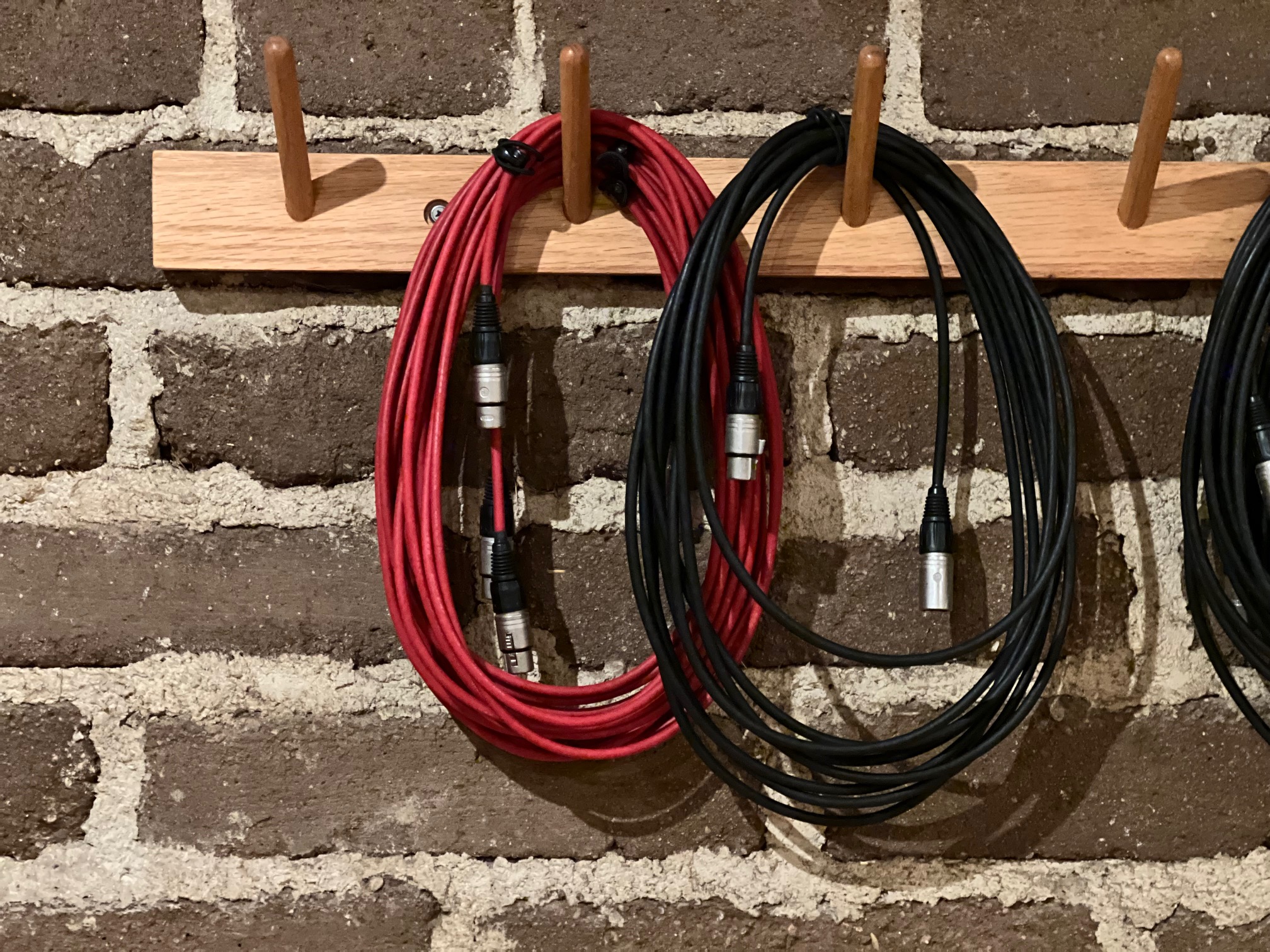
Albini created the two connected recording studios to have a “halo of ambiance between the spaces.” The walls are designed to prevent reflection, using materials chosen for acoustic properties. They are adobe mudbrick, not the usual clay, which contains stones and other debris to provide a heavy mass to modulate low-frequency transmission. Because it’s also soft and porous, the sound tends to be darker, and because those bricks are so heavy, floating floors needed to be installed. The larger studio space also held multiple pianos, drums, guitars and more for those renters who need to borrow instruments and equipment. The entire affair is warm and cozy.
Some of Hales’ favorite clients include the Foo Fighters (Mould is also friends with frontman Dave Grohl) and the Stooges. He concluded the tour by saying that since Albini died without a will, the property is still in probate but should end up with his partner Heather Whinna. Hales also hopes that maybe a foundation might be formed to offer the space for free to all comers—unlikely, but aligned with Albini’s support for all musicians, including the likes of Bob Mould.
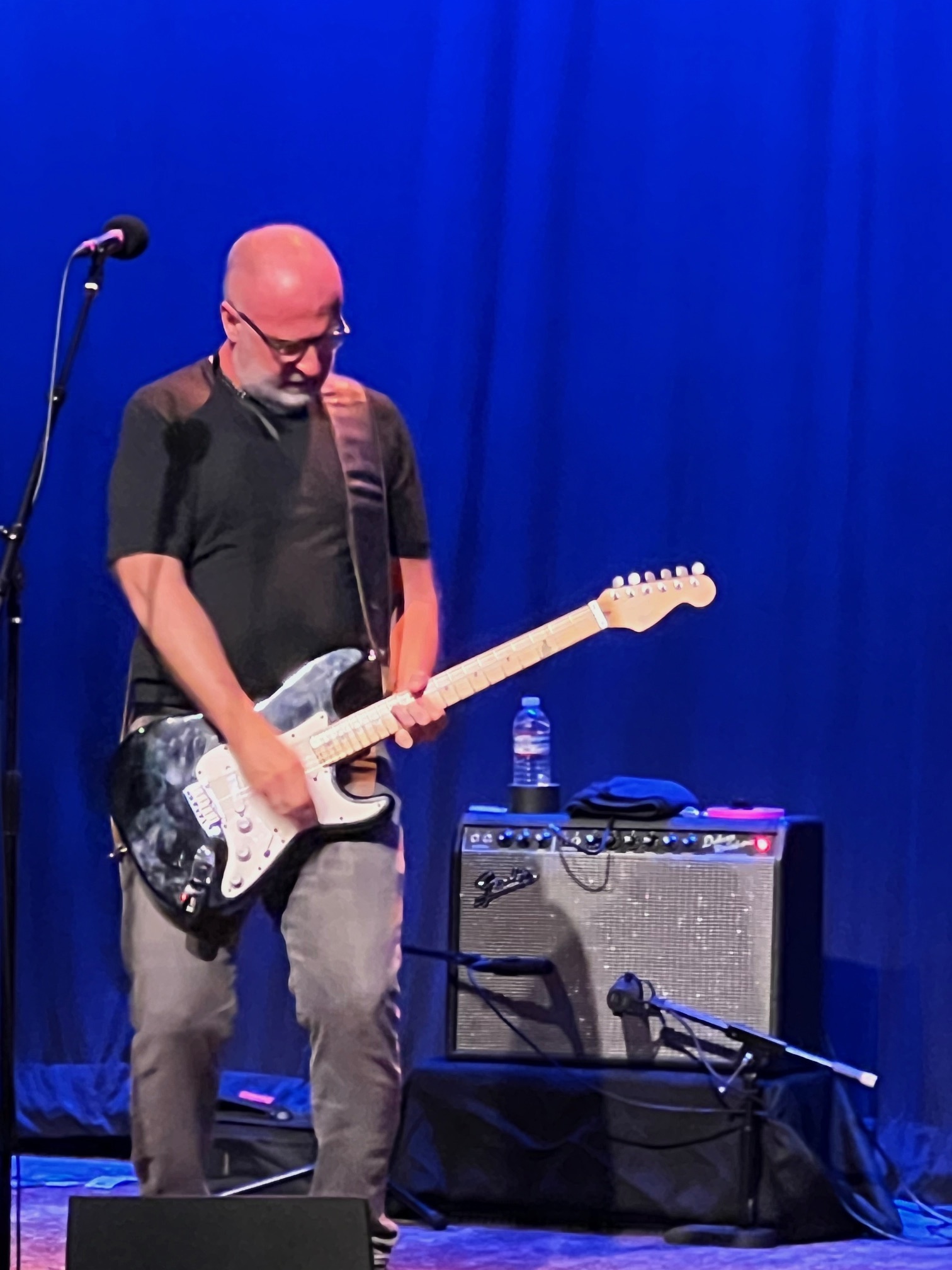
Mould’s tight, scorching solo set was a release, a balm, serving his new songs and old favorites punk-style, with just his electric guitar and his in-your-face vocals. He blends major and minor keys to create his signature wall of sound, sometimes omitting notes in chords, or focusing on roots and fifths, to evoke emotional ambiguity. His melodic yet primal screams on a simple, short stage were set against the backdrop of a great American city under siege, ICE and tear gas outside and blistering punk inside.
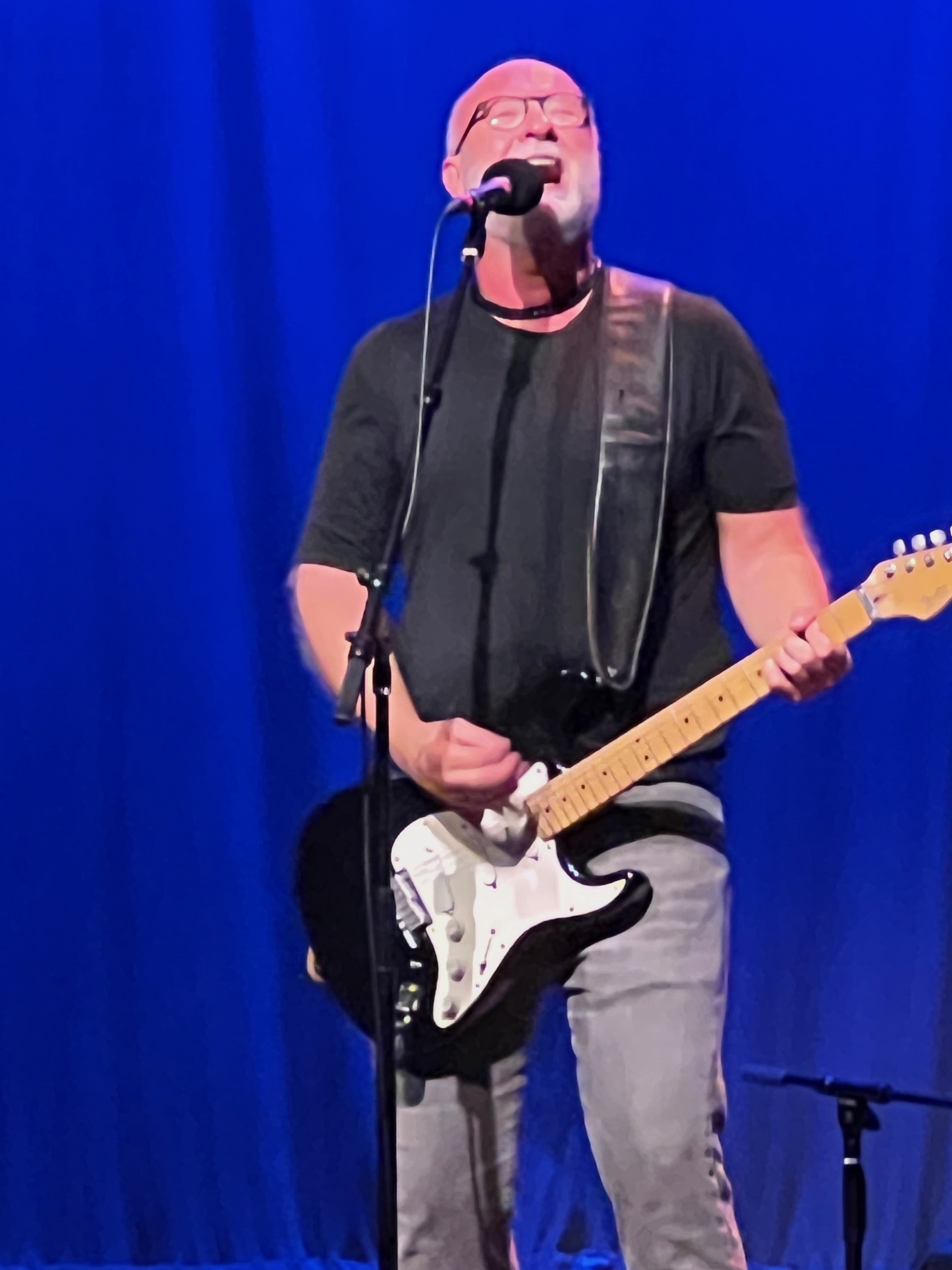
I stood at the back of the narrow theater and sang and wept, a needed release. It was like having Bob in my living room, singing directly to me songs that I love in a city that I love under much duress. Mould and his music were born of duress, created when he was finding his way musically, sexually, spiritually. On that warm October night, he channeled Tank Man, a solo soul standing up against all odds when called to do so, when needed by so many.
During the interview, Mould said he was “astonished by the lack of protest music” at this violent moment in American history, but his existing catalog is a pretty good start. In his memoir, Mould writes about taking a break from music in 1999 to write professional wrestling scripts for the sport he loved. That craft is called kayfabe, or presenting a staged event as real, the opposite of the blaring, raging truth that Mould delivers.
This evening of small talk and big music was necessary to recharge the batteries to fight fascism. Mid-set, Mould concurred that the evening felt different, remarking that it might have been the best he has ever played.
It was.
Visit the Old Town School of Folk Music for classes (“no experience necessary, no experience like it”) and music, including shows by Kurt Vile, Robert Plant, and Aimee Mann.
Support arts and culture journalism today. This work doesn't happen without your support. Contribute today and ensure we can continue to share the latest reviews, essays, and previews of the most anticipated arts and culture events across the city.
