This is the fourth and final article in our series, The Art of Survival. See links and info about the series at the end of this article.
Sexpert Dan Savage recalls, “During the darkest days of the AIDS crisis, we buried our friends in the morning, we protested in the afternoon, and we danced all night. The dance kept us in the fight because it was the dance we were fighting for.”
Sound familiar, especially in 2025 Chicago? Touching grass, practicing radical self-care (the deeper Audre Lorde variety, not merely mani/pedis), and participating in the arts as a practitioner or consumer is not only a balm for dystopia, but also why we must, and we will, never give up.
As civil rights activist Fannie Lou Hamer said, “None of us are free until all of us are free.” Artists share stories in diverse mediums so that we can walk in each other’s shoes to experience empathy and deepen understanding. The humanities make us human.
In real time, progressive humans around the Windy City are fighting anti-intellectual, pro-cruelty constitutional destruction, and the banality of evil, as well as the defunding of the arts, to save actual lives and to also plumb the human condition, preserve and expand the joys that make life worth living.
The Art of Survival Around Chicago
To document Chicago creatives’ responses to authoritarian goons, some of whom recently rappelled in the darkness from Black Hawk helicopters into our city to zip-tie toddlers in vans for hours, Third Coast Review, in partnership with the Chicago Independent Media Alliance, spoke with theater practitioners and bookstore owners to see how we’re fighting to protect our neighbors from actual monsters, in a series called “The Art of Survival.”
Chicago Theaters Won’t Back Down
Project co-creator and Third Coast’s theater editor Nancy Bishop said, “I’m very proud of our theater community as I learn what playmakers are saying and doing. Many are staging shows that make statements about Black lives and LGBTQ issues, often written, directed and performed by BIPOC and queer artists. Those choices seem to have been increasing in recent years and I don’t see any slowdown now.”
Theater publicist John Olson agrees that diversity is so baked into Chicago’s casting and hiring practices that it won’t be going away. “It’s common practice to have diversity in casts, production teams and administration staff,” he said. “It’s also become commonplace for companies to specify pronouns in communications.”
The storefront theaters that Olson works with aren’t getting many grants from federal sources, so he thinks they may be largely immune from that sort of pressure. “In fact, I think the relative independence of small nonprofit theaters engenders important voices of resistance, much more than the corporate media giants that have buckled under federal pressure,” he added. “And I don’t think Chicago audiences are going to be swayed by the federal government’s intimidation.”
Bishop also notes that theaters like The Artistic Home have pledged to “build a bigger road…and support the voices of our BIPOC and LBGTQ friends and communities.” Chicago Children’s Theatre continues its mission of access, inclusion and affordability to amplify creators and performers who reflect the heritage and diversities of Chicago’s neighborhoods.
Newish Gwydion Theatre Company also continues the grand Chicago tradition to “confront uncomfortable truths, question internalized bias and push the boundaries of the form.” Area theater artists are writing books too. The Second City’s Anne Libera’s Funnier: A New Theory for the Practice of Comedy, and Maggie Andersen’s memoir about co-founding the Gift Theatre, titled No Stars in Jefferson Park, are both being released on October 15 by Northwestern University Press. Andersen will also host an evening of storytelling and celebration at Steppenwolf Theatre on October 28.
Chicago Museums and Galleries Hold the Line Against Censorship
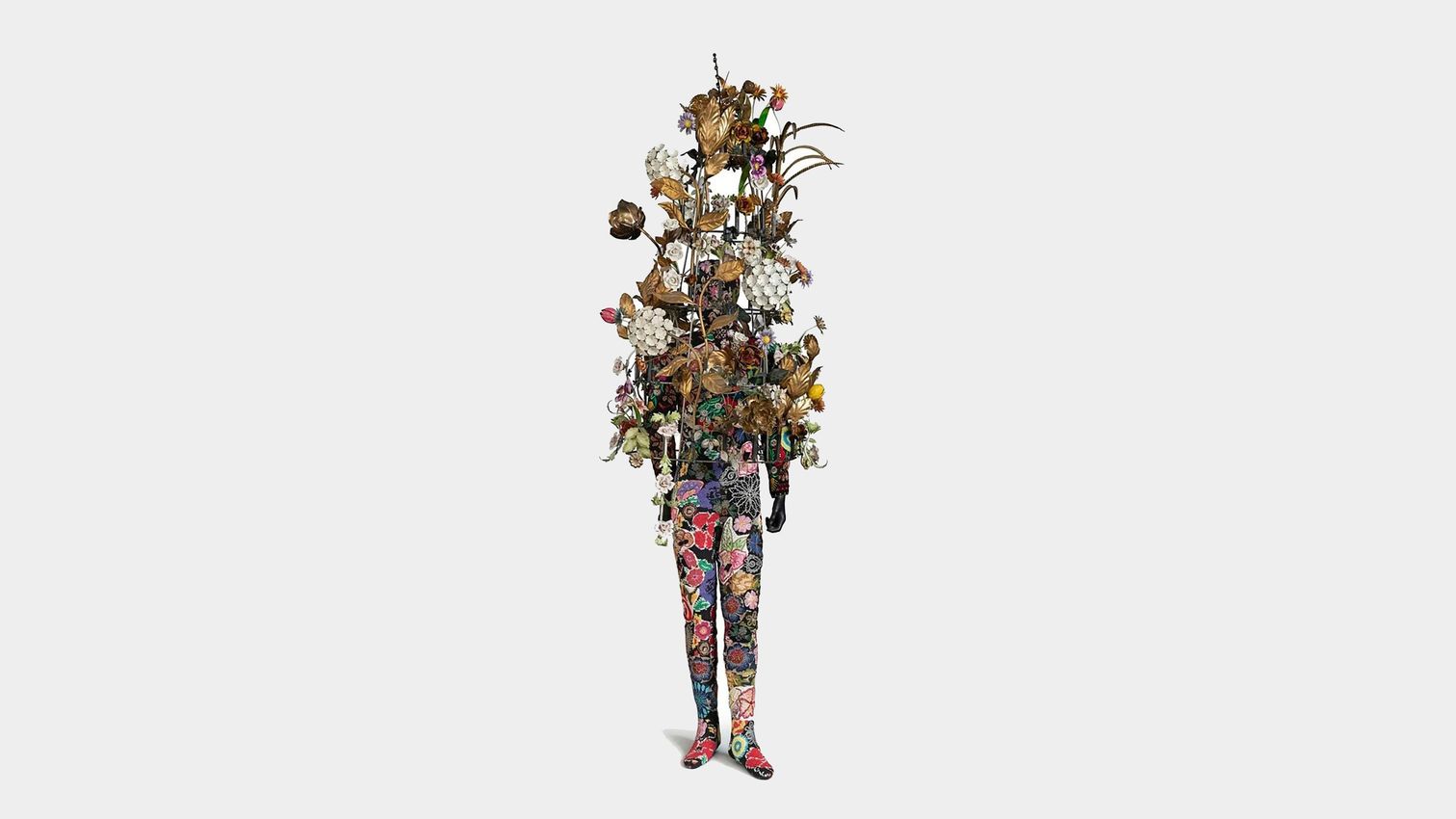
Bishop also oversees Chicago museum and art gallery coverage, and notes how those entities continue to showcase marginalized artists as well. The Museum of Contemporary Art offers City in a Garden: Queer Art and Activism in Chicago through May 31, 2026, and the nonprofit Wrightwood 659 space presented the exhibit The First Homosexuals: The Birth of a New Identity 1869-1939.
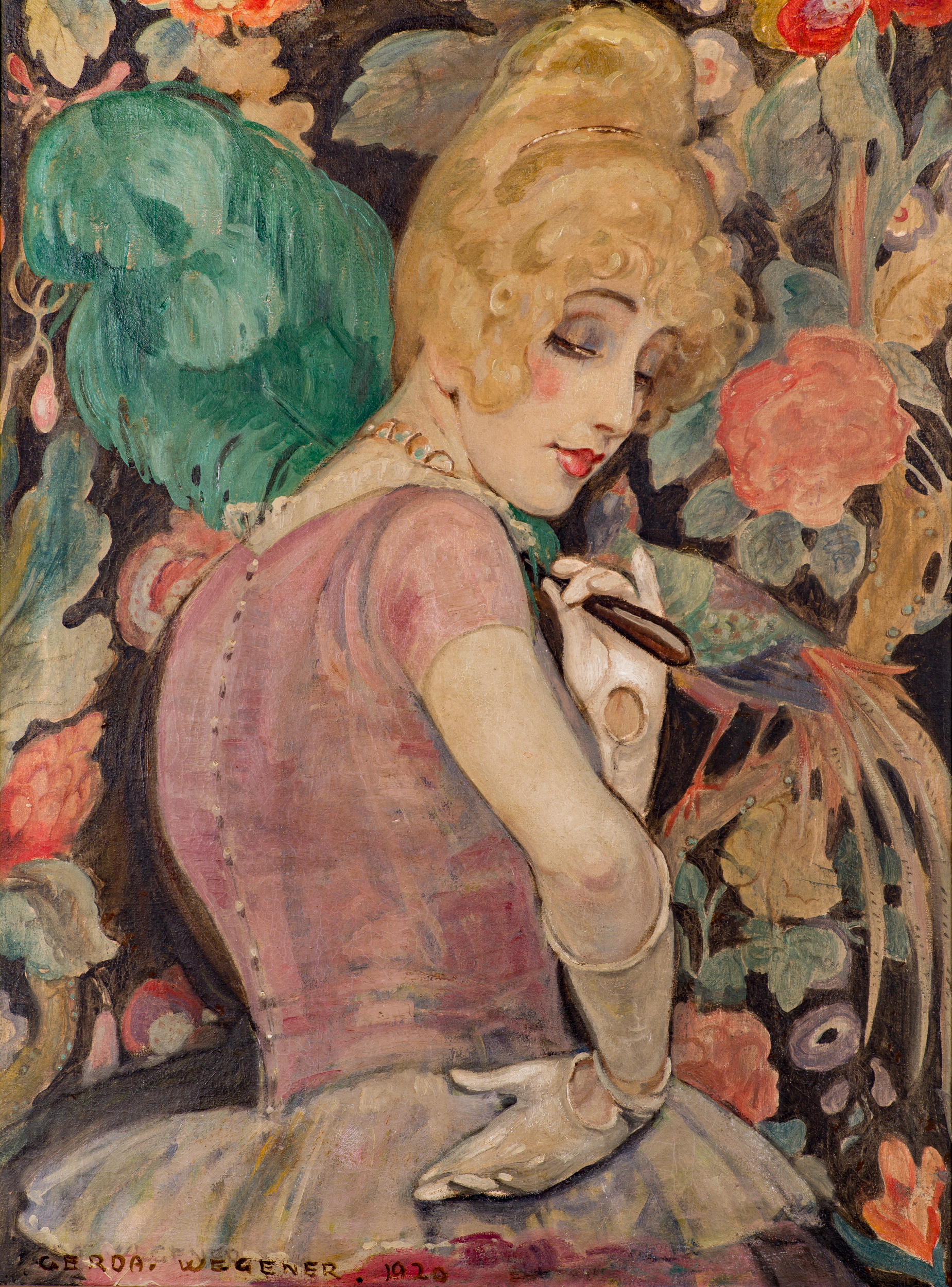
The co-curator of the Wrightwood 659 exhibit, Jonathan D. Katz, recalls that “we offered this show to almost every major museum around the country, and nobody bit. And we’ve offered it to them for free. We even offered to subsidize it, but there were no takers.” Except, of course, in Chicago.
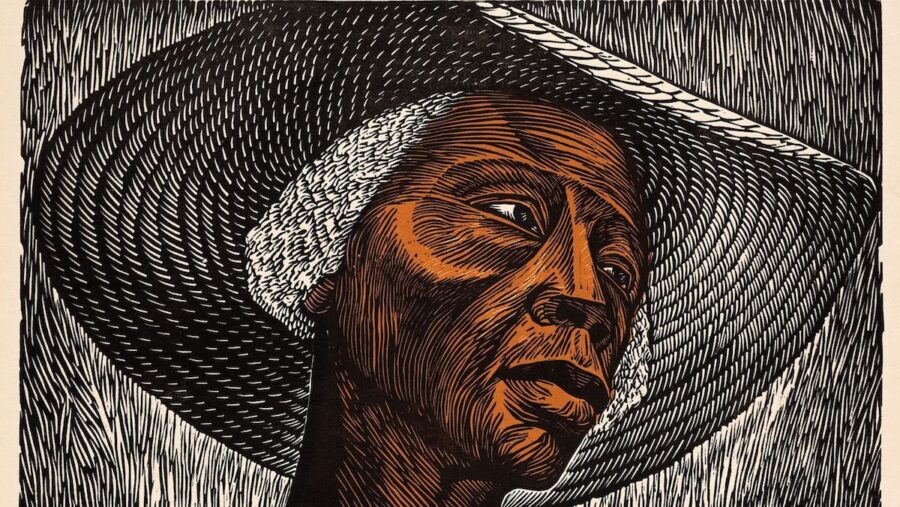
Melanated art is currently featured at the Art Institute with the vibrant and multifaceted exhibit Elizabeth Catlett: A Black Revolutionary Artist and All That Implies. The institution also offers free Spanish-language gallery tours on Fridays and Saturdays at 2pm from the Modern Wing’s Griffin Court by local artist docents like Georgina Valverde.
The Museum of Science and Industry has a Black Creativity initiative, and the Hyde Park Art Center hosts Mark Me, Too, featuring five artists of color inspired by Nobel laureate Toni Morrison’s Beloved: “But how will you know me? How will you know me? Mark me, too … Mark the mark on me, too.” That exhibit runs through December 14.
Even ARTnews.com, the 123-year-old, New York-based global art market publication, noted Chicago’s leadership in promoting creators, publishing “In an Uncertain Market, Chicago’s Art Scene Offers a Beacon of Hope for Artists and Galleries Alike” on October 3.
Music Powers Protest
Third Coast’s classical music editor Louis Harris reported that the troglodyte-in-chief’s attack on diversity, equity and inclusion programs nationwide defunded Equity Arc Pathways, which trains musicians from communities of color who are underrepresented in classical music. The EAP Wind Symphony was scheduled to perform with the US Marine Band in Washington, DC, when the DEI funding was pulled, and the concert was canceled. Illinois Governor and arts supporter JB Pritzker promoted the event on social media and encouraged others to help fund the event, and the concert took place on April 6 at Chicago’s Symphony Center.
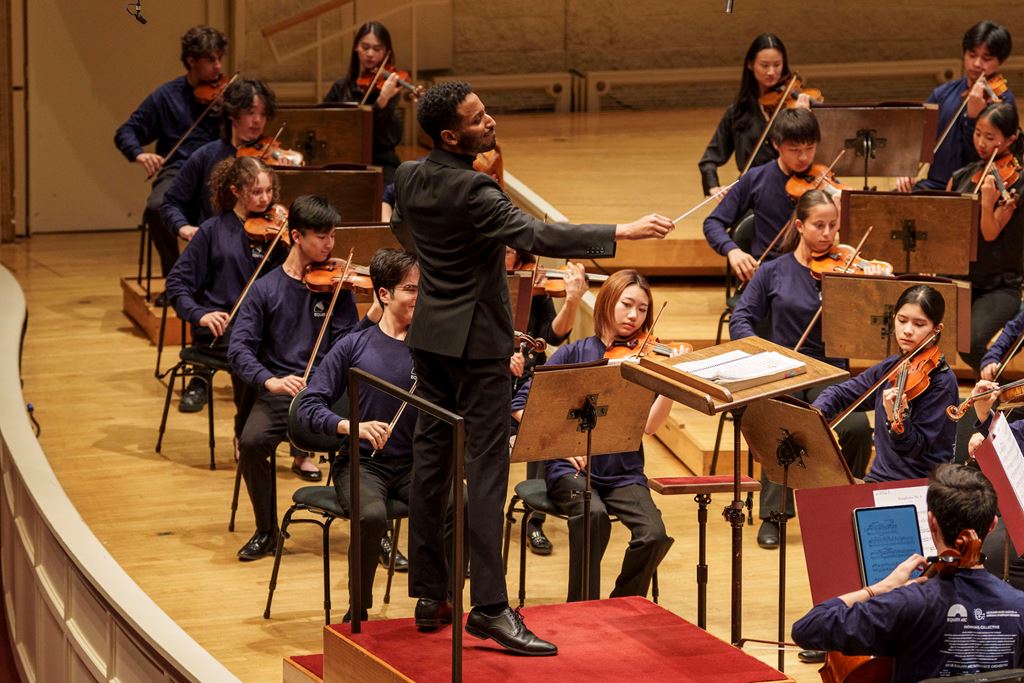
With the governor and MK Pritzker in the audience, EAP’s full 60-piece student orchestra performed with 20 members of the Chicago Symphony Orchestra and the Civic Orchestra of Chicago, playing Samuel Coleridge-Taylor’s “Ballade in A-Minor” and Tchaikovsky’s “Symphony No. 4 in F Minor.” “It was a lovely concert,” said Harris. “Kudos to Chicago and Illinois for stepping up to help this community in need.”

Chicago’s African American chamber ensemble D-Composed will collaborate with London-based composer, producer and drummer Paul The PSM with the concert “For The Plants” on October 25 at the company’s new home, The Land School, at 1353 E. 72nd St.
Chicago’s Robust Food Scene Reflects Community Diversity
Globetrotting chef Anthony Bourdain said, "There is nothing more political than food. Food is a reflection, maybe the most direct and obvious reflection, of who we are, where we come from, what we love, who eats in the country, who doesn't. The things that we eat are the direct reflection of our histories".
But nowadays, Third Coast’s new food editor Row Light said, “In so many ways, our voices are being drowned out in an overwhelming political climate. Dissenting in the public sphere is more dangerous than ever and speaking up for our communities may come at the cost of lost opportunities, retributive action, or worse.”
“Still, it remains vital that we use our voices for good—to create art and to build community through shared experiences,” Light continued. “In an era of cultural and ethnic persecution, we need cultural appreciation, and food has always been at the center of this exchange. So, we must continue to create and experiment, sharing the joy of a delicious meal, a curated atmosphere, and the company of new friends—across the city of Chicago and beyond."
Bourdain concurred: “Walk in someone else's shoes or at least eat their food. It's a plus for everybody.”
Creative Resistance NOW
At a recent Chicago Humanities Festival event, OG activist, academic and author Angela Davis said that we must confront finite disappointment with infinite hope, and that our courage must be collective. Davis spoke briefly before jazz flautist Nicole Mitchell’s Black Earth Ensemble performed a musical tribute to the icon with a spoken word concert called Radical Transformation. The lively and thoughtful performance by the six-piece ensemble was produced by the Visualizing Abolition project, which fosters art, research and education to imagine and build a world without prisons.
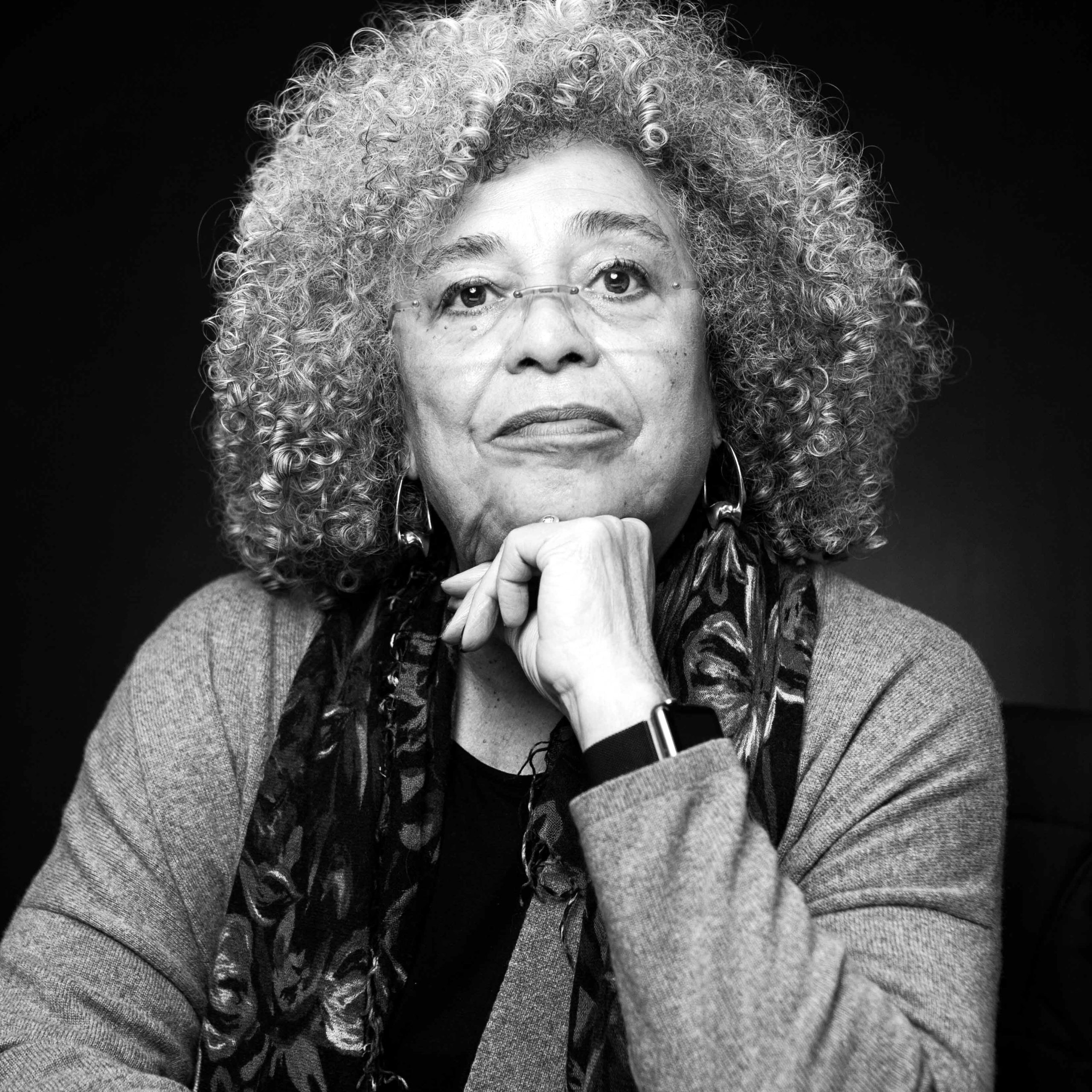
In her short preshow interview and recorded pieces layered over the live music, Davis asks us to consider what it would be like to inhabit a different world. “Do something about it,” she said. “You have to believe that it’s possible for the world to be better.” Presenting her wisdom through an artistic medium like music makes the hard work of justice more pleasing, meaningful and accessible. The humanities make challenges bearable and inject illumination into the struggle.
Fight Fascism Like a Chicagoan
Channel your own resistance creativity by making signs, writing chants and showing up to the next peaceful protest, Hands Off Chicago/No Kings! Rally and March on Saturday, October 18, 12 noon, Butler Field at Grant Park, East Jackson Drive at South Columbus Drive.
Artists and audiences alike bear witness to history, interpret the consequences, and aspire toward that long arc of justice. The arts ask us to imagine a better world, and then “the act of believing makes it possible,” Davis said. #LFG

The Art of Survival series, researched and written by Karin McKie, has been posted over the last couple of months. We previewed the series with this article. We published our article about survival tactics voiced by theatermakers and then discussed censorship and content restriction issues with bookstore mavens. Please let us know if you would like PDF copies of these articles, including this final one, by emailing us. Our thanks to the Chicago Independent Media Alliance for funding this work.
