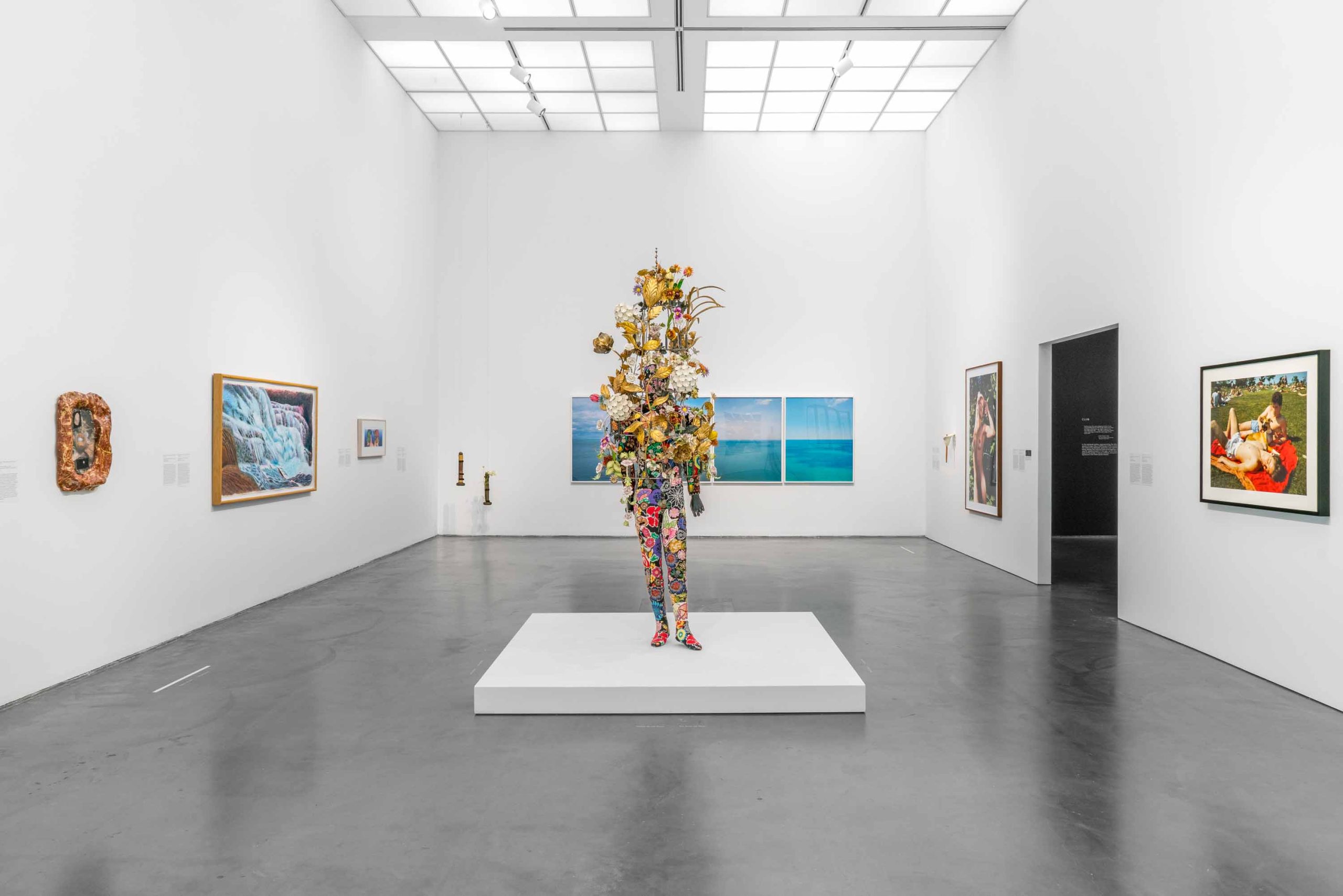
The exhibition City in a Garden: Art and Activism in Chicago is currently on view at the Museum of Contemporary Art Chicago (MCA). The show is an archive, a meditation, a love letter conveying Chicago’s deep roots in queer activism and the art that is so central to the city’s ongoing fight for the queer community. Divided into five categories: Nature / Club / Street / Cinema / Utopia, the curation by assistant curator Jack Schneider and curatorial assistant Korina Hernandez lends to a visceral narrative that unfolds seamlessly.
We interviewed Schneider and Hernandez about the exhibition and its curation. “The sections of the exhibition are loosely playing on the suggestion of geography that comes from the title,” said Schneider. “Rather than do a chronological display like '80s, '90s, 2000s and beyond, I thought what if it were organized around areas and spheres of life in the city.”
Visitors entering the first gallery, Nature, are greeted by a Nick Cave Soundsuit from 2008, the mannequin as a messenger of nature and of Chicago’s roots in queer activism and queer art. The figure comprises opulent flowers and golden floral shapes displaying a reverence to nature, the work’s dimension and texture inviting viewers to thoughtfully saunter through the galleries while setting the emotional tone that will accompany viewers throughout the exhibition. Surrounding this messenger of nature, beauty and truth are works by Robert Lostutter, Mary Stoppert and others. As these works differ in media from painting to sculpture and photography, this first gallery alerts viewers to the multi-media journey that will continue throughout the show.
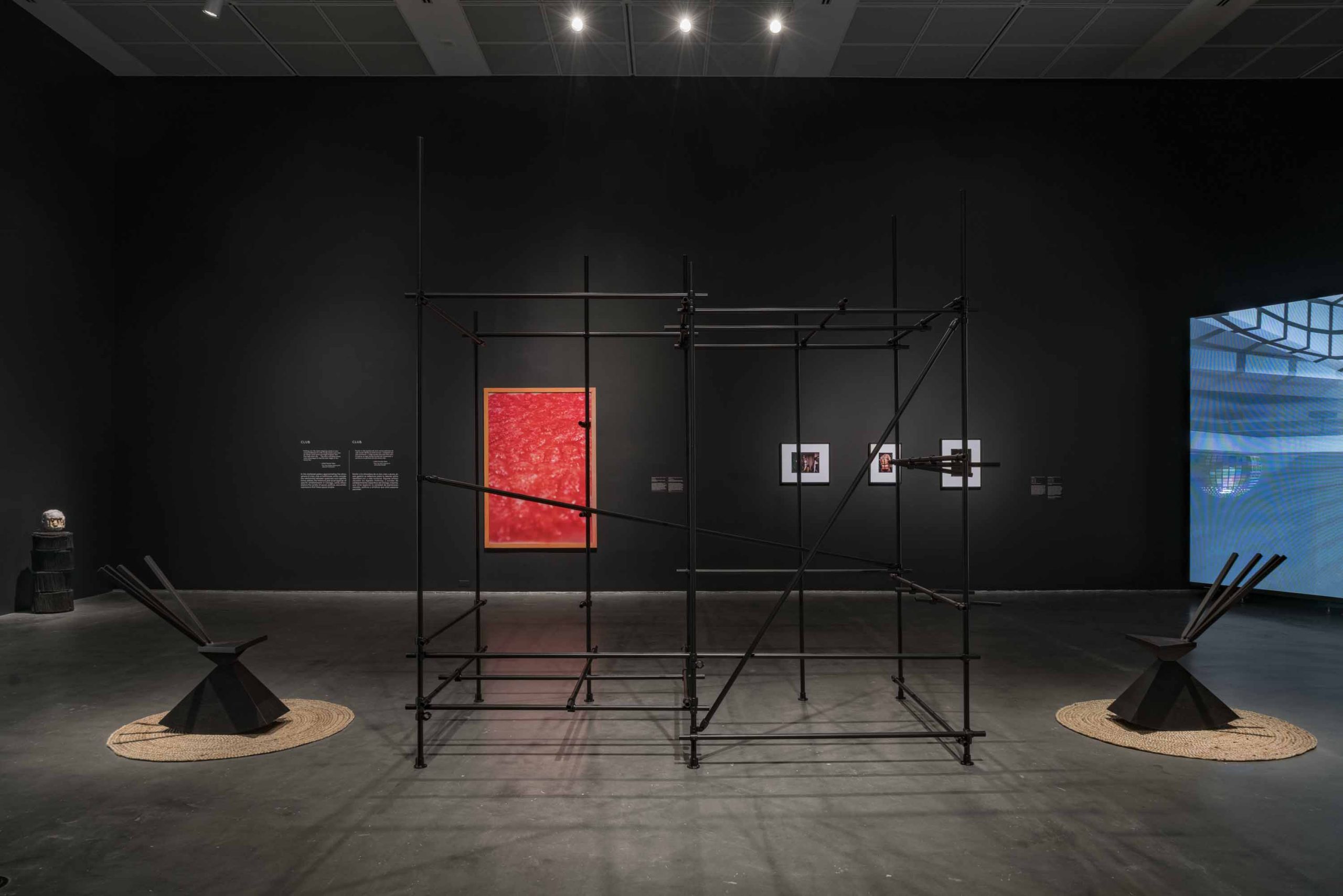
The next gallery is titled Club, taking viewers from the natural world into the interiors of the queer spaces of clubs, bars and bathhouses. Brendan Fernandes’ installation, The Rite from 2018 pays homage to Igor Stravinsky’s 1913 ballet The Rite of Spring. It stands almost as an anchor to the gallery and will come to life in a final performance on Tuesday, March 3, 2026, at 3pm and 7pm. Performances in July and September of this year ushered in the three-performance events so the March 2026 performance is one not to be missed. Surrounding the scaffolding made from white oak stained into a dark, shadowy color points to a purity of life within a dimly lit space much like the queer clubs and bars the gallery celebrates.
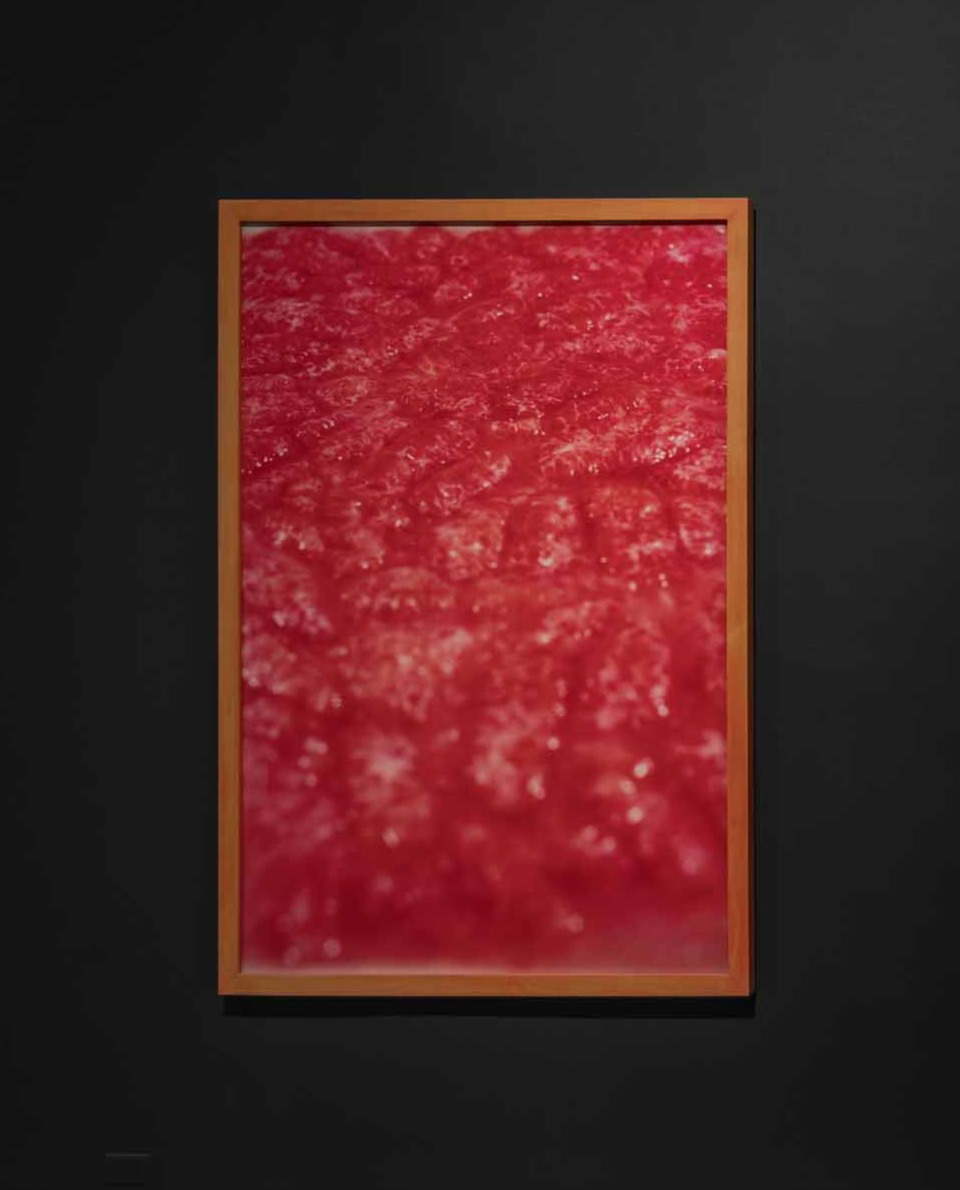
Jeanne Dunning’s The Pink, a silver dye-bleach print mounted to plexiglass adds a burst of color to the gallery’s dark, cavernous atmosphere whispering to Roger Brown’s painting, Peach Light, across the room. It continues the visceral feel to the exhibition as well as a meditation on the body within a space lit by the peach-pink lighting of a queer bar. Dunning works deftly with extreme closeups and this is no exception, often using parts of the body and fruits to create a dizzying and beautiful portrait of identity. In The Pink this is accomplished with the flesh of a grapefruit.
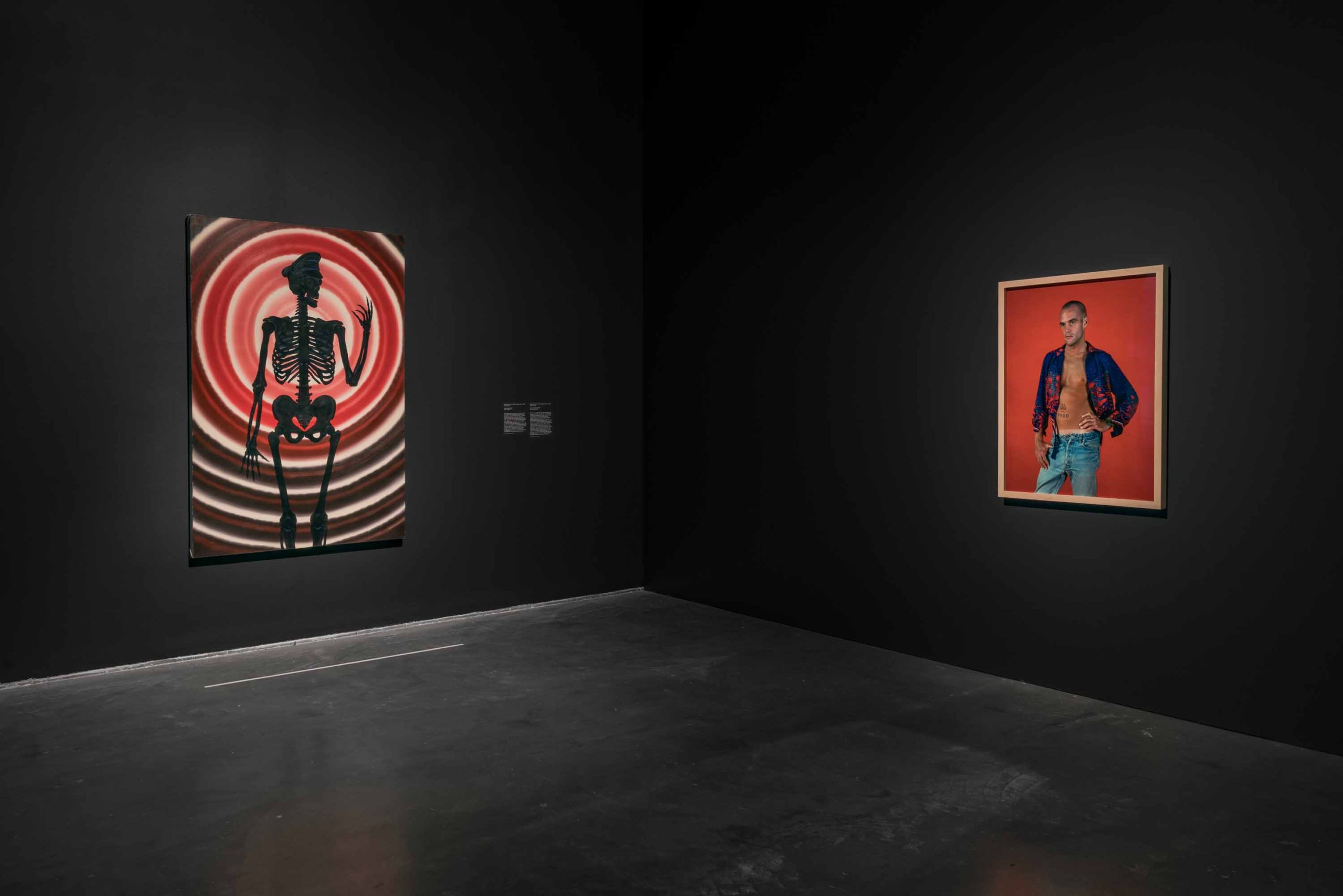
Roger Brown’s Peach Light depicts a skeleton in a leather cap, nodding to the leather culture within the queer community. The figure appears to be emerging from the peach light, lighting found specifically in the leather bar Gold Coast in this work. The peach light was meant to veil the visual effects from HIV/AIDS during the height of the epidemic. Many of the works in this gallery reflect on the body contained within a queer space. There is a sense of rebellion in these works as well, a reclaiming of the self and the body, an unabashed expression of identity leading visitors into the next gallery titled Street.
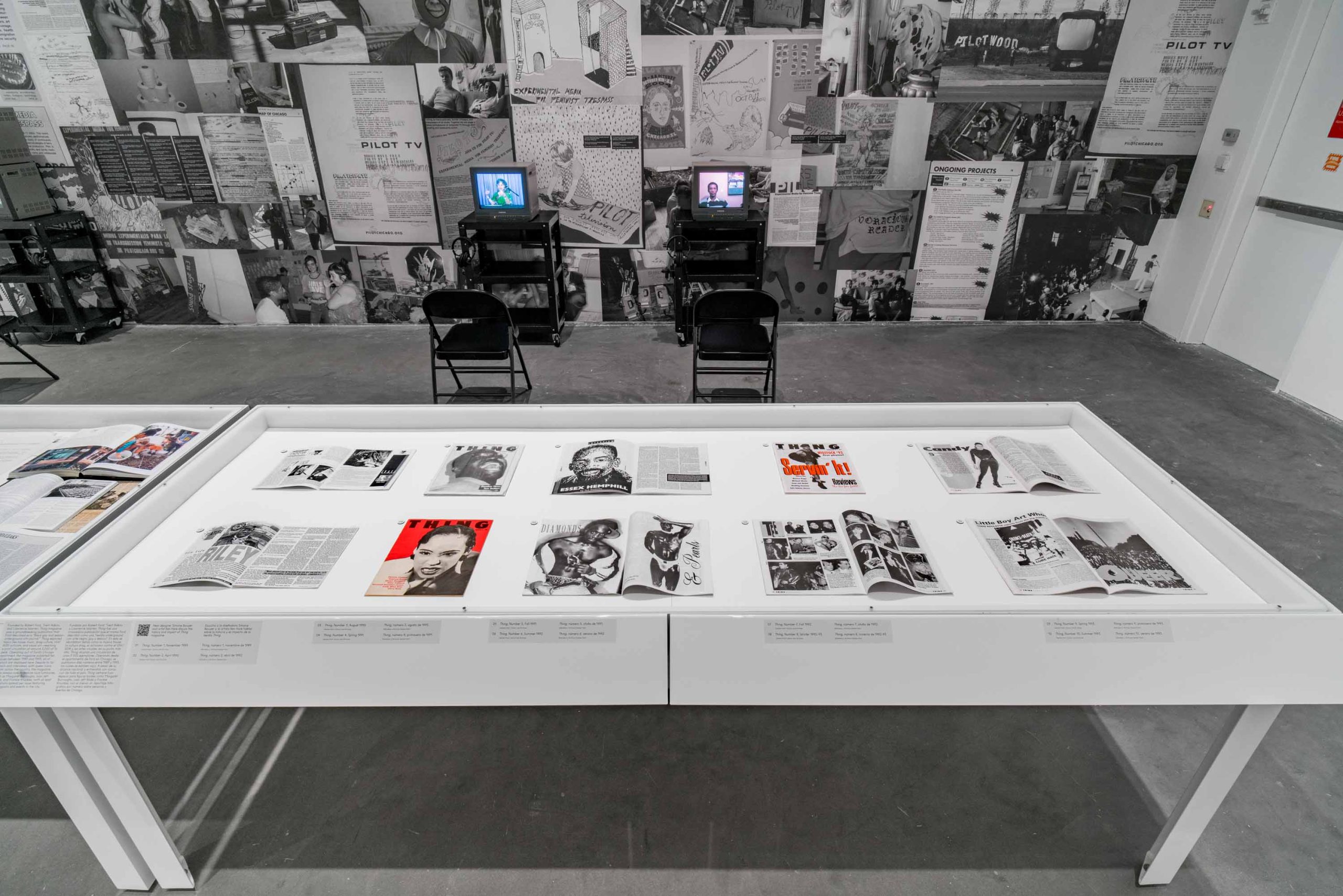
Here we encounter Chicago’s rich history in queer activism with works created in a range of media depicting and celebrating this history. The gallery contains a large range of media and panoramic moments that speak to the depth and breadth of the activism that still runs through the streets and through the queer community of the city. Schneider speaks to the intent of not only this gallery, with art directly archiving activism, but as another anchor midway through the show. “There are unfortunate historical parallels between the '80s and the '90s and the 2020s. It can be productive putting this dialogue in context and (it) may be an inspiration for how artists working today can respond to the present oppressions of the Trump administration’s anti-queer and particularly anti-trans political climate.”

The final two galleries—Cinema and Utopia—have a kind of partnership bringing the viewer back into interior spaces. From the interiors of queer films in the intimate space of a theater to intimate domestic spaces, the thematic narrative of queer art and activism in Chicago brings the exhibition together in a final emotional moment, inviting viewers to continue that narrative long after leaving the show. “The thematic groupings rather than chronological allows for these intergenerational dialogues to occur,” Schneider told us.
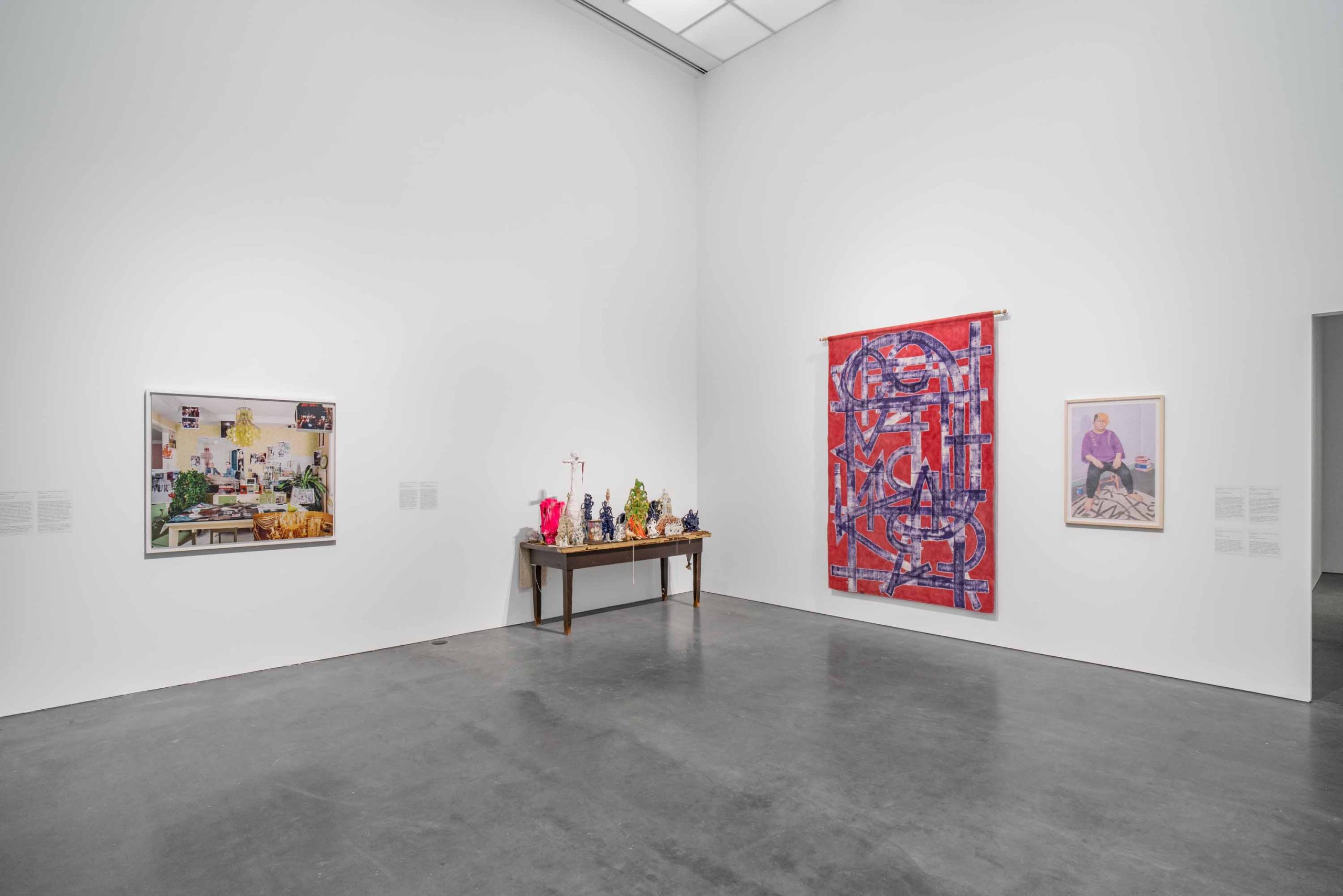
While the exhibition could only feature a fragment of queer art, this sampling shows viewers the deep history of queer art and activism so much a part of Chicago’s tapestry containing work by over 30 artists, collectives, and activist groups in Chicago. It is always an essential history to spotlight but if there was ever a time to tell this ongoing story, it is now.
City in a Garden: Queer Art and Activism in Chicago is on view at the Museum of Contemporary Art (MCAChicago.org), 220 E. Chicago Ave., through May 31, 2026.
All photos courtesy MCA Chicago.
Support arts and culture journalism today. This work doesn't happen without your support. Contribute today and ensure we can continue to share the latest reviews, essays, and previews of the most anticipated arts and culture events across the city.
